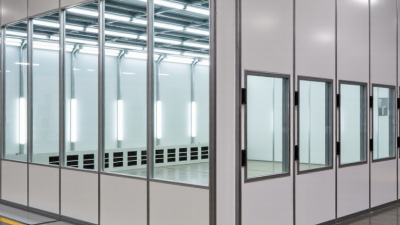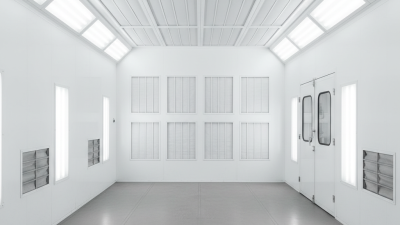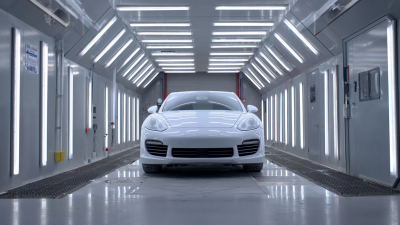


Choosing among the 2026 top types of spray booth for sale is not simply a price comparison. It is a production decision. A small furniture shop may need an open-face booth with flexible access. An automotive refinisher may require a downdraft or side-draft booth for cleaner finishes. Industrial manufacturers often prefer a modular booth, especially when product sizes change. Each design moves air differently. Each one also demands careful planning around filtration, lighting, fire protection, maintenance, and local workplace requirements.
Details matter.
Industry consultant Mike McGowan offers a practical rule: “The best booth matches the work, not the wish list.” That idea deserves attention. A glossy brochure cannot show how quickly filters load with overspray. It cannot reveal whether an operator can reach a rear panel comfortably. Nor can it predict future production pressure. A booth that seems affordable today may become restrictive after six months. I may favor downdraft systems for demanding automotive work, but that preference is not universal. Their installation and operating costs can challenge smaller businesses. Crossdraft models may provide a more realistic starting point, although finish quality can vary with workflow and airflow control.
This guide compares the leading spray booth for sale categories through practical experience, technical performance, and long-term value. It considers booth layout, airflow direction, energy use, service access, and application needs. The “best” option may be less impressive than expected. It should be safe, maintainable, properly engineered, and suitable for the materials being sprayed. That is where an honest decision begins.
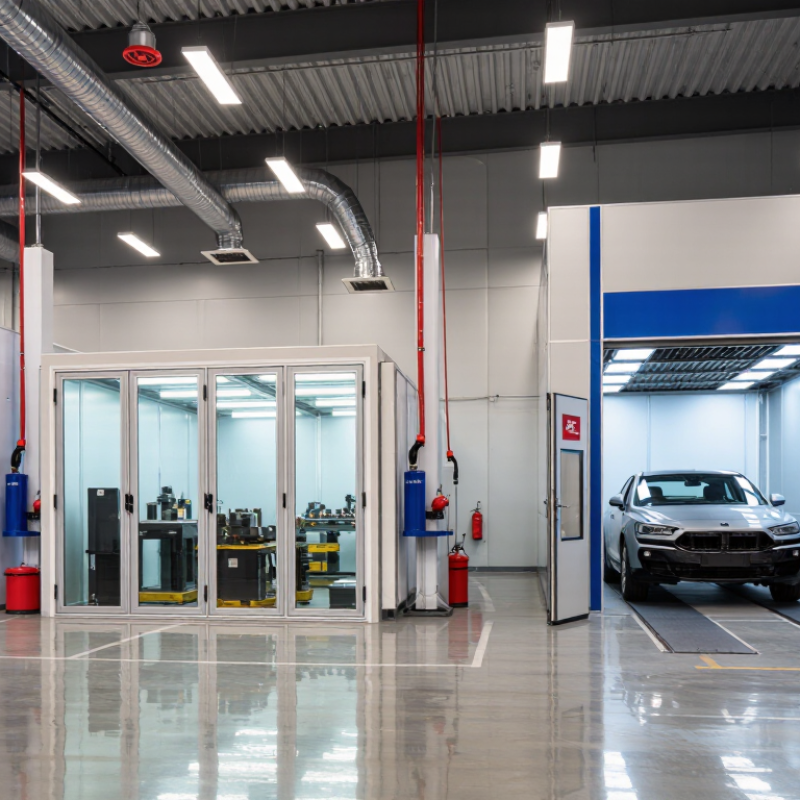
A spray booth is an enclosed or semi-enclosed workspace for controlled coating application. It captures overspray, filters airborne particles, and exhausts contaminated air safely. The process is simple in principle. Fans pull air through the booth, across the workpiece, and into filters or an exhaust system. Clean, consistent airflow protects workers and improves finish quality.
Common types include crossdraft, downdraft, side-draft, and open-face booths. Crossdraft models move air horizontally and usually cost less. Downdraft booths pull air downward, reducing surface contamination around detailed work.
OSHA 1910.107 requires a minimum average airflow of 100 feet per minute for many conventional spray booths. NFPA 33 also addresses booth construction, ventilation, electrical equipment, and fire protection. NIOSH publications repeatedly identify airborne coatings and solvents as respiratory hazards. These requirements should guide every purchase, not just the booth price.
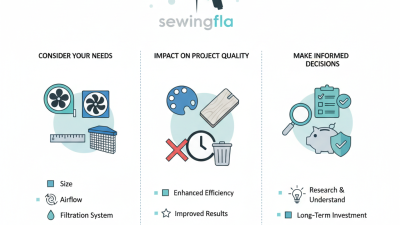
Tips: Check airflow with a calibrated instrument, not by feel. Replace loaded filters promptly. Confirm exhaust discharge, make-up air, grounding, and cleaning access before installation. A booth can appear powerful while ventilation remains uneven. That is an uncomfortable but common mistake. Consider booth size, coating type, production volume, and local approval requirements. A smaller booth may waste energy when oversized parts enter daily. A cheaper design may also create higher filter and maintenance costs.
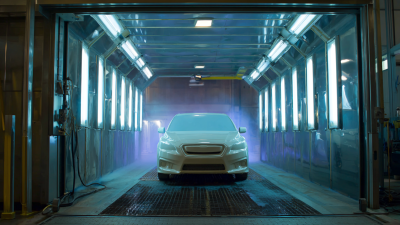
In 2026, buyers can choose from several spray booth types for different coating jobs. Crossdraft booths move filtered air from the front toward the rear exhaust wall. They are practical for vehicle panels, furniture, and general metalwork. Their design is usually simpler and more affordable. However, airflow may pass across the operator’s breathing zone.
Downdraft booths pull air from the ceiling toward floor-level exhaust channels. This pattern carries overspray downward and can produce a cleaner finish on large parts. They need deeper foundations, stronger fans, and more installation space. Semi-downdraft booths combine ceiling supply air with rear-wall exhaust. They often balance finish quality, cost, and construction effort. Side-draft booths move air horizontally toward side filters. They suit workshops with limited floor depth, although filter loading can become uneven.
Open-face booths work well for smaller components and short production runs. Enclosed booths provide better containment and more controlled airflow. Powder coating booths usually use recovery filters and dedicated collection systems, unlike many liquid-paint booths. The coating material matters.
From practical installation experience, booth selection should begin with part size, coating volume, drying needs, and available utilities. Check airflow measurements, filter access, lighting, noise, and maintenance space. A booth that fits the budget may still perform poorly if the exhaust path is restricted. That mistake is common. Confirm electrical safety, fire protection, ventilation, and local technical requirements with qualified professionals before purchase. Real workshop conditions can expose weaknesses that a sales drawing does not show.
Choosing a spray booth for sale starts with the workpiece, not the catalog photograph. Measure the longest panel, operator clearance, door swing, and future fixtures. A booth that fits today may restrict tomorrow’s handling. Leave service space. OSHA 29 CFR 1910.94(c) specifies at least 100 feet per minute across many open booth faces. That figure is a baseline, not proof of effective capture.
Design changes the airflow path. Crossdraft booths suit long parts, while downdraft designs pull overspray below the operator and may require deeper foundations. Side-draft layouts can reduce installation work, but filters may load unevenly. NFPA 33 connects booth construction, ventilation, electrical equipment, and fire protection. Local authorities still determine acceptance. EPA AP-42 guidance also shows why coating emissions depend on transfer efficiency and capture conditions, not booth size alone.
Do not compare fan horsepower alone. Request airflow at the face, static pressure, filter-loading data, noise levels, and exhaust performance under real operating conditions. Energy demand can rise as filters become restricted. U.S. Department of Energy fan-system guidance recommends evaluating power at actual airflow and pressure, not only motor ratings. I have seen a visually impressive booth perform poorly after one filter change. That experience makes me cautious. Ask for clean-filter and loaded-filter test results. Price matters, but repeatable capture matters more.
| Spray Booth Type | Typical Interior Size | Airflow Design | Typical Airflow Range | Filtration Arrangement | Best-Suited Work | Main Advantages | Main Limitations | Overall Suitability |
|---|---|---|---|---|---|---|---|---|
| Crossdraft Booth | Approx. 7–14 m wide × 6–12 m deep × 3–4 m high (23–46 × 20–39 × 10–13 ft) |
Air moves horizontally from filtered intake doors or walls toward an exhaust plenum. | Approximately 0.25–0.50 m/s face velocity (50–100 fpm), depending on design. |
Intake filters at the front; exhaust filters or dry-filter banks at the rear. | Automotive refinishing, large panels, general industrial painting. | Lower initial cost, simple construction, easy loading, and good flexibility for large objects. | Air travels across the workpiece, so finish uniformity can be lower than in a downdraft design. | Best value for general-purpose work |
| Downdraft Booth | Approx. 7–14 m wide × 6–12 m deep × 3–4 m high (23–46 × 20–39 × 10–13 ft) |
Filtered air flows vertically from the ceiling toward a grated floor and exhaust pit or basement. | Approximately 0.25–0.50 m/s vertical air velocity (50–100 fpm), subject to engineering calculations. |
Full ceiling intake filters with floor exhaust filters, pits, or trenches. | High-quality automotive, aerospace, heavy equipment, and precision finishing. | Excellent overspray removal, clean finish quality, and reduced turbulence around the workpiece. | Highest installation cost; usually requires a suitable floor pit, raised floor, or exhaust trench. | Best for premium finish quality |
| Semi-Downdraft Booth | Approx. 6–12 m wide × 6–10 m deep × 3–4 m high (20–39 × 20–33 × 10–13 ft) |
Air enters through the front ceiling area and moves downward and rearward toward exhaust filters. | Approximately 0.20–0.40 m/s at the working opening (40–80 fpm), depending on booth balance. |
Ceiling intake filters combined with rear-wall exhaust filters. | Vehicle refinishing, medium-sized components, and workshops with limited pit space. | Better finish control than a crossdraft booth without the full cost of a floor-exhaust system. | Airflow is less uniform than a full downdraft system, especially near the rear of the booth. | Best balance of performance and cost |
| Side-Downdraft Booth | Approx. 7–14 m wide × 6–12 m deep × 3–4 m high (23–46 × 20–39 × 10–13 ft) |
Air enters through the ceiling and moves downward before exhausting through side-wall plenums. | Approximately 0.25–0.50 m/s in the working zone (50–100 fpm), based on booth layout. |
Ceiling intake filters with exhaust filters located along the lower side walls. | Automotive and industrial applications where a full pit is impractical. | Good finish quality, no full basement pit required, and easier retrofit potential than a traditional downdraft booth. | Requires adequate side clearance and careful airflow balancing around large parts. | Best for retrofit projects |
| Open-Face Booth | Approx. 1.5–6 m wide × 1–3 m deep × 2–3 m high (5–20 × 3–10 × 7–10 ft) |
Air is drawn through the open front toward a filtered rear exhaust plenum. | Often designed around approximately 0.50–0.75 m/s at the opening (100–150 fpm). |
Replaceable exhaust filter pads or cartridges at the rear wall. | Small parts, furniture, cabinets, touch-up work, and intermittent production. | Compact footprint, relatively low purchase cost, and easy access to the work area. | Not suitable for large enclosed objects or applications requiring highly controlled airflow. | Best for small parts and limited space |
| Portable or Modular Booth | Approx. 1.5–6 m wide × 1.5–6 m deep × 2–3 m high (5–20 × 5–20 × 7–10 ft) |
Panelized enclosure with configurable crossdraft, side-draft, or filtered exhaust airflow. | Commonly approximately 0.25–0.75 m/s (50–150 fpm), depending on configuration. |
Panel filters, intake filters, and replaceable exhaust filter media. | Seasonal production, rental facilities, workshops, and businesses expecting future expansion. | Flexible installation, scalable dimensions, and easier relocation than fixed masonry systems. | Seams, joints, and modular panels require regular inspection for leakage and contamination buildup. | Best for flexibility and expansion |
Choosing the best spray booth depends on the work, coating, object size, and available ventilation. A booth is not a universal tool.
For vehicle panels and large machinery, a downdraft booth can pull overspray downward and leave smoother finishes. It needs enough floor space and strong exhaust capacity.
A crossdraft booth moves air from the front toward rear filters. It often costs less and suits general repair work, though particles may travel across wet surfaces.
For cabinets, doors, and furniture, a side-draft booth can provide practical airflow around long, narrow parts. Operators should still check whether the filter area matches daily production.
Small components need a different approach. A compact enclosed booth with controlled airflow may suit metal parts, equipment housings, or repeated color changes.
Water-based coatings can require humidity control and careful drying. Solvent-based coatings demand correctly rated electrical components, suitable filtration, and professionally designed exhaust systems.
Never judge a booth by fan power alone.
Air velocity, filter loading, noise, cleaning access, and replacement costs matter just as much. A quieter booth may improve concentration during long shifts. That detail is easy to overlook.
Before buying, measure the largest workpiece, not the average one. Leave room for safe movement and lighting. Confirm the design with a qualified ventilation professional and applicable local requirements. I would also recheck maintenance access; a booth that is difficult to clean may perform poorly sooner than expected.
2026 Top Types of Spray Booth for Sale: Which Is Best?
Choosing a spray booth requires more than comparing prices. Crossdraft booths are usually simpler to install, while downdraft booths can control overspray more effectively around large vehicle surfaces. Side-draft designs may reduce building modifications, but their airflow performance depends heavily on correct filter placement. Water-wash booths suit high-production environments, although they require careful water treatment and sludge maintenance.
Safety must guide the purchase. OSHA 29 CFR 1910.107 specifies a minimum average air velocity of 100 feet per minute across many open spray-booth faces. NFPA 33, 2024 Edition, also addresses booth construction, ignition sources, electrical systems, and exhaust arrangements. These figures are not decorative specifications. A weak fan, blocked filter, or poorly balanced duct can create dangerous vapor conditions. The U.S. EPA’s National Emissions Inventory also shows that surface-coating activities remain significant sources of volatile organic compound emissions. Compliance should be checked before installation, not after an inspection.
Tips: Request airflow testing, electrical documentation, and filter-loading records. Leave access space around fans and ducts. Inspect filters daily during heavy use, and clean exhaust areas on a written schedule. Experienced installers often recommend commissioning with a calibrated anemometer. It takes minutes. Skipping it can be costly. A lower-priced booth may appear efficient on paper, but that assumption can fail when heating, ventilation, and maintenance costs accumulate. Even a well-designed booth needs human discipline; that is the part many buyers underestimate.
Comparative planning scores for common spray booth configurations. Higher scores indicate a more favorable fit for the selected factor; actual requirements depend on the coating, equipment, local regulations, fire protection, and facility design.
Downdraft and side-draft designs generally provide strong overspray capture, while crossdraft booths are often simpler to install. Water-wash booths can reduce dry-filter replacement but require water-system management and wastewater controls. Final selection should be verified against applicable OSHA, NFPA, environmental, and local building requirements.
Hein Minnie
Cell nr: +27 (0) 82 564 6501
Email: sale@thecirclemachine.com
Hein Minnie Jnr
Cell nr: +27 (0) 84 284 7234
Email: sale@thecirclemachine.com
Address:
10 Apsey Street,
Heidelberg,
Gauteng,
1441
Bendet Engineering Services (PTY) LTD was established in 1987. Our team of engineers and draughtsman are ready to deliver a complete turnkey solution, from the design phase to commissioning. A dedicated team that consists of electrical, mechanical and industrial engineers, we are able to offer a comprehensive service to our clients.