2026 Top Battery Server Rack Suppliers and Prices
Choosing a Battery Server Rack in 2026 requires more than comparing prices on a supplier spreadsheet. Data centers need dependable backup power, predictable maintenance, and safe operation in limited floor space. A rack may look impressive, yet weak thermal control or unclear battery data can create expensive surprises.
Battery pioneer M. Stanley Whittingham has said, “The lithium battery is a very complex device.” That observation remains practical for server infrastructure. Chemistry, rack voltage, usable capacity, battery management systems, cooling design, and installation conditions all influence real performance. This guide examines leading Battery Server Rack suppliers, estimated 2026 prices, product specifications, warranty terms, and service capabilities.
Prices may range widely. A compact lithium iron phosphate rack could cost several thousand dollars, while a high-capacity commercial system may exceed tens of thousands. Installation, monitoring software, shipping, and replacement modules can change the final budget. Watch the hidden costs.
Supplier experience also matters. Established manufacturers usually provide clearer test records, documented cycle-life results, and stronger technical support. However, a famous brand is not automatically the best fit. Smaller suppliers may offer customization, shorter lead times, or better pricing, but their service networks require closer examination.
This comparison uses practical purchasing criteria rather than headline capacity alone. It considers usable energy, power output, safety features, operating temperature, warranty coverage, and integration with uninterruptible power systems. Some figures remain difficult to verify across suppliers. That limitation deserves honesty. Buyers should confirm every specification, request current quotations, and test compatibility before committing to a large deployment.
Battery Server Racks: Definition, Functions, and Main Applications
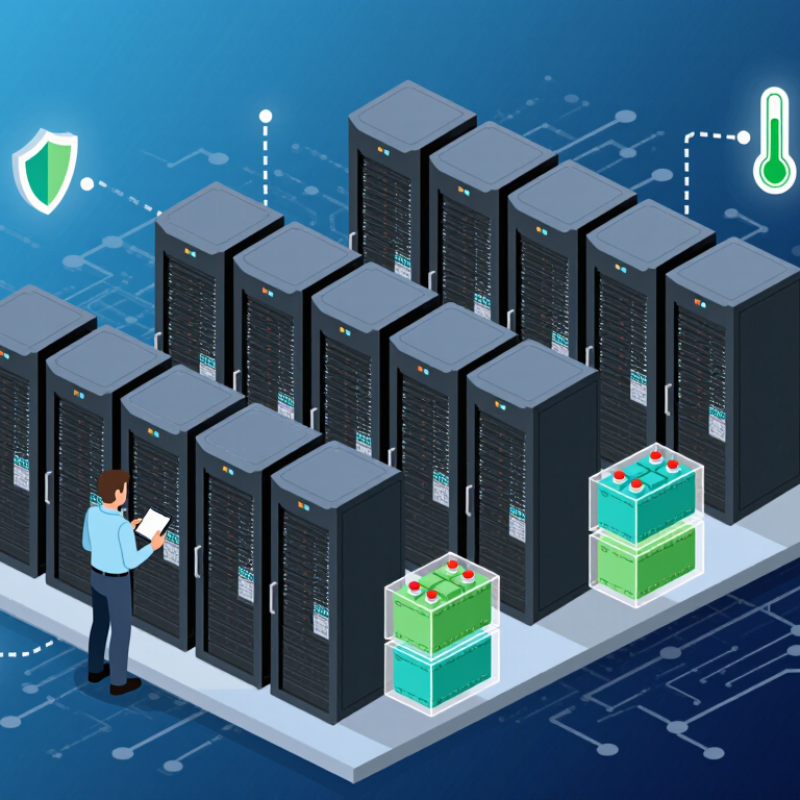
Battery server racks are enclosed systems that combine battery modules, monitoring devices, protection equipment, and cabinet hardware. They provide backup power for servers when the utility supply fails. A typical rack includes battery shelves, busbars, circuit protection, ventilation, and a battery management system. Some designs use lithium iron phosphate cells, while others use lead-acid batteries. Each choice affects weight, service life, safety, and price.
In practical installations, the rack works with an uninterruptible power supply and supports controlled shutdown or continuous operation. It may serve data centers, network rooms, telecommunications sites, industrial control rooms, and edge computing facilities. Larger cabinets can support several hours of runtime, but actual performance depends on server load and temperature. Sizing is where many plans fail. A rack may look adequate on paper, yet lose useful runtime during peak demand.
Tips: Check voltage, usable capacity, discharge rate, rack dimensions, and connector compatibility before ordering. Ask suppliers for test records, warranty terms, maintenance guidance, and replacement procedures. Confirm airflow and floor loading. Measure twice.
Prices vary with capacity, battery chemistry, monitoring functions, enclosure quality, and installation requirements. A low purchase price can hide expensive battery replacement or weak thermal control. In my experience, transparent specifications are more valuable than a polished quotation. Still, field conditions can expose assumptions that laboratory tests miss. Leave expansion space, document every connection, and review the design after real operating data becomes available.
Key Specifications for Comparing Battery Server Rack Suppliers
2026 Top Battery Server Rack Suppliers and Prices
Comparing battery server rack suppliers requires more than checking the quoted price. Start with usable capacity, nominal voltage, battery chemistry, and rack dimensions. These specifications must match the server room’s load profile and cabinet space. Ask whether the stated capacity reflects real usable energy or laboratory conditions.
Experienced buyers should examine discharge performance, cycle life, depth of discharge, and recharge time. Shorter warranty periods may indicate higher replacement risk. Review the battery management system carefully. It should provide cell balancing, temperature monitoring, overcurrent protection, and clear alarm communication. Test reports matter. Datasheets can look impressive.
Thermal design deserves close attention. Look for operating temperature ranges, cooling requirements, ventilation guidance, and protection ratings. Suppliers should provide installation drawings, maintenance procedures, safety certifications, and traceable quality records. Check whether testing follows recognized IEC or equivalent standards. Prices should include delivery, commissioning, monitoring software, spare parts, and disposal requirements. Hidden costs appear later.
Do not trust one number.
Request measured performance at your expected load, not only maximum ratings. Confirm lead times and technical support in writing. A low-cost rack may become expensive when integration takes weeks. I have seen comparisons fail because buyers ignored connector types and communication protocols. That mistake is easy to repeat. Reliable suppliers answer detailed questions directly, admit product limits, and explain how performance changes with temperature and age.
Leading Battery Server Rack Suppliers in 2026
Leading Battery Server Rack Suppliers in 2026
Leading battery server rack suppliers in 2026 are focusing on lithium iron phosphate systems, modular capacity, and safer battery management. The IEA’s Electricity 2024 report expects data-center electricity demand to more than double by 2026. That pressure is increasing interest in compact backup systems for server rooms and edge facilities.
Indicative market quotations place 5–15 kWh rack units near $2,500–$9,000 before installation. Prices change with battery chemistry, monitoring software, cooling design, certifications, and warranty length. In practical procurement work, suppliers offering clear cycle-life testing deserve closer attention. Look for measured performance at 25°C, not only laboratory claims. Small details matter.
Uptime Institute’s 2024 Global Data Center Survey identified power availability as a major operational concern. Therefore, reliable suppliers should provide remote alarms, replaceable modules, documented fire protection, and local service coverage. Ask for discharge curves and maintenance records. Do not accept vague “long-life” language. A supplier may quote a lower battery price but exclude cabling, commissioning, transport, or integration. That weakens the comparison. I would also question unusually high capacity claims, because usable energy can fall sharply under heavy loads. Estimates remain useful, but they are not promises.
2026 Top Battery Server Rack Suppliers and Prices
Indicative 2026 market pricing for commonly offered LiFePO₄ server-rack battery capacities. Supplier and brand names are excluded.
The chart compares typical usable energy capacities with estimated mid-market prices in USD. Actual quotations vary according to battery-management-system features, communications interfaces, enclosure standards, certifications, warranty terms, order quantity, and regional shipping costs.
Battery Server Rack Price Factors and Typical Cost Ranges
Battery server rack prices in 2026 depend on capacity, chemistry, safety controls, and installation requirements. A small 3–5 kWh rack commonly costs $1,500–$4,000. A 10–20 kWh system may range from $4,000–$12,000. Larger 30–60 kWh systems can exceed $30,000, especially with advanced monitoring and cooling.
Lithium-based racks usually cost more initially than lead-acid alternatives. They often provide longer service life, better usable capacity, and reduced maintenance. The battery management system also affects pricing. Features such as cell balancing, thermal alerts, remote monitoring, and automatic shutdown add practical value. Enclosures, circuit protection, cabling, shipping, labor, and compliance testing can increase the final invoice by 20–40 percent. In my experience, an attractive equipment price can hide expensive installation work. That deserves careful review.
Tips: Request an itemized quotation. Compare usable capacity, not only advertised capacity. Confirm warranty coverage, cycle life, replacement procedures, and emergency support. Ask whether installation, testing, and disposal are included. Leave room for expansion, but do not oversize the rack without a load study. A small mistake here can become a costly one. Prices also change with battery material costs and regional labor rates, so written quotes should show validity dates.