
Understanding the Benefits of Implementing a Powder Coating Line for Your Business

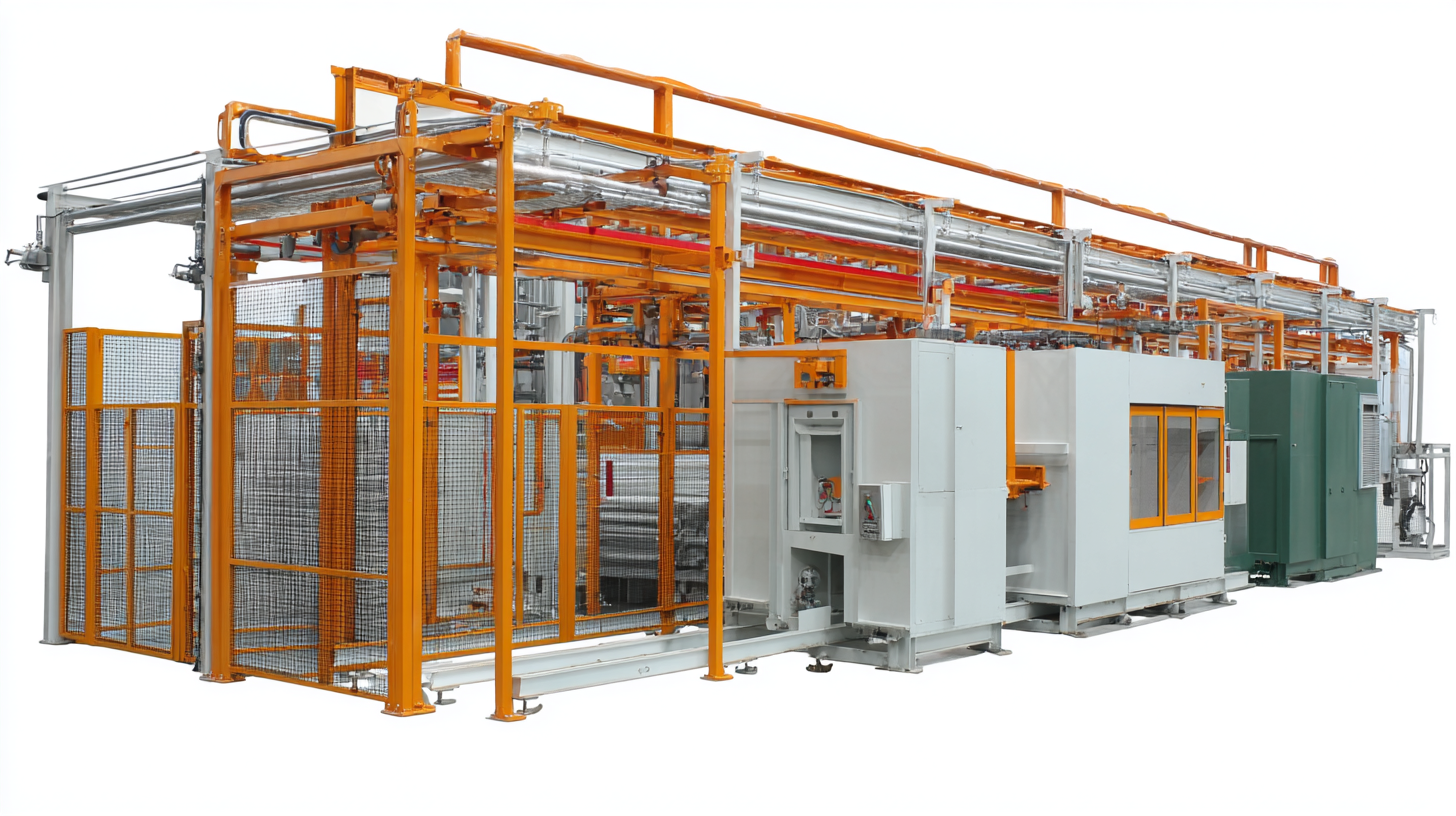
In today's competitive manufacturing landscape, implementing a powder coating line has become a strategic decision for businesses seeking enhanced operational efficiency and product quality. According to a report by MarketsandMarkets, the global powder coating market is projected to reach USD 30.2 billion by 2024, growing at a CAGR of 6.9% from 2019. This growth reflects a rising demand for eco-friendly coating solutions, as powder coatings contain no solvents and release negligible volatile organic compounds (VOCs), aligning with sustainability goals. Additionally, businesses that adopt advanced powder coating technologies can significantly reduce production times and costs while improving the durability and finish of products, making it a wise investment. By understanding the advantages of incorporating a powder coating line, companies can stay ahead of industry trends and meet increasing consumer expectations for quality and environmental responsibility.
Understanding the Benefits of Implementing a Powder Coating Line for Your Business

The Importance of Powder Coating in Industrial Applications

Powder coating has become a crucial finishing process in various industrial applications, primarily due to its durability and environmental benefits. According to the Powder Coating Institute, approximately 15% of all coatings used in North America are powder coatings, and this figure has been steadily increasing. Powder coating provides a tougher finish than conventional paints, significantly enhancing resistance to impact, chemicals, and UV rays, which is essential for industries such as automotive, aerospace, and appliance manufacturing.

Moreover, the efficiency of powder coating systems can lead to substantial cost savings for businesses. The National Association of Manufacturers highlights that powder coatings can be applied with almost zero volatile organic compound (VOC) emissions, making them a more environmentally friendly alternative. This not only helps companies comply with increasingly stringent environmental regulations but also appeals to a growing customer base that prioritizes sustainability. Furthermore, the transfer efficiency of powder coating is approximately 98%, which reduces material waste and lowers overall production costs, allowing businesses to invest more into their core operations.

Enhancing Product Durability Through Powder Coating Techniques

Powder coating techniques have emerged as a game changer for enhancing product durability. Unlike traditional liquid coatings, powder coatings provide superior resistance to chipping, scratching, and fading due to their tough structure. Market forecasts highlight the growth potential of the U.S. powder coatings sector, projecting it to cross USD 11.65 billion by 2034, up from USD 7.30 billion in 2025. This growth underscores the increasing recognition of powder coatings’ benefits in various industries, including automotive and architectural applications.

Understanding the Benefits of Implementing a Powder Coating Line for Your Business

The advantages of powder coatings extend beyond durability; they are also environmentally friendly. With low volatile organic compound (VOC) emissions, powder coatings align with the industry's shift towards sustainability, echoing trends seen in the broader coatings market, which is expected to grow from EUR 92.0 billion in 2022 to EUR 125.0 billion by 2030. As companies prioritize eco-friendly solutions, the implementation of advanced powder coating lines positions businesses to stay competitive while enhancing product longevity and reducing environmental impact.

Cost-Effectiveness and Efficiency of a Powder Coating Line

Implementing a powder coating line can significantly enhance the cost-effectiveness and efficiency of manufacturing processes. According to a report by the Powder Coating Institute, businesses can achieve up to a 20% reduction in overall coating costs when switching from liquid to powder coating. This is primarily due to the recovery and reuse of overspray material, which can exceed 90% efficiency. Unlike traditional wet paints, powder coatings do not require solvents, reducing material costs and providing an eco-friendly alternative that meets increasing environmental regulations.

Understanding the Benefits of Implementing a Powder Coating Line for Your Business

In terms of operational efficiency, powder coating lines offer quicker drying times and improved durability. A study by the National Association of Manufacturers reveals that the curing process for powder coatings can cut overall production time by up to 50%, enabling businesses to scale up their output faster. Additionally, the enhanced resilience of powder-coated products reduces the frequency of rework and rejects, further streamlining operations. As industries seek to maximize productivity while managing costs, the integration of a powder coating line presents a compelling solution that aligns with strategic business goals.

Environmental Benefits of Transitioning to Powder Coating

Transitioning to powder coating offers significant environmental benefits that align with modern sustainable practices. Unlike traditional liquid paints, powder coatings contain minimal volatile organic compounds (VOCs), leading to a substantial reduction in harmful emissions. This not only contributes to cleaner air but also helps businesses comply with stricter environmental regulations. By adopting powder coating, companies can significantly lower their carbon footprint and demonstrate their commitment to sustainability.

In addition to reducing VOC emissions, powder coating is more efficient in terms of material usage. The application process generates less waste since any overspray can be collected and reused, minimizing the amount of material that ends up in landfills. This closed-loop system not only conserves resources but also enhances the overall efficiency of production lines. Moreover, the durability and longevity of powder-coated finishes reduce the need for frequent repainting, leading to lower resource consumption and waste generation over time. Implementing a powder coating line is not just an operational upgrade; it is a progressive step towards a more environmentally friendly business model.

Environmental Benefits of Transitioning to Powder Coating

Key Considerations When Implementing a Powder Coating System

When considering the implementation of a powder coating system for your business, several key factors come into play. First and foremost, it's crucial to assess your production capacity and the types of materials you will be coating. This includes understanding the size of the items you intend to coat and the volume of production required. Properly sizing your powder coating line will not only optimize efficiency but also reduce waste and downtime.

**Tips**: Always calculate the maximum throughput your facility can handle to ensure the powder coating system can keep pace with your production demands. Additionally, plan your layout to enhance workflow and minimize unnecessary movements.

Another important consideration is the selection of quality powders and equipment. Investing in high-quality powder coatings can lead to superior finish results and improved durability of the coated products. Furthermore, consider the maintenance requirements of the equipment, as regular upkeep can prevent costly repairs and extend the lifespan of your system.

**Tips**: Research various suppliers to compare the performance characteristics of their powder coatings. Also, establish a routine maintenance schedule to keep the equipment running smoothly, ensuring consistent output and quality.

Understanding the Benefits of Implementing a Powder Coating Line for Your Business

Consideration Benefit Cost Implication Environmental Impact
Initial Investment Increased efficiency in production Moderate to high upfront costs Lower emissions compared to liquid coatings
Training Staff Improved quality control and consistency Costs associated with training Less waste generated
Equipment Maintenance Longevity of equipment and reduced downtime Ongoing maintenance costs Sustainability through reusing materials
Batch Size Flexibility to handle varying orders Variable cost related to production scale Reduced environmental footprint
Color Variety Expanded product offerings Potential increase in material costs Contributes to eco-friendliness through durable finishes
Open chat
Scan the code
Bendet Sales Assistant
Hi There👋,
Thank you for visiting our website, How can I help you?