Best Aluminum Welder Machine for Global Buyers in 2026?
The demand for Aluminum Welder Machines is on the rise globally. Current market research indicates a projected growth of 7.5% annually by 2026 in the welding equipment sector. This growth is driven by increased applications in industries like automotive, aerospace, and construction. As companies seek to improve efficiency and product quality, the choice of welding equipment becomes crucial.
Aluminum welding presents unique challenges. This metal's lightweight nature makes it prone to distortion and cracking during the welding process. Furthermore, the conductivity of aluminum requires specific techniques and equipment. Understanding these nuances is essential for buyers. According to industry experts, using advanced Aluminum Welder Machines can significantly mitigate these challenges. Buyers must consider factors like power, portability, and ease of use.
Investing in the right equipment is critical, yet many buyers may overlook essential features. Newer models offer improved settings but can come with a steep learning curve. Testing machines in real-world conditions before purchase is advisable. This ensures optimal performance and reduces future frustrations. As the market evolves, only informed decisions will lead to successful welding outcomes.
Factors to Consider When Choosing an Aluminum Welder Machine
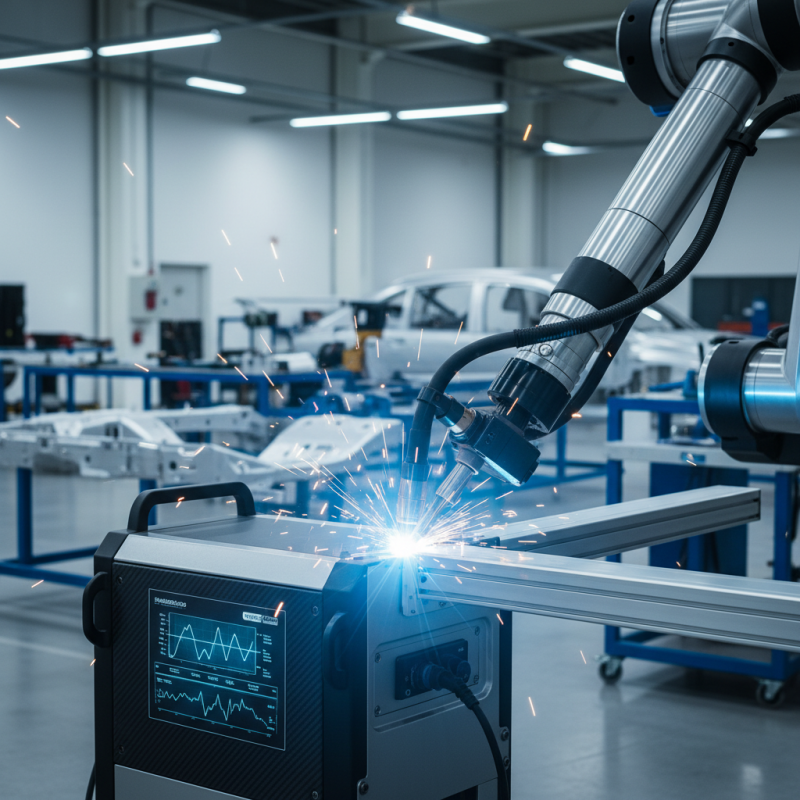
When choosing an aluminum welder machine, several factors come into play. The type of aluminum you plan to work with is essential. Different alloys require specific settings for optimal results. Consider the thickness of the materials as well. Thicker aluminum often demands more power and better cooling systems. A robust machine can ensure cleaner welds and greater durability.
Portability is another crucial aspect. If you work on various sites, a lightweight and compact welder can make your job easier. Look for features like a strong carry handle and a durable case. Additionally, ease of use matters. Some machines come with advanced features that may be overwhelming for beginners. Strive for a balance between functionality and simplicity.
Also, do not overlook the importance of customer support. A reliable service can help troubleshoot issues and provide maintenance tips. Online reviews can offer insights about the long-term performance of specific models. However, caution is necessary. Not all reviews are genuine, and biases can exist. Always conduct thorough research before making your final decision.
Top Brands of Aluminum Welder Machines in 2026
In 2026, the aluminum welding machine market is expected to see significant growth. According to a recent industry report, the global aluminum welding machine market will reach an estimated value of $1.2 billion by 2026. This growth is driven by the rise in demand across automotive, aerospace, and construction sectors. Each of these industries requires reliable and high-quality welding solutions that can handle aluminum's unique properties.
Top brands of aluminum welding machines focus heavily on innovation. They are integrating advanced technologies like inverter systems and robotic automation capabilities. This creates machines that are efficient and user-friendly. Reports indicate that buyers prioritize machines with a good balance of performance and affordability. However, some products may lack adequate customer support. This gap can lead to frustration, especially for businesses relying heavily on welding operations.
Another trend is the growing emphasis on lightweight and portable machines. Industries need tools that are easy to transport and operate in various environments. This requirement sometimes compromises the durability of the machines. As a result, buyers should be vigilant. They must seek products that uphold a balance between portability and long-term reliability. Similarly, staying updated with market fluctuations is crucial for making informed purchasing decisions.
Comparison of Welding Techniques for Aluminum
When considering aluminum welding, various techniques come into play, each with its own unique advantages. Gas Metal Arc Welding (GMAW) is widely recognized for its speed and versatility. A recent industry report indicates that GMAW accounts for over 50% of aluminum welding applications. This technique allows for high production rates, making it ideal for mass manufacturing. However, it can struggle with thicker aluminum sections.
TIG welding, another popular choice, is favored for its precision and control. Slightly less efficient than GMAW, it offers better penetration and cleaner welds. A study from the American Welding Society highlights that TIG welding produces fewer defects, which is crucial in aerospace and automotive industries. Yet, it requires skilled operators and can be slower on production lines.
Resistance welding also deserves mention. It provides speed and efficiency for thin materials. Despite its high throughput, this technique may struggle with complex weld geometries and thicker materials. Each method has strengths and weaknesses, indicative of a larger industry trend toward seeking the most effective approaches in various applications. Understanding these details remains critical for anyone involved in aluminum fabrication.
User Reviews and Feedback on Popular Aluminum Welder Models
When considering aluminum welding machines, user reviews reveal valuable insights into popular models. Many users appreciate the portability of these machines. They often mention how lightweight designs enable easy transportation to job sites. This flexibility is essential for professionals who need to weld in various locations.
Furthermore, feedback highlights the importance of user-friendly controls. Many welding machines come with intuitive interfaces, making them accessible for beginners. However, not all models satisfy experienced welders. Some users note that they require more advanced features, like variable heat settings, for diverse applications. Others mention that the learning curve can be steep for novices.
Reliability is another crucial factor in choosing an aluminum welder. Users frequently report real-world durability due to high-quality construction materials. Yet, some customers face challenges with maintenance. Over time, issues like clogged tips might arise. Regular maintenance is necessary to ensure optimal performance. User experiences often emphasize the importance of a good manual, which helps troubleshoot common problems effectively.
Future Trends in Aluminum Welding Technology and Equipment
As the aluminum welding industry evolves, upcoming trends suggest significant advancements in technology and equipment. A recent report from the International Welding Institute forecasts a 12% annual growth in aluminum welding over the next five years. This surge reflects the increasing demand across sectors such as automotive and aerospace where weight reduction is crucial.
In terms of technological advancements, automation and robotic welding are gaining momentum. According to a study by the Welding Research Institute, automated systems reduce labor costs by up to 30%, boosting efficiency. These systems also enhance precision, which is essential for complex aluminum structures. However, there remains a challenge: integrating skilled human oversight to mitigate risks during automated processes.
Looking at equipment, inverter-based welders are becoming the standard. Their lighter weight and increased energy efficiency contribute to lower operational costs. Yet, there is a fine balance to strike. Not all operators may be familiar with these newer systems, which can lead to underutilization. Continued training programs are essential to ensure that technicians can harness the full potential of these advancements, bridging the gap between technology and human expertise.