





In the modern world, vehicle recycling has become essential for sustainability. Efficient recycling depends significantly on the right Car Dismantling Equipment. This equipment plays a crucial role in the disassembly process, helping to recover valuable parts and materials from old vehicles. The choice of tools can impact both safety and efficiency in the dismantling process.
Selecting the best Car Dismantling Equipment involves understanding the specific needs of your operation. For instance, hydraulic tools are essential for cutting through metal quickly and safely. However, improper use or low-quality tools can lead to accidents and inefficiencies. This is a critical area for improvement as using outdated equipment can hinder productivity.
Moreover, training staff on the proper use of Car Dismantling Equipment is often overlooked. It’s vital for ensuring both safety and effectiveness. Investing in high-quality equipment and training will pay off in the long run. Ultimately, the right tools combined with skilled labor can revolutionize your vehicle recycling efforts. Careful consideration of equipment choices can lead to a more sustainable and efficient dismantling operation.
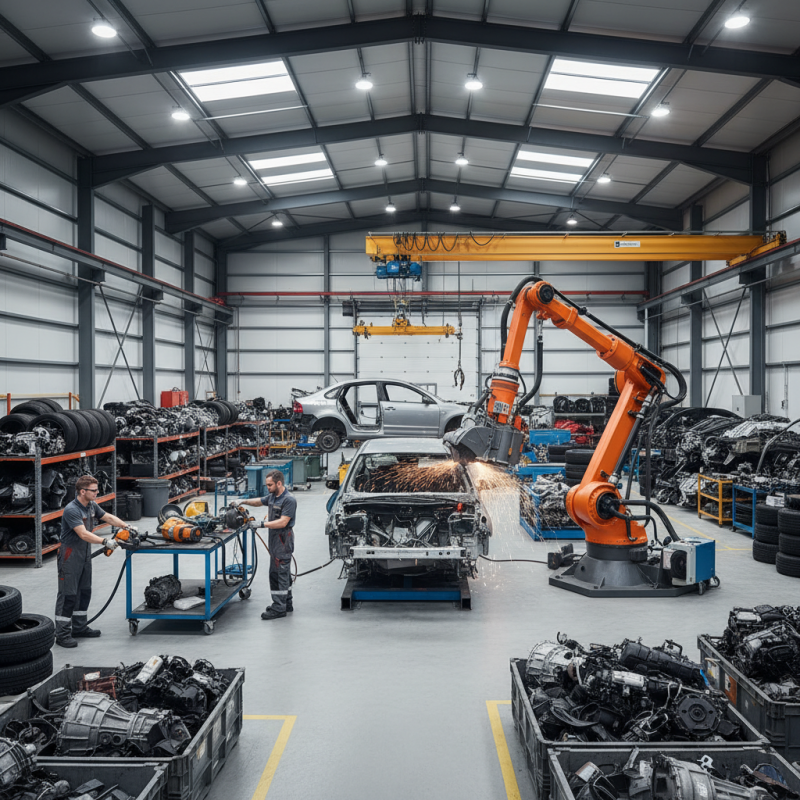
Vehicle recycling relies heavily on the right dismantling equipment. This equipment ensures a safe and efficient process. Common types include hydraulic shears, engine hoists, and car crushers. Hydraulic shears are essential for cutting through metal structures quickly. They minimize the time taken in the dismantling process, which is crucial for productivity.
Several reports suggest that using appropriate equipment can increase recycling efficiency by up to 30%. Engine hoists allow for safe removal of complex components. These hoists reduce the risk of injury and ensure quick access to parts like the engine and transmission. Car crushers can compact vehicles for easier transport. Reports show that compacting can save up to 70% in transport costs.
However, it is vital to consider the maintenance of this equipment. Well-maintained tools perform better, leading to fewer accidents and downtime. Regular checks should be a part of the workflow. Ignoring equipment upkeep may lead to inefficiencies or even safety hazards. The right equipment is only half the battle; practices around its use are equally important.
When selecting car dismantling machinery, efficiency is key. Look for equipment that simplifies the process. For instance, hydraulic tools offer incredible lifting power. They are essential for removing heavy automotive parts quickly. The right hydraulic lift can really cut down on time.
Ease of operation matters too. User-friendly controls are vital for workers' safety and speed. Some models have automated features that enhance productivity. A well-designed interface can reduce training time. Additionally, consider the machinery’s maintenance requirements. Simple maintenance can save costs in the long run.
Safety features should not be overlooked. Equipment should come with preventive measures like emergency stop buttons. This is crucial in preventing accidents. However, not all models may achieve this perfectly. Evaluate the training necessary for users. Poorly trained staff can lead to inefficiencies or accidents. Investing in comprehensive training is a must.
| Equipment Type | Key Features | Efficiency Rating | Estimated Cost ($) |
|---|---|---|---|
| Hydraulic Car Crusher | High crushing force, compact design, energy-efficient | 98% | 25,000 |
| Baler Machine | Automated operation, fast cycle time, minimizes space | 95% | 30,000 |
| Shredder | Reduces vehicle size, efficient metal separation, durable blades | 90% | 50,000 |
| Fluid Extractor | Quick fluid removal, safe handling features, portable | 92% | 2,000 |
| Deburring Machine | Smoothens metal edges, customizable settings, high throughput | 94% | 15,000 |
Car dismantling is a critical process in vehicle recycling. Ensuring safety during this process should be a priority for professionals. Over the years, many have learned that a lack of proper precautions can lead to serious injuries. Protective gear like gloves and safety goggles is essential. One wrong move can cause accidents, so remain vigilant.
Tips: Always inspect tools before use. Ensure that they are in good condition. This simple act can prevent mishaps and enhance efficiency. Avoid working alone when handling heavy components. An extra set of hands can make a difference.
Storing hazardous materials safely is vital in dismantling yards. Fluids like oil and battery acid pose risks. Containment systems should be in place to manage spills. Reflect on storage practices regularly. Evaluate if improvements can be made to maintain a safe environment. Regular training sessions for staff also play a crucial role in reinforcing safety measures.
The landscape of vehicle recycling is rapidly changing, especially with technology at the forefront. Advanced dismantling equipment is no longer a luxury; it is essential. These machines improve efficiency and reduce labor costs. Robotics plays a crucial role in automating tasks, from dismantling to sorting. This minimizes the risk of injury for workers too. A significant focus is now on eco-friendly practices.
Technology also aids in the accurate assessment of vehicle components. Software systems track the condition and value of parts. This optimizes the recycling process and increases profit margins. However, not all recyclers have embraced these innovations. Some still rely on traditional methods, which can be slower and less effective. This raises questions about industry standards and competitiveness.
Moreover, while technological advancements are exciting, they come with challenges. Training staff to use new equipment is vital but often overlooked. Adequate education ensures that technology serves its purpose. The shift toward innovation requires an ongoing commitment from all stakeholders. Embracing change is necessary for long-term success, yet it demands reflection and adaptation.
Efficient vehicle recycling relies heavily on the right dismantling equipment and its maintenance. Regular checks on equipment condition are critical. These checks can help catch minor issues before they become costly repairs. Operators should be trained to spot wear and tear early. This proactive approach can significantly reduce downtime.
Another important aspect of maintaining efficiency is proper cleaning. Dismantling equipment must be kept free of debris. This not only enhances performance but also prolongs the lifespan of the machinery. Operators can set a daily cleaning routine to ensure that every part remains functional. Neglecting this can lead to unexpected failures.
Regular lubrication is also key. Without it, parts can grind against each other, causing damage. Scheduling lubrications based on operational hours can keep everything running smoothly. However, it’s crucial to monitor the amount used. Over-lubricating can attract dirt and create additional issues. Efficiency is a delicate balance that requires constant attention and adjustment.
Hein Minnie
Cell nr: +27 (0) 82 564 6501
Email: sale@thecirclemachine.com
Hein Minnie Jnr
Cell nr: +27 (0) 84 284 7234
Email: sale@thecirclemachine.com
Address:
10 Apsey Street,
Heidelberg,
Gauteng,
1441
Bendet Engineering Services (PTY) LTD was established in 1987. Our team of engineers and draughtsman are ready to deliver a complete turnkey solution, from the design phase to commissioning. A dedicated team that consists of electrical, mechanical and industrial engineers, we are able to offer a comprehensive service to our clients.