Best Refined Salt Machine for Global Buyers Guide?
In the evolving global market for refined salt, selecting the best refined salt machine is crucial. In recent years, the demand for high-purity salt has steadily increased, driven by industries such as food processing and pharmaceuticals. According to a report by Market Research Future, the global refined salt market is expected to grow at a CAGR of 4.5% through 2026. This growth highlights the importance of investing in advanced machinery that meets quality and efficiency standards.
Dr. Sarah White, a respected expert in the salt processing industry, emphasizes, "Investing in the right refined salt machine can significantly enhance product quality and production efficiency." Her insights reflect a consensus among industry leaders about the critical role that state-of-the-art technology plays in meeting consumer demands.
However, choosing the ideal refined salt machine is not without challenges. Buyers often encounter a wide array of models, each claiming superior performance. This can lead to confusion. It’s essential for buyers to conduct thorough research and consider their specific needs. Finding a balance between cost and quality often requires careful assessment. Ultimately, the right machine will not only boost production rates but also align with industry standards.
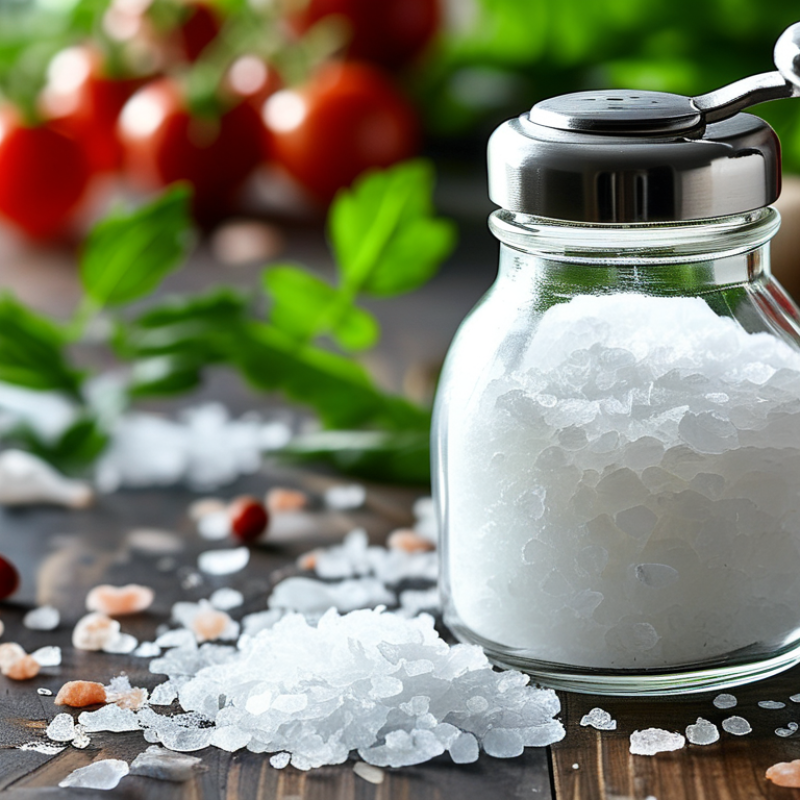
Overview of Refined Salt Machines and Their Importance in the Industry
Refined salt machines play a crucial role in the salt production industry. They ensure the salt is purified and free from impurities. These machines use advanced technology to produce high-quality refined salt, which meets global standards. The process typically involves several stages, including washing, drying, and packaging. Each step is vital for ensuring the final product's quality.
The importance of refined salt machines cannot be overstated. They contribute to food safety and industry efficiency. Without these machines, producing the necessary quantities would be challenging. Yet, not all machines are equally effective. Some may compromise quality for speed, leading to concerns about product reliability. Buyers must carefully analyze machine specifications and capabilities before making a purchase decision.
Investment in refined salt machinery is not without challenges. Understanding operational costs and maintenance requirements is essential. Additionally, technological advancements may lead to obsolescence. Therefore, companies must stay informed about innovations in the field. This awareness aids in making informed investment choices, ultimately benefitting their production processes and output quality.
Key Features to Consider When Choosing a Refined Salt Machine
When selecting a refined salt machine, several key features demand attention. Capacity is essential; machines can vary significantly. A machine with higher capacity might suit larger operations, while smaller models can meet niche demands. Efficiency is another crucial aspect, as a capable machine minimizes energy consumption and maximizes output. According to market analysis, energy-efficient machines can reduce costs by up to 30%.
Maintenance is vital for long-term performance. Look for machines that are easy to clean and service. Complicated machinery can lead to downtime, affecting production schedules. A recent industry report highlighted that businesses lose approximately 20% of productivity due to equipment failures. Investing in reliable machinery is not just practical; it also saves time and lowers operational risks.
Tip: Always analyze your production needs before making a purchase. Reflect on how often you might need to scale up your operations. Avoid overcommitting to a machine that's too advanced for your current needs. Balancing capability with your production scale will yield the best ROI.
Types of Refined Salt Machines and Their Applications
The refined salt industry has seen significant evolution in machine technology. Various types of refined salt machines are now available, each designed for specific applications. Vacuum evaporators excel in producing high-purity salt through the evaporation of brine. According to recent industry reports, more than 45% of the global refined salt is produced using this method.
Another popular type is the crystallizer, which aids in the formation of salt crystals from saturated solutions. Reports indicate that this process enhances both product quality and efficiency. Moreover, modern packaging machines contribute to automation, reducing human error. With automation on the rise, it is essential to upgrade old machinery, as failure to modernize can lead to inefficiencies.
However, not all machines perform optimally under varying operational conditions. Some users have reported challenges with maintenance and scalability. Understanding these limitations is crucial for potential buyers. Decision-makers must consider factors such as energy consumption and technology compatibility. In many cases, the choice of machinery directly impacts production cost and quality assurance. This makes careful selection vital for success in the competitive refined salt market.
Top Brands Offering Refined Salt Machines in the Global Market
The global market for refined salt machines has grown significantly in recent years. Many manufacturers offer advanced solutions for salt processing, ensuring high quality and efficiency. Buyers should focus on several key factors when selecting the best equipment for their needs.
Among the leading brands, some prioritize user-friendly designs. Simple interfaces can greatly reduce the training time for operators. Others focus on energy efficiency, which is crucial for long-term cost savings. It’s also essential to consider maintenance requirements. Some machines may need more frequent servicing, impacting overall productivity.
Buyers should evaluate the specific needs of their operations. Not all machines are created equal. Some may excel in speed, but compromise on purity. It’s important to reflect on these aspects before making a decision. The right machine can enhance production and ensure a consistent product quality. Balancing performance and reliability is key to success in this industry.
Maintenance Tips for Optimal Performance of Refined Salt Machines
Maintenance of refined salt machines is crucial for their longevity and efficiency. Regular cleaning is one of the most essential tasks. Salt residues can accumulate, leading to corrosion and performance decline. A report by the International Salt Association indicates that well-maintained machines can reduce operating costs by up to 15%. This highlights the importance of consistent upkeep.
Additionally, lubricating moving parts ensures smooth operation. Neglecting this can lead to wear and tear. Timely inspection can reveal potential issues before they escalate. According to industry experts, machines should be serviced at least every six months. This proactive approach enhances reliability.
Operators must stay informed about the machine's specific requirements. Different models may have unique maintenance needs. Training staff on these details can prevent mistakes. The cost of downtime due to improper maintenance can be significant, affecting production schedules. Regular checks and proper training ensure that refined salt machines perform optimally in the long run.