




In today's competitive market, selecting the best Transmission Belt options is crucial for global buyers. According to industry expert John Smith, "The right transmission belt can significantly enhance machinery efficiency." His insight underlines the importance of choosing the appropriate type.
Transmission belts are essential components in various industries, facilitating smooth power transfer. Buyers need to consider factors such as material, durability, and application when making their selection. A tailored approach can lead to improved performance.
However, the sheer variety of options might overwhelm purchasers. Companies must evaluate their needs carefully. While many transmission belts offer promising features, not all are suitable for every application. Finding the right match remains a complex challenge that requires time and resources.
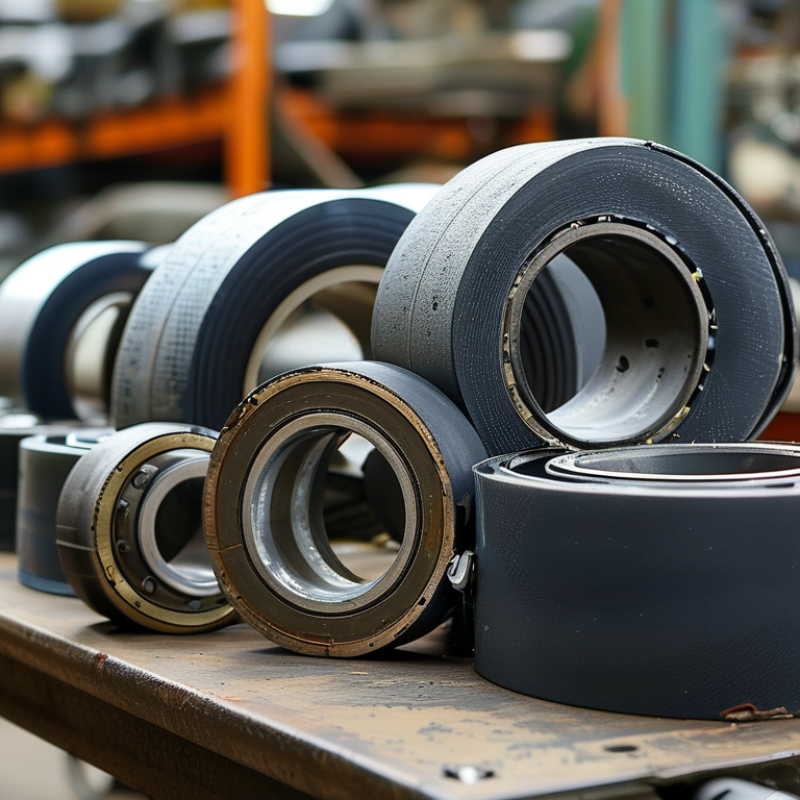
Transmission belts play a vital role in various mechanical applications. They are essential for power transmission, enabling efficient energy transfer between components. For global buyers, understanding different types of belts is crucial for making informed decisions.
There are several types of transmission belts, each designed for specific applications. Flat belts are common in light-duty tasks. They work well on simple drive systems. In contrast, V-belts provide more grip and are better suited for heavy loads. They also minimize slippage, enhancing efficiency. Timing belts serve a niche role, ensuring perfect synchronization for precise machinery operations. These types show the diversity in design and functionality.
When selecting a transmission belt, consider factors like load requirements and environmental conditions. Belts can wear out, requiring regular checks. Global buyers may encounter challenges when sourcing. Misunderstandings can lead to issues, such as incorrect sizes or incompatible materials.
It’s essential to communicate clearly with suppliers. A misstep can result in costly downtime. Keeping an eye on durability and reliability is also vital. The world of transmission belts is complex but rewarding for informed buyers.
When selecting transmission belts, several key factors require attention. First, the material composition influences performance. Common materials include rubber, polyurethane, and neoprene. Each has distinct advantages and drawbacks. For instance, rubber belts offer durability but may not withstand extreme temperatures. Polyurethane provides flexibility but can wear quickly under heavy loads.
Another critical aspect is the belt design. Engineers often choose between flat, round, or V-belts based on application needs. A report from Industry Insights states that the global transmission belt market is expected to grow by 5.9% from 2021 to 2026. This growth indicates the increasing demand for tailored solutions in various industries.
The correct sizing is vital. Belts that are too tight can lead to premature wear, while loose belts may slip. A recent study showed that improper sizing can reduce efficiency by up to 20%. Regular maintenance checks can help identify wear and tension issues early. Investing time in understanding these factors may enhance operational efficiency in the long term.
When selecting the best transmission belts, reliable performance is key. Many users overlook brand reputation, focusing solely on price. However, established brands often offer enhanced durability. Their products typically undergo rigorous testing, ensuring they withstand extreme conditions. This reliability can save you time and money in the long run.
Tips: Research user reviews. Understand common failures related to specific usage. Not all belts are created equally; some perform poorly under heavy loads. Familiarize yourself with material types. Rubber blends and polyester composites have different strengths and weaknesses.
While cheaper options may seem appealing, they often lack the necessary quality. A poorly made belt can lead to machinery failure. This not only disrupts operations but can incur significant replacement costs. Always consider the environment where the belt will operate. Heat, moisture, and debris levels can dramatically affect performance. Choosing wisely means thinking about long-term impacts.
| Belt Type | Material | Width (mm) | Length (m) | Max Load (kg) | Temperature Range (°C) | Application |
|---|---|---|---|---|---|---|
| Timing Belt | Rubber | 25 | 2 | 150 | -30 to 100 | Automotive Engines |
| V-Belt | Polyester | 30 | 5 | 200 | -20 to 80 | Industrial Machines |
| Flat Belt | Nylon | 50 | 10 | 500 | -10 to 60 | Conveyor Systems |
| Round Belt | Polyurethane | 10 | 15 | 100 | -30 to 70 | Textile Machines |
| Synchronous Belt | Neoprene | 20 | 3 | 120 | -20 to 90 | Agricultural Equipment |
In the competitive world of transmission belts, quality and pricing are crucial factors for global buyers. According to a recent market analysis by TechNavio, the global transmission belt market is projected to grow at a CAGR of 4.5% from 2022 to 2026. This growth underscores the importance of navigating through various quality tiers and pricing structures.
When assessing transmission belts, a critical evaluation of material composition is essential. Polyurethane belts are often praised for their durability. A study from MarketsandMarkets reveals that belts crafted from high-quality polymers tend to perform better under stress. This can lead to reduced maintenance costs over time. Some manufacturers opt for lower-grade materials, which can save initial costs but may fall short in longevity and performance.
Price variations are evident across different markets. A review by Mordor Intelligence highlights that premium products can be 30% more expensive than budget alternatives. Buyers might prioritize cheaper options, but they need to consider the potential long-term impacts. Cheaper belts can wear out faster, leading to unforeseen expenses. This aspect prompts reflection on the value of investing in better-quality products over time.
As we approach 2026, the transmission belt industry is witnessing significant trends and innovations. One key trend is the shift towards sustainable materials. Manufacturers are exploring biodegradable options to reduce environmental impact. This change reflects growing consumer awareness and demand for eco-friendly products.
Another notable innovation is the integration of smart technology. Smart belts equipped with sensors can monitor performance in real-time. This capability allows for predictive maintenance, reducing downtime. Such advancements enhance efficiency and reliability, making them appealing to global buyers.
However, challenges remain. The adaptation of new materials and technologies requires substantial investment. Companies must balance innovation with cost-effectiveness. This ongoing journey encourages manufacturers to rethink their strategies, ensuring they meet both market demands and sustainability goals.
Hein Minnie
Cell nr: +27 (0) 82 564 6501
Email: sale@thecirclemachine.com
Hein Minnie Jnr
Cell nr: +27 (0) 84 284 7234
Email: sale@thecirclemachine.com
Address:
10 Apsey Street,
Heidelberg,
Gauteng,
1441
Bendet Engineering Services (PTY) LTD was established in 1987. Our team of engineers and draughtsman are ready to deliver a complete turnkey solution, from the design phase to commissioning. A dedicated team that consists of electrical, mechanical and industrial engineers, we are able to offer a comprehensive service to our clients.