






China Top Chicken Layer Cage Manufacturer and Supplier

China has become an important source of poultry equipment, and choosing a Chicken Layer Cage supplier takes more than comparing prices. Farm owners need to consider bird capacity, ventilation, wire quality, feeder access, and cleaning routines. Small details matter. A drinker set too high, or a feeder poorly aligned, can complicate daily work.

Poultry scientist Dr. David B. Karcher’s research offers a useful principle: housing decisions should be assessed through measurable bird welfare and farm performance, not appearance alone. This is a paraphrase, not a direct quotation. It also points to a practical question for buyers: how will the system perform after months of use, when dust, moisture, and routine maintenance become part of the picture?

This article examines what to look for in a China-based Chicken Layer Cage manufacturer and supplier, from materials and production consistency to customization, spare parts, and communication. Ask for clear specifications, product photos, and realistic lead times. Where available, review factory quality procedures and request references from comparable farms. No supplier can make every installation identical. A cage system that works well in one building may need changes in another. That deserves a closer look. The goal is not to accept confident claims at face value, but to compare documented details with your farm’s layout, management practices, and applicable requirements.
China Top Chicken Layer Cage Manufacturer and Supplier

What a Layer Cage System Is and How It Supports Egg Production

China Top Chicken Layer Cage Manufacturer and Supplier

What a Layer Cage System Is and How It Supports Egg Production

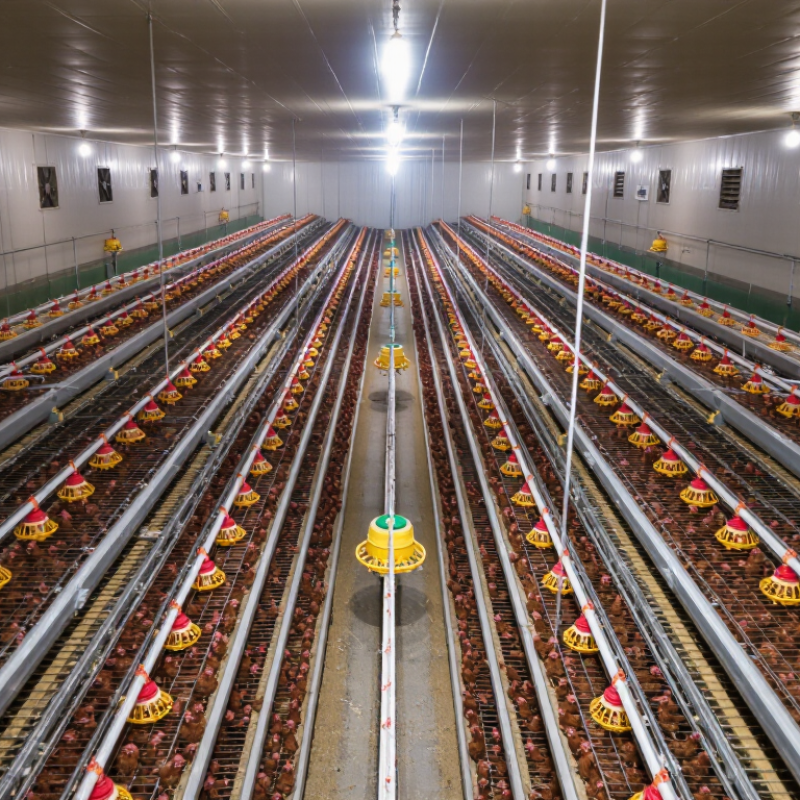
A layer cage system houses laying hens in organized compartments, with equipment arranged for routine feeding, watering, egg collection, and manure removal. A typical setup includes feed troughs, nipple drinkers, and egg belts. These parts help workers deliver feed consistently and collect eggs with less handling. That can reduce breakage, though results depend on maintenance and flock management.

A well-adjusted system can make feed and water access easier to monitor and keep eggs moving from the nest area to collection points. It does not guarantee higher output. Poor belt alignment, blocked drinkers, or uneven ventilation can still affect flock performance. Design choices also need to reflect current welfare expectations and applicable standards.

FAOSTAT’s Crops and Livestock Products database reports approximately 91.7 million tonnes of hen eggs in shell produced worldwide in 2022.

Tips: Check drinker flow and belt alignment during daily rounds. Look for wet spots, cracked eggs, and feed buildup. Small faults matter. Record recurring issues; a system that looks efficient on paper may need practical adjustments in the house.

Key Components and Common Configurations of Layer Cage Equipment

China Top Chicken Layer Cage Manufacturer and Supplier

Key Components and Common Configurations of Layer Cage Equipment

A layer-cage system depends on several parts working together: cage frames, feed troughs, drinker lines, egg belts, manure belts, and ventilation equipment. Frames support the birds and provide access to feed and water. Egg belts carry eggs toward collection points, while manure belts help remove waste from beneath the tiers. Small alignment errors can cause cracked eggs or uneven belt movement.

The FAO Statistical Yearbook 2023 reports that global egg production reached about 86 million tonnes in 2021. That scale makes reliable feeding, water delivery, and egg collection important design considerations.

Common layouts include A-frame systems, often used in smaller buildings, and H-frame systems, which can accommodate multiple tiers. The right choice depends on building width, flock size, service access, and ventilation capacity. More tiers are not automatically better; workers still need room to inspect drinkers and clear blockages.

Tips: Check nipple flow and belt tracking before placement. Keep spare connectors on site. One detail is easy to miss: uneven floor levels can affect both manure removal and egg movement. A simple commissioning checklist helps, though it cannot replace regular hands-on inspection.

China’s Role in Layer Cage Manufacturing and Supply

China plays a significant role in layer cage manufacturing through its broad network of metalworking, welding, coating, and equipment suppliers. This concentration can help factories source wire, frames, feeding lines, and drinker systems within one production region. The result is often shorter coordination between component makers and assembly teams. Details matter. A consistent wire diameter, smooth welds, and an even protective coating can affect cage fit and service life. Buyers should ask how samples are checked against production batches, not just how quickly an order can be shipped.

Supply capability depends on more than factory size. Exporters need clear drawings, accurate packing lists, spare-part planning, and realistic lead times. For a layer house, aisle width, ventilation layout, and manure-removal equipment should be reviewed before cage dimensions are finalized. A detailed installation guide helps local teams avoid costly adjustments. Still, scale alone is not proof of quality. Inspection records, material specifications, and responses to technical questions offer more useful evidence. Some suppliers may communicate well but provide limited documentation; that gap deserves attention. A careful comparison should consider long-term maintenance, replacement parts, and how the system suits the farm’s daily workflow.

How to Evaluate a Chinese Layer Cage Manufacturer and Supplier

China Top Chicken Layer Cage Manufacturer and Supplier

How to Evaluate a Chinese Layer Cage Manufacturer and Supplier

Choosing a layer cage supplier takes more than comparing quoted prices. Ask for a current factory video or visit the production floor. Look closely at wire joints, frame alignment, and the finish on cut edges. These details can affect installation and daily cleaning. Ask for written specifications, including wire diameter, material coating, cage dimensions, and tier capacity. Vague answers are a warning sign. Ask for proof.

Request a sample section or clear close-up photographs before placing a large order. Check that doors open smoothly and feeders sit level. A small mismatch can become frustrating across hundreds of cages. Confirm the supplier can share packing lists, assembly instructions, and a realistic production schedule. If a technical answer changes between emails, ask for clarification in writing.

Experience matters, but claims need evidence. Ask how the supplier handles replacement parts, installation questions, and transport damage. Request references from farms with a similar climate and flock size, then ask what required adjustment after delivery. Some buyers focus only on the lowest price; that can miss coating quality or support costs. I would not treat one successful customer story as conclusive. Compare specifications, sample quality, and communication together, and keep a record of any unresolved questions before committing.

How to Evaluate a Layer Cage Manufacturer and Supplier

Check whether the supplier’s cage specifications meet the requirements of the markets where the equipment will be used.

EU enriched-cage requirements: at least 750 cm² of cage area per hen, including at least 600 cm² of usable area. Confirm applicable local regulations and request technical drawings and measurements from the supplier. Source: Council Directive 1999/74/EC.

Ordering, Installation, and After-Sales Support for Layer Cage Systems

China Top Chicken Layer Cage Manufacturer and Supplier

Ordering, Installation, and After-Sales Support for Layer Cage Systems

Ordering a layer cage system starts with clear house measurements and flock targets. Share usable floor space, bird numbers, aisle widths, and ventilation details with the supplier. These details affect cage layout, equipment quantities, and delivery planning. FAOSTAT’s 2022 data puts global hen-egg production above 90 million tonnes, showing the scale of the sector. Yet a large production market does not make every house design suitable. Request a written bill of materials, shipping schedule, and drawings before confirming an order. Check that drinker lines, feed equipment, manure belts, and spare parts match the proposed layout.

Installation quality matters. A slightly uneven floor can cause belt tracking problems or uneven manure removal. Before assembly, confirm foundations, power access, water pressure, and unloading arrangements. Ask for installation guidance and a commissioning checklist. During handover, test each line under operation and record any adjustments. Small details matter.

Tips: Keep a dated photo record of installation and save equipment settings. It helps when troubleshooting later.

After-sales support should include a clear contact route, parts identification, and response expectations. Ask which wear parts should be kept on site, such as belt joints or drinker nipples. Supplier advice is useful, but it cannot replace routine inspections by trained farm staff. Even a good installation may need adjustment after the first weeks. Review feed flow, water access, and belt movement with the service team, then document what changes.

China Top Chicken Layer Cage Manufacturer and Supplier - Ordering, Installation, and After-Sales Support for Layer Cage Systems

Project Stage Data Dimension Planning Details Information to Confirm
Farm assessment Building layout System layout depends on house length and width, column positions, doors, service areas, and equipment access. Provide dimensioned drawings, clear internal measurements, and photographs where available.
Capacity planning Bird numbers and housing design Required capacity should be planned alongside applicable local welfare rules, flock management practices, and available floor area. Confirm target bird count, production type, applicable regulations, and preferred cage configuration.
Equipment selection Cage configuration Layer systems may use different tier arrangements and cage dimensions. The selected design affects house layout, access, and maintenance. Review cage drawings, tier count, aisle widths, and access for inspection and bird handling.
Equipment selection Feeding and watering Feed delivery and nipple-drinker lines are commonly integrated with layer cage systems; the layout should support routine operation and cleaning. Specify feed delivery method, water supply details, drinker-line layout, and required control equipment.
Equipment selection Egg collection Egg belts and collection conveyors can be configured to move eggs toward a collection or packing area. Confirm conveyor direction, transfer points, packing-room location, and the required level of automation.
Equipment selection Manure handling Manure belts or other removal arrangements should be coordinated with the building layout and the farm’s handling plan. Confirm removal frequency, discharge location, belt arrangement, and any planned manure-drying equipment.
Quotation and order Commercial scope A quotation should identify the included equipment, quantities, technical specifications, packaging, and any excluded items. Check whether installation, commissioning, freight, taxes, and spare parts are included or quoted separately.
Production planning Delivery schedule Manufacturing and delivery schedules vary with system configuration, order size, production capacity, and shipping arrangements. Request a project-specific schedule covering drawing approval, production, dispatch, and estimated transit time.
Pre-installation Site readiness The house should be prepared with suitable foundations or supports, power and water connections, and clear access for equipment handling. Review installation drawings and confirm site measurements and utility requirements before equipment arrives.
Installation Assembly and alignment Installation typically involves assembling and leveling frames, fitting cage components, and aligning feeding, watering, egg, and manure systems. Agree who is responsible for labor, tools, lifting equipment, installation supervision, and safety procedures.
Commissioning System checks Before flock placement, test moving equipment and inspect belt tracking, water flow, feed delivery, electrical connections, and safety guards. Document test results, operator training, adjustments, and any outstanding items.
After-sales support Maintenance and spare parts Routine inspection and timely replacement of worn components can help maintain reliable operation. Request maintenance guidance, a recommended spare-parts list, warranty terms, and the process for technical support.

Planning details are general guidance. Final specifications, capacity, schedule, installation scope, and compliance requirements should be confirmed for each farm and project.

Open chat
Scan the code
Bendet Sales Assistant
Hi There👋,
Thank you for visiting our website, How can I help you?