






Why Choose an Anchor Drill Rig for Your Construction Projects?

In the ever-evolving world of construction, choosing the right equipment is crucial for success. According to Dr. Emily Carter, a renowned expert in the field, “An Anchor Drill Rig is pivotal for enhancing stability and safety.” Her insights underscore the significance of this versatile machine in various projects.

Anchor Drill Rigs offer numerous advantages. They are designed for durability and efficiency, allowing construction teams to tackle challenging terrains. Their ability to drill deep anchors ensures that structures are secure. However, investing in an Anchor Drill Rig requires careful consideration. Budget constraints and project requirements must align for optimal use.

Real-world experiences shed light on the necessity of the Anchor Drill Rig. Companies that embraced this technology reported a remarkable increase in project efficiency. Yet, some faced challenges in training operators to maximize the rig's potential. The art of using such equipment involves continuous learning and adaptation, pointing towards the ongoing need for expertise in the field.
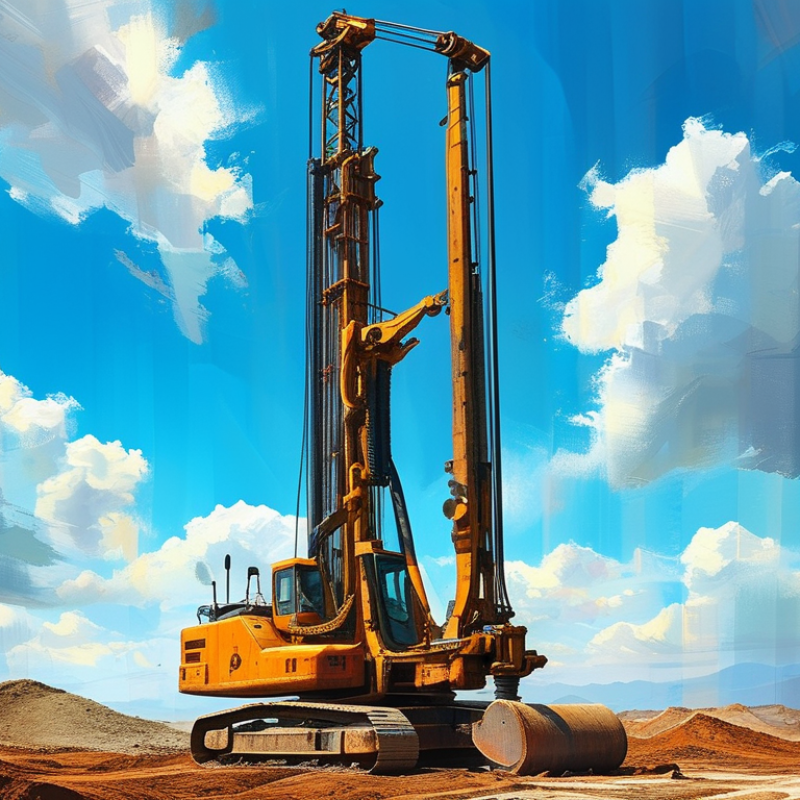
Why Choose an Anchor Drill Rig for Your Construction Projects?

Understanding Anchor Drill Rigs: Definition and Purpose

Anchor drill rigs are specialized machines designed for creating secure holes in various materials, primarily for anchoring purposes. These rigs are pivotal in construction projects, enabling the installation of anchors that provide stability and support to structures such as buildings and bridges. Their purpose is simple: to ensure that key structures can withstand the forces acting upon them, whether that's soil movement or heavy loads.

When choosing an anchor drill rig, consider the project requirements. Assess the type of soil and material where you will drill. The right drill rig can significantly impact efficiency. Often, complex terrains can test even experienced operators. Take time to select the appropriate rig that aligns with both the depth and diameter of holes needed. The choice between rotary or percussion drilling methods can also influence project outcomes.

For effective operation, ensure regular maintenance of your anchor drill rig. Neglecting routine checks can lead to unexpected failures, delaying projects. Operators must be trained and familiar with the rig's controls. This can prevent accidents and enhance safety. Stay informed about the latest advancements in drilling technology, as these can ultimately optimize your construction practices. A well-informed choice will lead to better results and stronger structures.

Key Benefits of Using Anchor Drill Rigs in Construction Projects

Anchor drill rigs have become essential tools in modern construction. Their efficiency and precision play a vital role in various projects. According to a study by the International Association of Drilling Contractors, anchor drilling significantly reduces installation time by up to 30%. This efficiency results in lower labor costs and quicker project completion.

Enhanced safety is another key benefit. Studies show that anchor drills reduce the risk of accidents on site. With automated systems, operators can maintain a safer distance from hazardous areas. Using these rigs can lead to fewer workplace injuries, promoting a safer environment.

When considering an anchor drill rig, think about mobility. Many models are designed for versatility. Choosing a compact rig can improve site access, especially in urban areas. Ensure your team is trained adequately, as the learning curve for advanced features can be steep. Always analyze site conditions before selection. This helps avoid costly mistakes.

Common Applications of Anchor Drill Rigs in Various Industries

Anchor drill rigs find extensive use across various industries, including construction, mining, and civil engineering. Their primary application lies in creating deep foundations and anchoring systems. For instance, in civil engineering, anchor drill rigs help in installing ground anchors. These anchors are essential for stabilizing structures such as retaining walls and highway overpasses. Data from the Global Construction Survey shows that the grounding and anchoring markets are projected to grow by over 5% annually, highlighting the increasing demand for effective drilling solutions.

In the mining sector, anchor drill rigs assist in securing drilling equipment and stabilizing slopes. An industry report indicated that effective slope stabilization can reduce landslide risks by 45%. In addition, the oil and gas industry benefits significantly from anchor drill rigs for setting up offshore platforms. These rigs provide the necessary support against harsh marine conditions. However, the reliance on technology raises questions about operator training and environmental impacts, which need to be addressed for sustainable operations.

The versatility of anchor drill rigs fuels their application in various settings. Their ability to adapt to different soil and rock conditions is crucial. However, users must consider equipment maintenance and operator skill levels. Poor maintenance can lead to decreased efficiency and potential project delays. As the demand for these rigs continues to rise, improving operational standards and environmental practices will be critical.

Factors to Consider When Choosing an Anchor Drill Rig

When selecting an anchor drill rig, consider several key factors. The type of soil you will be working in is crucial. Softer soils may require different equipment than rocky or hard materials. Understanding the geology can help you choose a rig with the right specifications.

Another important aspect is the rig's lift capacity. Projects with deep anchor requirements need rigs that can support significant weight. Look for models that can handle the depth without sacrificing stability. Additionally, assess the rig's mobility. A lightweight, portable rig can be beneficial for projects in tight spaces or urban environments.

While price is a factor, performance must not be overlooked. Sometimes, a lower-priced option may not provide the durability or efficiency needed for long-term projects. Research and review historical performance data of the rigs you are considering. Experiences shared by other users can reveal strengths and weaknesses. A deeper understanding of these factors will help you make a more informed decision.

Maintenance and Safety Tips for Anchor Drill Rig Operations

When operating an anchor drill rig, maintaining safety and efficiency is crucial. Regular inspections are vital. Check the rig for wear and tear before each use. Look closely at hydraulic hoses, drill bits, and safety guards. A small crack can lead to significant accidents. Keep the workspace clean to prevent slips and falls. Ensure that all personnel wear appropriate safety gear like helmets and gloves.

Training is essential for all operators. They should understand the equipment thoroughly. Regular training sessions can keep safety fresh in their minds. Mistakes often occur due to a lack of understanding. Operators should practice proper techniques for handling the drill and dealing with unexpected situations. It’s beneficial to conduct safety drills to prepare for emergencies.

Communication is important on any construction site. Establish clear signals among workers operating the rig and those nearby. They need to be aware of the drill's movement and possible hazards. Encourage team members to speak up about potential dangers. Reporting near misses can improve overall safety protocols. A culture of safety requires ongoing effort and reflection.

Open chat
Scan the code
Bendet Sales Assistant
Hi There👋,
Thank you for visiting our website, How can I help you?