






Choosing the best Hybrid Vtol Drone for your needs can be challenging. The industry is rapidly evolving. According to the Drone Industry Insights report, the market for hybrid VTOL drones is projected to reach $6.1 billion by 2025. This growth underscores the increasing demand for versatile aerial solutions.
Expert Dr. Emily Johnson, a leading authority in drone technology, states, “Hybrid VTOL drones offer unique capabilities that traditional drones cannot match.” Choosing the right model depends on various factors, including payload capacity, flight time, and operational environment. Understanding these aspects can greatly enhance your decision-making process.
While many options exist, users must reflect on specific requirements. Often, features may seem appealing but may not fit your operational goals. Ensuring that your selected hybrid VTOL drone aligns with your unique needs is essential for maximizing efficiency and effectiveness. Striking the right balance between performance and usability is a key consideration.
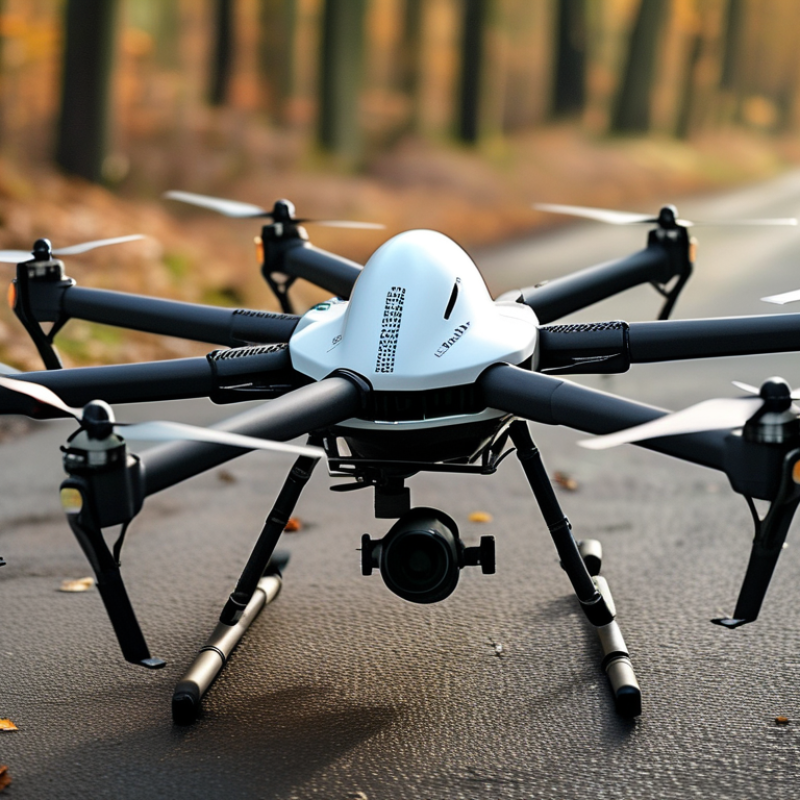
Understanding hybrid VTOL drone basics is essential for making an informed choice. These drones combine vertical takeoff and landing capabilities with the efficiency of fixed-wing flight. This unique design allows for greater versatility in various applications. For instance, they can conduct aerial surveys, package deliveries, and search and rescue missions, adapting to different environments seamlessly.
Operations of hybrid VTOL drones require careful consideration. One must understand the different flight modes, such as hover, cruise, and transition phases. Each mode impacts performance and battery life. Pilots should also consider payload capacity and flight ranges. Different drones excel in distinct environments. Analyzing operational needs is vital. Selecting a drone that aligns with specific requirements can be challenging.
It is important to reflect on the learning curve associated with these advanced drones. While their technology is impressive, mastering their operation can take time. Pilots should invest in training and simulation to enhance their skills. Testing various flight modes in controlled settings can yield valuable insights. These reflections lead to better decision-making when choosing the right hybrid VTOL drone for specific needs.
When selecting a hybrid VTOL drone, there are several key factors to consider. Payload capacity is vital; make sure it aligns with your intended mission. A drone that’s too small may not carry the equipment you need. Additionally, the flight time is crucial. Longer durations enhance your operational capabilities, allowing you to cover more ground without recharging.
Another factor is the ease of use. Some drones may have more complex controls, which can be overwhelming for beginners. Look for models that offer intuitive interfaces. This can save time during training and improve efficiency during operations.
Consider the durability and reliability of the drone. Harsh environments can affect performance significantly. It's worth investing in a model that can withstand various weather conditions. Pay attention to customer reviews and technical specifications; they can provide insights into reliability and performance in real-world scenarios. Reflect on what features you genuinely need versus what may be marketed as essential. Balancing your requirements with your budget can help streamline the selection process.
When selecting a hybrid VTOL drone, understanding flight performance and range is crucial. These factors directly impact the drone’s efficiency and effectiveness for your specific needs. Flight performance includes aspects like speed, stability, and maneuverability. A drone with excellent flight performance can adapt to various environments, making it versatile for different applications.
Range is equally important. It determines how far your drone can travel from the launch point. A short-range drone may limit your tasks, especially in large areas. Consider your application. If you need to cover extensive distances, ensure the drone has a suitable range.
Explore user experiences and expert reviews for insights. Real-world performance can differ from technical specifications. Testing various models can help you find the right balance between range and performance. Look for drones that offer customizable settings to optimize flight characteristics as per your requirements.
| Model | Flight Time (min) | Max Range (km) | Payload Capacity (kg) | Cruise Speed (km/h) |
|---|---|---|---|---|
| Model A | 45 | 25 | 5 | 50 |
| Model B | 60 | 30 | 8 | 70 |
| Model C | 30 | 15 | 3 | 40 |
| Model D | 50 | 20 | 6 | 60 |
When selecting a hybrid VTOL drone, understanding its payload capacity and versatility is crucial. Payload capacity directly impacts the type of missions a drone can undertake. Recent data indicates that most VTOL drones can carry between 5 to 15 kilograms. This range suits various applications like aerial photography, surveying, and even cargo delivery. If your needs include heavier payloads, ensure to research models that can support up to 30 kilograms.
Versatility involves more than just payload capacity. A truly versatile drone should adapt to different environments and tasks. For instance, some models incorporate modular designs that allow users to swap out cameras or sensors quickly. According to a 2023 industry report, approximately 40% of commercial drone users prioritize versatility for their operations. It's essential to analyze the specific features that enhance operational flexibility, such as range, battery life, and software capabilities.
While many products boast impressive specifications, it's wise to approach these claims with caution. Some drones may not perform as promised in real-world conditions. Conducting field tests or consulting user reviews is essential to gauge actual performance. Assessing payload capacity and versatility requires both data analysis and practical experience to ensure the chosen drone meets your specific requirements.
When selecting a hybrid VTOL drone, it's crucial to analyze the balance between cost and features. Many potential buyers often fixate on the price tag without considering the long-term benefits. A more expensive drone might include advanced features that enhance its performance and reliability. For instance, improved battery life and sophisticated navigation systems can result in better operational efficiency in varied environments.
Specific features, such as payload capacity and range, are essential to match your needs. A drone meant for extensive surveying may require robust sensors. Alternatively, if your focus is on quick deliveries, speed will be more important. Assessing these needs against your budget can save you from overspending on unnecessary features. Sometimes, lower-cost options provide adequate solutions, yet might lack the durability needed for challenging conditions.
Evaluating user reviews and expert opinions can shed light on real-world performance versus advertised capabilities. Some drones may seem perfect on paper but underperform during actual use. Learning from others' experiences may reveal critical insights, allowing you to adjust expectations and make informed decisions. Always question whether the additional features justify the increased cost. It’s essential to find a hybrid VTOL drone that aligns with your specific requirements, rather than just chasing the latest model.
Hein Minnie
Cell nr: +27 (0) 82 564 6501
Email: sale@thecirclemachine.com
Hein Minnie Jnr
Cell nr: +27 (0) 84 284 7234
Email: sale@thecirclemachine.com
Address:
10 Apsey Street,
Heidelberg,
Gauteng,
1441
Bendet Engineering Services (PTY) LTD was established in 1987. Our team of engineers and draughtsman are ready to deliver a complete turnkey solution, from the design phase to commissioning. A dedicated team that consists of electrical, mechanical and industrial engineers, we are able to offer a comprehensive service to our clients.