








Choosing the right 10g Mm Sfp for your network needs is crucial in today's fast-paced tech landscape. With the demand for data transmission increasing, a fiber optic solution has become necessary for many organizations. According to a report by Grand View Research, the global fiber optic market is expected to reach $81.7 billion by 2027, showing the growing importance of reliable connectivity solutions.
The 10g Mm Sfp module provides high-speed connectivity and is essential for data centers, enterprises, and service providers. It supports 10 Gbps Ethernet connections, making it suitable for various applications. For instance, research from Dell'Oro Group indicates that the market for 10 Gigabit SFP modules will witness significant growth, driven by cloud computing services and increasing bandwidth demands. However, selecting the right module can be daunting, given the diverse options available.
Many users often overlook key factors such as compatibility, distance, and environmental conditions. It's essential to assess your specific needs, as not all 10g Mm Sfp modules perform equally. Investing time in understanding your network's requirements can save you costs and improve performance in the long run. By doing so, you can ensure that your choice meets both current and future network demands.
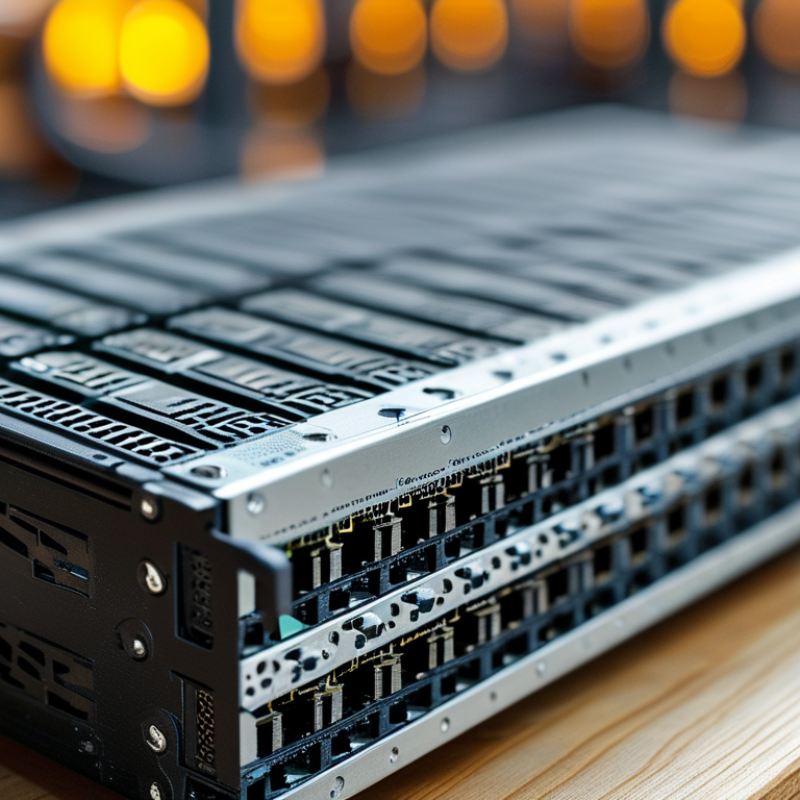
When selecting a 10G MM SFP transceiver, understanding the basics is essential. These small form-factor pluggable devices play a crucial role in network communication. They support high-speed connections over multimode fiber, making them ideal for short-range applications. The transmission distance typically ranges from 300 to 400 meters, depending on the fiber type.
Compatibility is a significant factor when choosing a transceiver. Not all devices work seamlessly with every part of your network. Always check the specifications of your networking equipment. Look for the right wavelength and connector types. Some users may overlook these details, leading to suboptimal performance.
Temperature ranges and environmental factors also matter. Different applications may require transceivers that endure varying conditions. Ignoring these aspects can lead to reliability issues. It’s essential to assess the network’s physical environment alongside choosing the right transceiver. These decisions require careful thought and sometimes adjustments based on usage context.
When selecting a 10G multimode small form-factor pluggable (SFP) module, understanding your specific network requirements is crucial. The distance and data rate your network needs can significantly influence your choice. For instance, while 10G SFP modules can typically operate over distances up to 400 meters on OM4 fiber, factors such as signal loss and environmental conditions may affect actual performance. Reports suggest that improper selection can lead to issues such as increased latency and reduced throughput.
You should evaluate if your existing infrastructure supports the desired SFP module. This includes compatibility with current switches and routers. Research indicates that nearly 30% of network performance issues stem from mismatched components. Therefore, assessing your network equipment and ensuring seamless integration with the 10G MM SFP is essential. Keep in mind that not every installation has the same requirements. Some may need higher bandwidth, while others may prioritize lower costs or energy efficiency.
Performance metrics like Total Cost of Ownership (TCO) and Mean Time Between Failures (MTBF) can guide your choice. A survey revealed that networks with poorly matched components experience 45% more downtime. Always weigh the long-term implications of your SFP selection against immediate savings. These decisions impact not only current operations but also future scalability and efficiency.
When choosing the right 10G multimode SFP, it's crucial to compare performance specifications. Many factors influence performance, including distance, wavelength, and connector type. Most 10G MM SFPs operate at a wavelength of 850nm and support distances up to 400 meters over OM4 fiber. However, not all SFPs are created equal. Some may only support shorter distances due to design or compatibility issues.
Another key consideration is the data rate. The most common speed is 10 Gbps, but check if your equipment can support it. Compatibility with existing hardware is essential. Sometimes, even a slight difference in specifications can lead to connectivity problems. Look for units with robust error correction features. This can significantly impact the reliability of your network.
Heat dissipation is often overlooked. High temperatures can degrade performance over time. Ensure sufficient cooling in your setup. Lastly, consider environmental factors like dust and humidity. Some SFP modules provide better resistance against these elements, making them more reliable in challenging environments. Always reflect on your specific needs to choose the best option for your network.
When selecting a 10G MM SFP module, compatibility is critical. Various networking equipment must work seamlessly together. Take note of the wavelength specifications. Most 10G MM SFPs operate at a wavelength of 850 nanometers. This is essential for multimode fiber applications. Using the wrong wavelength can lead to poor signal quality and connectivity issues.
Consider the connector type as well. Common options include LC and SC connectors. The choice of connector affects installation ease and overall network efficiency. A mismatch here can result in the need for additional adapters, potentially introducing signal loss. According to industry reports, improper connections may lead to a decrease in network performance by up to 30%.
The reach of the fiber is also a significant consideration. Typical multimode SFPs can support distances from 300 meters to 400 meters, depending on the fiber type. Not all fibers have the same specifications. Higher-quality OM4 fibers can extend distances beyond the capabilities of OM2 and OM3 fibers. This detail matters for network planning and growth strategies. Checking the specifications of both the SFP and fiber is crucial to maintain a reliable network.
| SFP Model | Maximum Distance | Wavelength | Connector Type | Compatibility |
|---|---|---|---|---|
| 10G SFP-MM | 300 m | 850 nm | LC | Cisco, Juniper, Brocade |
| 10GBASE-SR | 400 m | 850 nm | LC | Arista, HP, Dell |
| 10G SFP+ MM | 150 m | 850 nm | LC | Extreme Networks, Mellanox |
| 10G SFP+ S | 1 km | 850 nm | LC | Foundry, Cumulus |
| 10GBASE-LR | 10 km | 1310 nm | LC | Nexus, Netgear |
When considering 10G MM SFPs for your network, cost-effectiveness and vendor reputation are crucial factors. Low-cost options may tempt buyers, but they often compromise on performance and reliability. A cheaper SFP may initially save money, but unexpected failures can lead to additional expenses and downtime. Analyzing the total cost of ownership is essential. It's not just about the purchase price.
Vendor reputation plays a significant role in your decision. Established vendors typically have a track record of reliability. They offer better support and warranty options, which can be invaluable. Look for reviews and expert opinions. A vendor's history reflects their commitment to quality standards. A good reputation can indicate that they stand behind their products.
While researching, beware of brands that often seem too good to be true. Some might lack proper certification. They may cut corners in manufacturing. Choosing an established supplier might initially seem costly, but the investment pays off in network stability. Be open to revisiting your choices as new products emerge. Balancing cost and quality is an ongoing challenge in network management.
Hein Minnie
Cell nr: +27 (0) 82 564 6501
Email: sale@thecirclemachine.com
Hein Minnie Jnr
Cell nr: +27 (0) 84 284 7234
Email: sale@thecirclemachine.com
Address:
10 Apsey Street,
Heidelberg,
Gauteng,
1441
Bendet Engineering Services (PTY) LTD was established in 1987. Our team of engineers and draughtsman are ready to deliver a complete turnkey solution, from the design phase to commissioning. A dedicated team that consists of electrical, mechanical and industrial engineers, we are able to offer a comprehensive service to our clients.