




Choosing the right automotive radar vibratory bowl feeder can be challenging. With various models available, it’s essential to understand the unique requirements of your assembly line. John Smith, a senior engineer at a leading Automotive Radar Vibratory Bowl Feeder Factory, emphasizes, "The right feeder can significantly enhance efficiency and productivity." This insight highlights the impact of making informed decisions in equipment selection.
Considering design factors, material handling, and operational capabilities is crucial. An effective feeder not only organizes parts but also improves the workflow in your manufacturing process. Many users underestimate how variations in vibratory bowl feeders can affect output. Yet, the differences can lead to substantial gains or losses in production efficiency.
In the automotive sector, precision is key. A well-chosen feeder minimizes downtime and errors during assembly. However, it is vital to evaluate potential pitfalls in product compatibility and throughput requirements. Balancing these elements requires experience and attention to detail. By learning from experts in the Automotive Radar Vibratory Bowl Feeder Factory, manufacturers can make better choices that align with their operational goals.
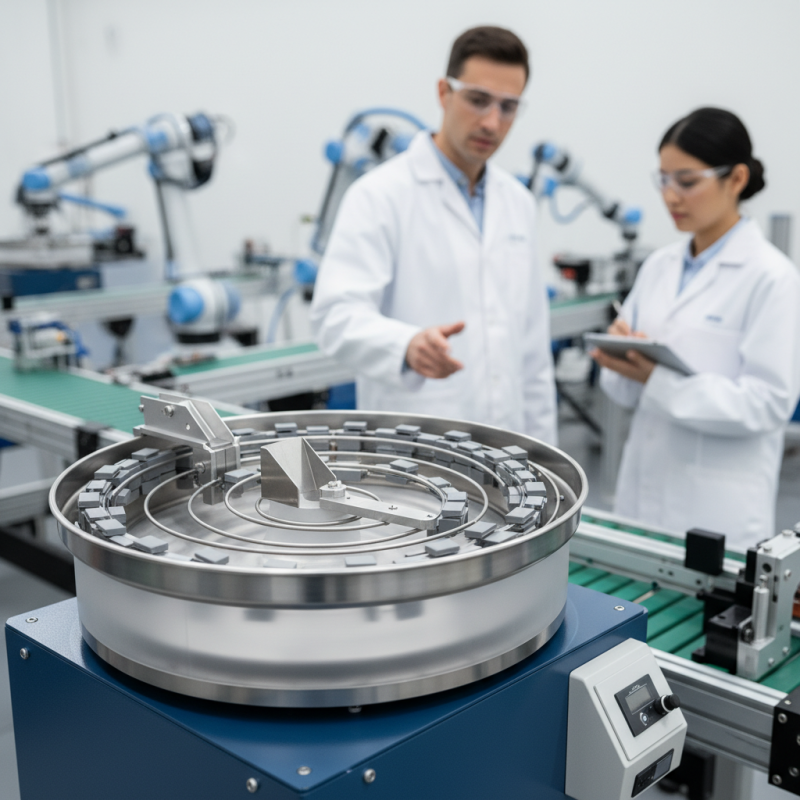
Automotive radar vibratory bowl feeders play a crucial role in production efficiency. They are designed to handle delicate components, ensuring precision and minimizing damage. According to a recent industry report, the global market for bowl feeders is expected to grow by 5.4% annually through 2028, highlighting their increasing importance in automotive manufacturing.
These feeders utilize vibrations to move parts smoothly and accurately. They can handle varied materials and have applications beyond just automotive. Quality control is vital. Inspecting feeders regularly can prevent costly errors.
Tips: Regularly assess the performance of your feeder. Look for signs of wear and tear. This proactive measure can save time and enhance efficiency. While they generally require little maintenance, temporary jams can occur. Training operators to react swiftly is beneficial. Proper training reduces downtime and boosts productivity. It is essential to choose feeders that cater to your specific needs. Always consult with experts before making significant investments.
Choosing the best automotive radar vibratory bowl feeder requires attention to key features. Precision is vital. Studies show that feeders with tighter tolerances improve parts alignment by up to 25%. This directly impacts assembly efficiency.
Consider the feeder's adaptability. Adjustable settings help accommodate various component sizes. Data indicates that flexibility in bowl design increases production rates by 15%. A robust feeding system should minimize downtime and maximize throughput.
Tips: Inspect the material quality. Advanced materials can enhance durability and reduce maintenance costs. Regular checks can prevent unexpected failures, saving time and money.
Make sure to evaluate the manufacturer's reputation. Reliable suppliers often provide comprehensive support and training. A solid warranty and customer service can safeguard your investment. Always look for user reviews and industry reports to gauge performance reliability.
When choosing an automotive radar vibratory bowl feeder, analyzing performance metrics is crucial. Feed rate is one essential metric that determines how quickly parts are delivered. It influences overall production efficiency and affects operational costs. A high feed rate might seem ideal, but it could lead to jamming or misalignment. This can result in costly downtime. Balancing speed with reliability is key to optimizing performance.
Another important factor is the efficiency of the feeder. Efficiency measures how well the system converts input into usable output. A feeder might have a high feed rate but low efficiency if a significant number of parts are improperly oriented. Tracking efficiency data helps identify areas for improvement. Regular data analysis can reveal trends that highlight inefficiencies.
While performance metrics provide valuable insights, they also reveal the need for continuous reflection. No system is perfect. Issues such as part size variability or feeder design can impact results. Operators must remain vigilant, regularly revisiting these metrics to adapt and enhance their processes. Embracing a mindset of ongoing improvement is essential in the dynamic landscape of automotive manufacturing.
Choosing the right automotive radar vibratory bowl feeder is crucial for efficiency. One key factor is material compatibility. The right materials enhance durability and longevity. According to industry reports, feeders made from high-strength materials last 30% longer than those crafted from standard options. This is vital in high-demand environments where downtime costs are significant.
When considering materials, look for options that resist wear and corrosion. For instance, stainless steel is often preferred due to its robustness and resistance to harsh conditions. Some feeders also incorporate high-impact plastics, which can be lighter yet still very durable. Performance in varied temperatures might also affect material choice.
Tip: Test various materials with your specific products to find the best match. Evaluate performance over time to ensure your feeder meets operational needs.
It's essential to reflect on the environment where the feeder will operate. Adverse conditions can lead to unexpected failures. Investing in the right material upfront can save costs in prolonged maintenance and replacements. Make informed choices to enhance your production line’s reliability.
When evaluating the cost-benefit of automotive bowl feeders, it’s essential to consider their operational efficiency. These feeders can automate parts handling, which saves time and reduces labor costs. However, initial investment costs can be significant. Businesses must weigh this against potential long-term savings. Conducting a thorough ROI analysis can reveal whether these devices are the right fit.
In addition to cost, reliability plays a critical role. Automotive assembly lines require consistent performance. If a bowl feeder frequently jams or malfunctions, it can lead to production delays. This downtime can quickly negate any savings gained from automation. Therefore, assessing the feeder’s design and previous performance metrics is vital. It provides insight into its reliability over time.
A common oversight is focusing solely on price. Many operators underestimate the importance of maintenance costs. An initially cheaper model may require more repairs, increasing overall expenditure. Investing in quality systems may offer better long-term value. It’s wise to gather feedback from industry professionals who have hands-on experience with various systems. Their insights can shed light on the real-world performance of different feeders. Balancing upfront costs with potential savings is key to making an informed decision.
| Parameter | Description | Cost | ROI (%) | Maintenance Cost (Annual) |
|---|---|---|---|---|
| Feed Rate | Speed of parts being fed | $15,000 | 35% | $1,200 |
| Durability | Lifespan and robustness of the feeder | $20,000 | 28% | $1,500 |
| Size Compatibility | Ability to handle various part sizes | $18,000 | 30% | $1,300 |
| Technology | Type of automation and radar technology used | $25,000 | 40% | $2,000 |
| Ease of Use | User-friendly operation and settings | $10,000 | 50% | $800 |
Hein Minnie
Cell nr: +27 (0) 82 564 6501
Email: sale@thecirclemachine.com
Hein Minnie Jnr
Cell nr: +27 (0) 84 284 7234
Email: sale@thecirclemachine.com
Address:
10 Apsey Street,
Heidelberg,
Gauteng,
1441
Bendet Engineering Services (PTY) LTD was established in 1987. Our team of engineers and draughtsman are ready to deliver a complete turnkey solution, from the design phase to commissioning. A dedicated team that consists of electrical, mechanical and industrial engineers, we are able to offer a comprehensive service to our clients.