How to Choose the Best Industrial Paint Booth for Your Needs?
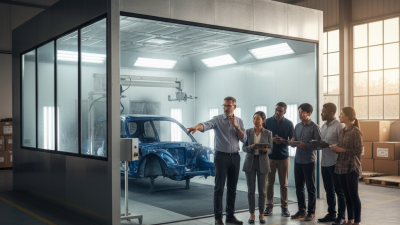
Choosing the best industrial paint booth for your business is crucial. This decision impacts efficiency and product quality. An industrial paint booth creates a controlled environment for painting processes. It minimizes overspray, dust, and contaminants.
When selecting a booth, consider various factors. The size of the booth should fit your workspace. Different types, like crossdraft or downdraft booths, serve different needs. Look for energy efficiency and ease of maintenance. Features like ventilation and filtration systems are vital for safety and compliance.
Many businesses underestimate their long-term needs. Upgrading to a larger booth later may be costly. Investing in a reliable industrial paint booth now can save money in the future. Assess your specific requirements carefully. Don’t rush the decision. A well-thought-out choice enhances productivity and boosts your reputation.
Understanding the Different Types of Industrial Paint Booths
When selecting an industrial paint booth, understanding the different types is crucial. There are mainly three categories: open face, down draft, and side draft booths. Open face booths offer easy access for operators and are ideal for smaller projects. They are straightforward to install but may lack efficient air filtration systems. This can lead to overspray issues and may not meet stringent environmental standards.
Down draft booths are popular in larger operations. They pull air through the booth from the top down, creating a clean environment. This design helps control overspray and enhances paint application quality. However, they usually require more space and a higher investment, which may not suit every budget. The complexity of installation and maintenance can also be challenging for smaller businesses.
Side draft booths provide a balanced approach. They allow air to flow across the booth horizontally, ensuring even coverage. This type is versatile and can fit into varying workspace dimensions. However, achieving optimal airflow can be tricky. Dust and contaminants remain a concern if the booth is not maintained properly.
Each type of booth has specific advantages and drawbacks that should be considered thoroughly before making a decision.
Evaluating Your Specific Painting Requirements and Needs
Choosing the right industrial paint booth can be challenging. It's essential to evaluate your specific painting requirements carefully. Consider the type of materials you will be working with. Different materials may require different finishes, affecting your choice of booth.
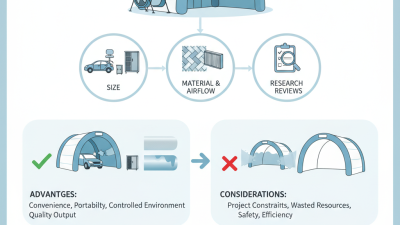
Size is another critical factor. Analyze the dimensions of the items you will paint. A small booth may limit your capabilities. However, an oversized booth might waste energy and resources. Think about your workflow. Is there enough space for easy movement? This can impact productivity.
Airflow and filtration are vital. A booth with insufficient ventilation can lead to poor paint application. Research the air quality standards relevant to your industry. This ensures compliance and optimal performance. You should also think about the maintenance routines. Less efficient booths can produce more waste and require frequent cleaning. Reflect on these details as you choose. Each decision shapes your overall outcome, from efficiency to the quality of your final product.
Comparison of Industrial Paint Booth Sizes and Applications
Key Features to Consider When Choosing a Paint Booth
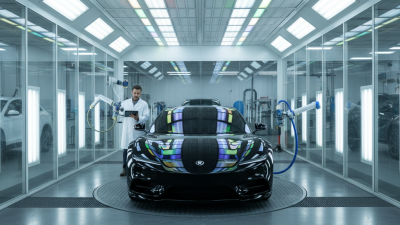
When selecting an industrial paint booth, key features should drive your decision. Consider the size of your projects. A booth should comfortably accommodate the items you'll be painting. If you're working on large components, a spacious booth is vital. Conversely, a smaller booth may suffice for smaller parts, saving you money on both installation and operating costs.
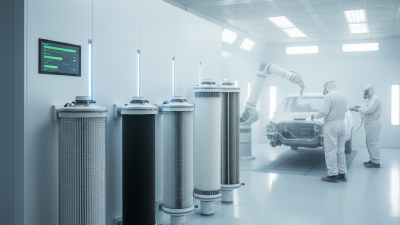
Airflow is another critical aspect. Proper ventilation ensures that overspray and harmful fumes are efficiently removed. Look for booths with a well-designed airflow pattern. This not only protects your staff but also enhances the quality of your work. Additionally, think about the filtration system. High-quality filters can capture particles effectively, delivering cleaner air within the workspace.
Don’t overlook lighting. Adequate illumination is crucial for detail work. A well-lit booth allows for better visibility and precision during painting. However, lighting can sometimes reveal flaws in your work. Use this to your advantage. A perfect finish demands attention to detail. As you evaluate your options, consider how these elements coincide with your specific needs. Each feature contributes to the overall performance and effectiveness of your paint booth.
Assessing Budget Constraints and Cost-Effectiveness
Choosing the right industrial paint booth requires careful financial consideration. In 2022, the average cost of paint booths ranged from $10,000 to $50,000, depending on size and features. It's essential to assess your budget constraints early in the process. A lower-priced booth might seem appealing but could lack essential features or durability. This can lead to additional costs over time.
Cost-effectiveness should be a priority. A well-designed booth can improve efficiency and lead to significant savings. According to industry reports, businesses using high-efficiency paint booths reduced paint waste by up to 30%. This not only cuts material costs but also minimizes environmental impacts. Evaluating operational needs will help in selecting a booth that balances features and budget.
Think about maintenance costs as well. Some booths require more upkeep than others. An initially cheaper booth may incur higher long-term expenses. Research into energy consumption is also vital. Energy-efficient booths can save thousands of dollars annually. Finding the right balance between upfront costs and operational efficiency is crucial for long-term success. Making informed choices in this area can redefine profitability for your operations.
Ensuring Compliance with Safety and Environmental Regulations
When selecting an industrial paint booth, compliance with safety and environmental regulations is crucial. Modern regulations often require adherence to specific standards set by organizations like OSHA and EPA. For example, the EPA mandates the use of High Efficiency Particulate Air (HEPA) filters that can capture 99.97% of airborne particles. This not only ensures worker safety but also minimizes environmental contamination.
Data from industry reports shows that facilities complying with these regulations can reduce paint overspray by as much as 70%. This loss reduction is significant for businesses that rely on precision and cost-effectiveness. Industrial paint booths that meet these standards often feature advanced ventilation systems, helping control volatile organic compounds (VOCs) that may otherwise harm both employees and the environment. However, the cost of these systems can be a barrier for some companies.
Balancing compliance and budget constraints is an ongoing challenge. While investing in higher-quality booths is beneficial, many smaller operations struggle to justify the costs. Regular training and maintenance are essential to ensure compliance is not just a checkbox but a part of daily operations. Failing to do so can lead to hefty fines and decreased productivity.
How to Choose the Best Industrial Paint Booth for Your Needs? - Ensuring Compliance with Safety and Environmental Regulations
| Feature |
Description |
Regulatory Compliance |
Estimated Cost |
| Size |
Dimensions should accommodate the largest items you plan to paint. |
Must meet local space usage regulations. |
$15,000 - $50,000 |
| Airflow System |
Provides adequate ventilation and maintains a clean environment. |
Compliance with OSHA air quality standards. |
$5,000 - $20,000 |
| Fire Safety |
Incorporates fire suppression systems and materials. |
Meets NFPA standards. |
$10,000 - $30,000 |
| Filtration System |
Removes overspray and pollutants from the air. |
Compliance with EPA regulations on VOC emissions. |
$3,000 - $10,000 |
| Energy Efficiency |
Designed to minimize energy consumption while maintaining performance. |
Adheres to energy conservation regulations. |
$8,000 - $25,000 |