





How to Choose the Best Laser Cutting Consumables for Your Needs?

When it comes to selecting the right Laser Cutting Consumables, expert advice is invaluable. John Smith, a leading authority in the laser cutting industry, emphasizes, “The right consumables can elevate your cutting quality and efficiency.” Choosing the right components can make or break your project.

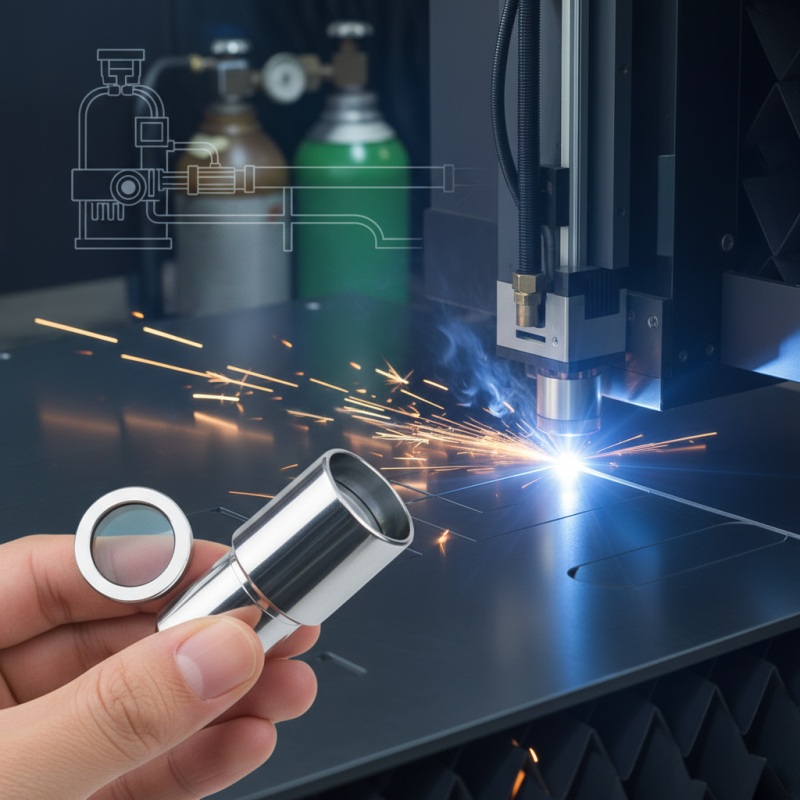
Many factors influence this decision. Material type, thickness, and cutting speed all play crucial roles. Laser cutting consumables include nozzles, lenses, and gases, each designed for specific tasks. Understanding these choices requires experience and knowledge of your equipment.

Errors can occur if you overlook essential specifications. Opting for low-quality consumables may lead to poor cuts or equipment damage. An informed selection process improves both output and lifespan of your tools. Balancing quality with cost is key, but gaps in knowledge can hinder this.
How to Choose the Best Laser Cutting Consumables for Your Needs?

Understanding Laser Cutting Consumables and Their Importance

Understanding laser cutting consumables is crucial for anyone involved in this technology. These materials, such as nozzles, lenses, and gases, significantly influence the quality and efficiency of the cutting process. The right consumables lead to better precision and faster production rates. However, choosing the wrong options can lead to costly errors and waste.

Tips: Consider your project requirements carefully. Different materials and thicknesses demand specific consumable types. Research each option and consult professionals if needed. Don’t hesitate to reach out for expert opinions; your investment in advice can save time and resources later.

Additionally, regular maintenance of consumables is essential. Worn nozzles or dirty lenses can degrade performance and result in flawed cuts. Keep a checklist of maintenance routines. Ignoring this can lead to frustration and diminished output quality. Innovations in materials may appear promising, but always weigh their practicality against proven options. Balancing risk and investment is a part of the learning process in laser cutting.

Factors to Consider When Selecting Laser Cutting Consumables

Selecting the right laser cutting consumables is crucial. It can greatly impact your project's efficiency and quality. Always consider the type of materials you'll be cutting. Different materials require specific types of consumables. For instance, metal cutting might need different lenses than cutting wood. Matching the consumables to your material is essential for achieving clean edges and precise cuts.

Another factor to think about is the thickness of the materials. Thicker materials often require more powerful lasers and consumables that can withstand higher stresses. Pay attention to the recommended specifications for the consumables. This information helps ensure optimal performance. It can save you time and reduce waste. However, not all instructions are straightforward. Some suppliers may have vague advice, leading to frustration.

Compatibility with your laser machine is also critical. Not every consumable works with every model. Researching and ensuring fit is necessary. Some users might overlook this and face issues later on. Quality plays a significant role too. Premium consumables can be more expensive but often yield better results and longevity. It’s worth weighing the upfront costs against long-term benefits. Making informed decisions requires attention to detail and sometimes revisiting choices.

Types of Laser Cutting Gases and Their Applications

When selecting laser cutting gases, understanding their applications is crucial. Different gases serve unique purposes, impacting quality and efficiency. Oxygen is commonly used for cutting steel. It enhances the cutting speed significantly. However, it can introduce oxidation, affecting the finish. For thin materials, nitrogen is a better option. It produces a clean cut without oxidation.

Argon and CO2 are useful for specific applications. Argon is ideal for welding and can be blended with other gases for improved results. CO2 is primarily used in laser systems themselves rather than cutting. Its effectiveness depends on the setup of the laser.

**Tip:** Always conduct tests with different gases on scrap materials. This helps you gauge the quality and suitability for your main project.

Each gas has its pros and cons. Choosing the right one involves understanding your material and desired outcome. Research is essential, as poor choices can lead to wasted resources.

**Tip:** Keep an eye on gas purity. Impurities can impact performance, leading to inconsistent results. Regularly check your supplies to ensure optimal performance.

Choosing the Right Nozzles and Lenses for Optimal Performance

When selecting the right nozzles and lenses for laser cutting, precision is key. The nozzle affects the airflow and material interaction. Different materials require specific nozzle diameters. For example, a 1 mm nozzle works well for thin materials, while a 2 mm nozzle suits thicker materials. According to industry reports, using the incorrect nozzle can lead to suboptimal cutting speeds and increased wear on the equipment.

Lenses also play a crucial role in performance. A quality lens can enhance the focus of the laser beam, significantly impacting the cutting quality. Standard lenses come in various focal lengths. A 2-inch lens is common for general cutting applications, but a 5-inch lens may be better for thicker materials. Research indicates that a lens with a damage threshold above 2.5 J/cm² can improve durability.

Tip: Regularly inspect nozzles and lenses for damage. This maintenance can prevent costly downtime.

Another area for reflection is the interplay between nozzles and lenses. If you fail to match the nozzle size with the lens, it may lead to inconsistent cuts. Assess your materials regularly to fine-tune your selections.

Tip: Keep a log of your cutting settings and materials. This record can help you optimize performance over time.

How to Choose the Best Laser Cutting Consumables for Your Needs?

Consumable Type Material Type Recommended Power Level (W) Optimal Cutting Speed (mm/s) Expected Lifespan (hours)
Nozzle A Mild Steel 1500 300 500
Nozzle B Stainless Steel 2000 250 400
Lens C Aluminum 1000 350 600
Lens D Plastic 750 500 300
Nozzle E Wood 1200 400 800

Budgeting for Laser Cutting Consumables: Cost vs. Quality

When budgeting for laser cutting consumables, understanding the balance between cost and quality is crucial. According to industry research, lower-cost consumables may save money upfront but can lead to higher operational expenses over time. A report from the Laser Cutting Association indicates that using high-quality nozzles and lenses can improve cutting efficiency by 30%. This enhancement often outweighs initial savings from cheaper options.

Quality does not come without a price, though. A recent study showed that investing in premium-grade materials led to a 25% increase in productivity for many users. However, some companies hesitate, opting instead for less expensive alternatives. This choice can result in poor cut quality and increased downtime due to equipment failures.

There’s no one-size-fits-all solution. Organizations must regularly analyze their specific needs. Tracking consumable performance can provide insights into the most cost-effective options. In some cases, high-quality consumables might represent a better long-term investment despite the higher upfront costs. Budgeting should reflect not just immediate expenditures but the overall impact on production quality and efficiency.

Open chat
Scan the code
Bendet Sales Assistant
Hi There👋,
Thank you for visiting our website, How can I help you?