




Choosing the right Soup Cup can significantly impact your business. A well-designed soup cup enhances presentation and customer experience. It reflects your brand's quality and attention to detail.
Think about materials. Options range from ceramic to biodegradable plastics. Each has its advantages and disadvantages. Ceramic provides a premium feel but may be heavy. Plastic offers convenience but can seem less upscale. Consider what aligns with your brand's identity.
The size of the soup cup also matters. Too small might leave customers unsatisfied. Too large can waste food and resources. Reflect on your target audience. Their preferences should guide your choice. Ultimately, the best soup cup balances functionality and appeal, ensuring customer satisfaction.
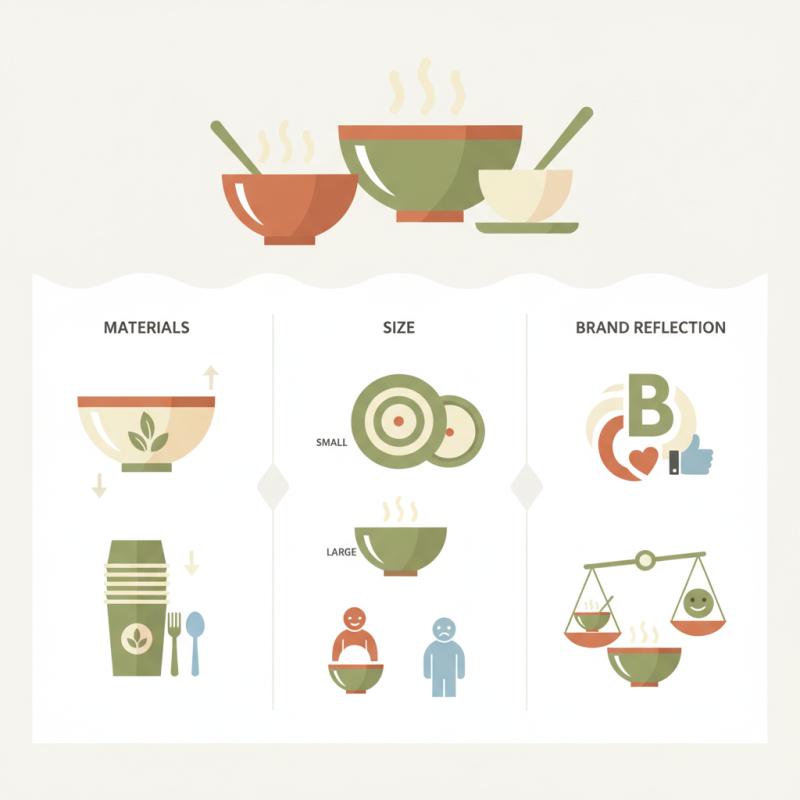
When selecting soup cups for your business, it is crucial to consider several factors. Size and capacity play a vital role. A standard soup cup typically holds between 8 to 12 ounces. Offering a range of sizes can cater to different customer preferences. A report by the Food Service Equipment Reports indicates that 45% of customers prefer larger servings. This trend suggests that many patrons seek value in quantity.
Material choice is another key factor. Common materials include plastic, ceramic, and eco-friendly options. According to a recent survey, 38% of consumers favor sustainable materials. Food safety standards must also be met. Cups should be non-toxic and suitable for various temperatures. Additionally, think about insulation properties. Insulated cups keep soup hot longer, enhancing customer satisfaction.
Design is equally important. Attractive and functional designs can enhance the dining experience. Research by the National Restaurant Association found that 60% of customers are influenced by aesthetics. However, cost is often a concern as well. Balancing quality with budget constraints can be challenging. Your final decision might reflect both your brand identity and your target audience's preferences. Reflecting on these factors can help ensure you make informed choices.
When choosing a soup cup for your business, the material plays a crucial role. Various materials offer unique benefits and limitations. For instance, ceramic offers excellent heat retention. It's also a popular choice for upscale dining. However, it can be fragile, making it less ideal for busy environments.
Stainless steel is another option. It is durable and often more lightweight than ceramic. Stainless steel cups resist temperature changes, keeping soups hot for longer. But they may not offer the same aesthetic appeal as ceramic or glass options.
Tips: Consider the type of service you provide. If quick turnover is crucial, lightweight, durable materials might be your best pick. If presentation matters, a beautiful ceramic presentation could enhance your customer's experience. Reflect on how each material aligns with your brand image.
When selecting soup cups for your business, size and capacity are crucial. Different businesses have varying needs. A small café might require cups that hold 8 to 12 ounces for individual servings. In contrast, a catering service might need larger options, like 16 or 20-ounce cups, to serve larger groups. Choosing the right size helps manage portion control and customer satisfaction.
Consider your menu as well. If your offerings include hearty soups, larger cups are essential. Conversely, for light broths or appetizers, smaller sizes suffice. Also, think about your clientele. Families may prefer bigger portions, while a health-conscious audience might appreciate smaller servings. It’s vital to evaluate customer preferences frequently.
Don’t overlook practical details. Durability, stacking ability, and heat retention are important. A cup might look good, but if it can't hold heat or breaks easily, it’s not worth it. Reflect on your operational flow. Will your staff manage larger cups easily during busy hours? Finding the sweet spot in size and capacity can boost efficiency and enhance the dining experience.
When selecting a soup cup for your business, design and aesthetics play a crucial role. A well-designed soup cup enhances not only the dining experience but also reflects your brand's identity. Consider the shape; rounded or angular designs can evoke different feelings. An elegant, curved cup might suggest comfort, while a sleek, angular cup may convey modernity.
Color also matters. Soft, earthy tones may complement rustic settings, whereas vibrant hues can stand out in casual environments. Patterns or textures can add depth and visual interest too. However, be cautious. Overly complex designs might distract from the soup itself. Aim for something that highlights your offerings, rather than competes with them.
Material choice significantly influences your soup cup's aesthetic appeal. Durable ceramics may evoke quality, while eco-friendly materials can attract conscious consumers. Yet, striking the right balance is essential. Cups should be visually appealing but also practical. Heavy cups may feel luxurious but can be cumbersome. Reflect on your customer base and their preferences. Engaging with your audience will help refine your choices and strike a balance between style and functionality.
When selecting soup cups for your business, cost-effectiveness is crucial. According to industry reports, packaging typically accounts for around 25% of total food costs. Understanding this can reshape your budgeting strategies. Evaluate the materials used in soup cup production. For instance, biodegradable options may initially cost more but can yield long-term savings through reduced waste management fees.
Many restaurants overlook the importance of portion control. Utilizing standard sizes not only meets customer expectations but can also decrease food wastage. Research data suggests that more than 10% of food is wasted due to excessive portions. Implementing smaller cup sizes can lead to significant savings while maintaining customer satisfaction.
Tip: Always compare different suppliers before finalizing a purchase. This practice can reveal significant price differences that impact your budget.
Another aspect to consider is the durability of the cups. Investing in sturdy materials may seem expensive upfront. Yet, they can withstand heat and transport better, proving cost-effective in the long run. Evaluation of these factors is essential. Consider testing several types before committing to a bulk order. This approach will refine your choice based on both performance and cost efficiency.
Hein Minnie
Cell nr: +27 (0) 82 564 6501
Email: sale@thecirclemachine.com
Hein Minnie Jnr
Cell nr: +27 (0) 84 284 7234
Email: sale@thecirclemachine.com
Address:
10 Apsey Street,
Heidelberg,
Gauteng,
1441
Bendet Engineering Services (PTY) LTD was established in 1987. Our team of engineers and draughtsman are ready to deliver a complete turnkey solution, from the design phase to commissioning. A dedicated team that consists of electrical, mechanical and industrial engineers, we are able to offer a comprehensive service to our clients.