How to Choose the Best 4x2 Dump Truck?
Choosing the best 4x2 Dump Truck starts with the jobsite, not the brochure.
A 4x2 chassis suits operators who value lower tare weight, tighter turning, and simpler maintenance. It can work efficiently on paved roads, urban construction sites, and firm gravel. However, deep mud, steep grades, and frequent off-road loading may expose its limits. That uncomfortable detail matters.
The NTEA Work Truck Industry Overview and ACT Research’s North American Commercial Vehicle Outlook both show how vocational truck demand follows construction activity, fleet replacement cycles, and operating costs. These reports support a careful buying approach. A low purchase price can become expensive when payload, fuel use, downtime, and tire wear are ignored. Check the truck’s GVWR, axle ratings, wheelbase, body volume, hydraulic system, and actual payload together. They must match the material and route.
Mike Roeth, executive director of the North American Council for Freight Efficiency, has repeatedly emphasized a practical fleet principle: “Measure before you optimize.” For a 4x2 Dump Truck, that means recording daily mileage, load weight, idle time, road conditions, and unloading frequency before choosing specifications. Real experience often reveals gaps in the original plan.
Picture two trucks leaving a quarry. One carries more material but struggles in narrow streets. The other turns easily but reaches its payload limit too soon. Neither is automatically better.
A reliable choice also includes service access, parts availability, warranty support, and operator visibility. Independent inspections and verified manufacturer data remain essential. Some specifications look impressive on paper, yet perform poorly under constant stop-and-go hauling. That is where buyers should pause, question assumptions, and choose the truck that fits measurable work rather than attractive promises.
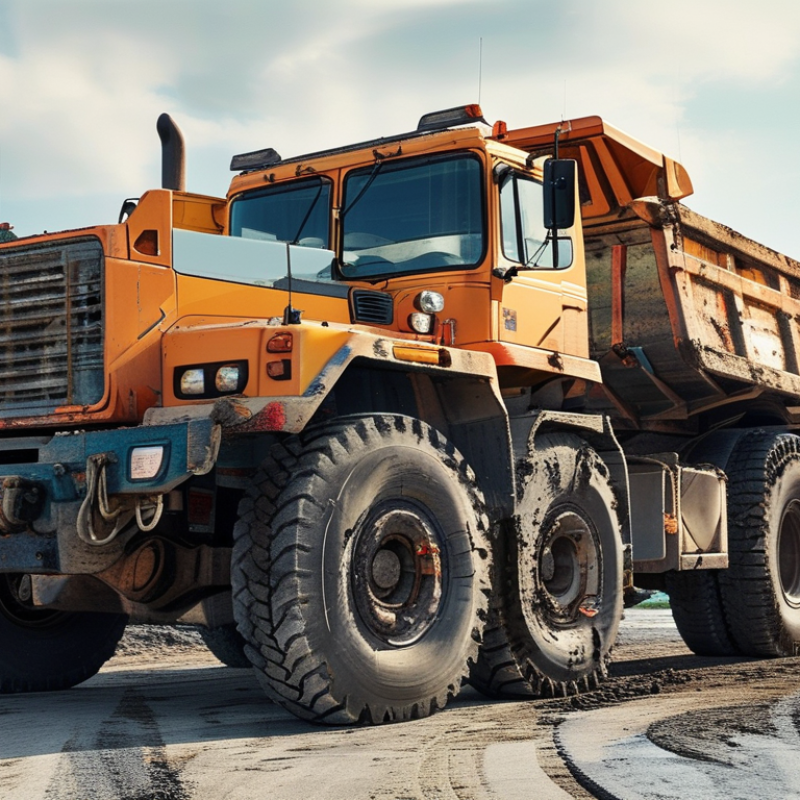
Understanding the Role and Applications of a 4x2 Dump Truck
A 4x2 dump truck uses one powered rear axle and one steering axle. This layout suits urban construction, landscaping, road maintenance, and short quarry routes. It usually offers a tighter turning circle than heavier multi-axle trucks. That matters on narrow streets and crowded building sites. The U.S. Federal Highway Administration’s Freight Analysis Framework 5.6 projects freight tonnage to rise by about 50% between 2020 and 2050. More local material movement will require practical, maneuverable vehicles.
Its role is not simply carrying the largest possible load. A contractor should match payload, body volume, axle rating, and route conditions. A 4x2 can move sand, gravel, soil, or demolition material efficiently when legal payload limits are respected. The 2024 American Trucking Research Institute report placed average trucking operating costs at over 20 cents per mile for fuel alone. Short routes still punish poor fuel choices. Frequent stops, steep ramps, and long idling periods can quickly change the calculation.
The body design also affects daily performance. A high-sided body carries more loose material, while a reinforced floor handles abrasive stone better. Hydraulic cycle time matters when loading and unloading repeatedly. The U.S. Environmental Protection Agency’s emissions reporting shows heavy-duty vehicles remain a major transportation emissions source. Modern engines and maintenance reduce waste, but they do not fix an oversized specification. A tidy spreadsheet can miss muddy access roads, uneven loading, or driver visibility. I would inspect those details before trusting a brochure figure.
Assessing Payload, Engine Power, and Drivetrain Requirements
How to Choose the Best 4x2 Dump Truck?
A 4x2 dump truck should match the material, route, and daily workload. Start with payload, not bed size. Calculate the weight of soil, gravel, or demolition material carried on a typical trip. Then compare it with the truck’s rated payload and axle limits. A full-looking bed can still overload the chassis. It also increases braking distance, tire wear, and suspension stress. Weighbridge records from similar jobs can provide more reliable data than estimates. Real work is rarely perfectly consistent.
Engine power matters when the truck climbs grades or leaves loading sites repeatedly. Torque at low engine speed helps during slow starts with a heavy body. However, excessive power may raise fuel use without improving productivity. Review the engine’s torque curve, transmission ratios, cooling system, and expected idle time. A truck working in city traffic needs responsive performance, not only a high peak-power figure. I have seen specifications look impressive, yet the truck struggled when fully loaded on a steep access road.
Tips: Match the drivetrain to the ground conditions. A 4x2 is efficient on paved roads and firm construction sites. It may lose traction in deep mud, loose sand, or wet inclines. Check rear-axle traction aids, tire tread, gradeability, and load distribution. Leave a practical reserve below maximum ratings. That margin is easy to overlook. Test the truck on your actual route before purchasing, because a short demonstration may hide weaknesses.
How to Choose the Best 4x2 Dump Truck?
Compare typical 4x2 dump truck requirements by application. Payload capacity, engine power, and torque should be matched to the material weight, haul distance, road gradient, and operating environment.
The figures represent common industry planning ranges for medium-duty 4x2 dump truck applications. Actual specifications vary according to gross vehicle weight, body design, axle ratings, transmission, and local regulations.
Comparing Body Design, Dimensions, and Dumping Mechanisms
How to Choose the Best 4x2 Dump Truck?
Comparing Body Design, Dimensions, and Dumping Mechanisms
A 4x2 dump truck should match the worksite, not only the advertised payload. A shorter wheelbase usually improves turning in narrow streets and crowded construction areas. However, an overly short chassis may reduce stability when carrying a tall load. Measure the available loading space carefully. A body around 3.5 to 5 meters long can suit different projects, but actual capacity depends on material density. Gravel and wet soil demand different calculations. Do not judge volume alone.
Body design affects daily productivity. A reinforced steel floor handles abrasive stone better, while lighter materials can increase usable payload. Check sidewall height, tailgate clearance, hinge strength, and the distance between the cab and body. Small details matter. A high center of gravity can make uneven ground feel uncomfortable. I would also inspect weld quality and drain points, since trapped water often causes early corrosion.
Dumping mechanisms deserve equal attention. A rear-tipping body is simple and widely useful, but it needs enough clearance behind the truck. A three-way mechanism offers better flexibility on restricted sites, though it adds weight and maintenance points. Hydraulic telescopic cylinders provide strong lifting force, while scissor hoists can offer steadier support under heavy loads. Confirm the rated angle, cycle time, hydraulic pressure, and emergency lowering procedure through technical documents. A larger mechanism is not automatically better. My checklist has changed after seeing operators choose capacity they rarely use. Reliable selection comes from matching dimensions, material, terrain, and service access.
Evaluating Safety Features, Durability, and Driver Comfort
Choosing a 4x2 dump truck starts with how safely it behaves under daily pressure. Inspect the frame, suspension, braking system, and body hinges before comparing engine output. A stable truck should resist excessive leaning when its load shifts on uneven ground. Look for anti-lock braking, traction control, bright work lamps, wide mirrors, and a clear reversing view. A practical cab also needs strong steps and handrails. Small details prevent awkward climbs.
Durability is more than thick steel. Repeated loading can expose weak welds, loose fasteners, and poorly protected wiring. Check the dump body floor, hydraulic lines, axle housings, and frame joints for impact marks or corrosion. A useful maintenance record should show service intervals and repairs, not vague promises. Choose components that mechanics can inspect without removing half the truck. That saves downtime. No truck is indestructible. Overloading, harsh roads, and skipped lubrication can defeat excellent engineering.
Driver comfort directly affects attention during long shifts. Adjustable seating, low cabin noise, smooth steering, and reachable controls reduce fatigue. The seat should support the lower back without trapping the driver in one position. Check pedal spacing while wearing work boots. Try the truck before purchase. A short drive can reveal vibration, blind spots, or a stiff clutch. It is easy to underestimate mirror adjustment, yet that small oversight can make site maneuvering slower and less confident. A loaded test is valuable, although many buyers skip it.
Calculating Purchase Costs, Maintenance Needs, and Long-Term Value
Choosing the best 4x2 dump truck requires more than comparing purchase prices. Calculate the complete entry cost, including the chassis, dump body, hydraulic system, delivery, financing, insurance, registration, and initial tires. A cheaper truck may carry an unsuitable body or require expensive hydraulic modifications. Check its rated payload, axle capacity, turning radius, and daily route conditions before signing.
Maintenance deserves careful measurement. ATRI’s An Analysis of the Operational Costs of Trucking reports repair and maintenance costs of roughly $0.20 per mile in its latest cost update. A dump truck working on rough construction roads may exceed that figure. Inspect frame joints, suspension bushings, brake wear, PTO components, and body-floor corrosion. Service records matter more than a clean exterior. They show whether preventive work was actually completed. Small leaks become expensive downtime.
Fuel also affects long-term value. The U.S. Department of Energy estimates that a heavy-duty diesel truck can consume about 0.8 gallons per hour while idling. Track idle hours, fuel use, tire replacement, and unplanned repairs separately. I once underestimated downtime because the mileage looked low. That estimate was too optimistic. Compare the expected annual operating cost with the truck’s useful years and realistic resale value. A strong purchase usually has predictable costs, accessible maintenance points, and enough capacity without carrying unnecessary weight.
How to Choose the Best 4x2 Dump Truck? - Calculating Purchase Costs, Maintenance Needs, and Long-Term Value
| Evaluation Area | Metric | Unit | Generic 4x2 Dump Truck Profiles |
Light-Duty
Urban / Utility | Medium-Duty
General Construction | Heavy-Duty
High-Volume Hauling |
| Capacity and Use | Typical GVWR | lb | 19,500 | 26,000 | 33,000 |
| Typical payload capacity | short tons | 8.0 | 12.0 | 15.5 |
| Recommended body volume | cu yd | 8–10 | 10–14 | 14–18 |
| Best operating environment | Typical use | Urban delivery, landscaping, light aggregate | Mixed construction, municipal, aggregate work | Quarries, road building, high-volume material hauling |
| Typical wheelbase | in | 140–158 | 152–176 | 170–200 |
| Purchase Cost | Estimated new purchase price | USD | $95,000 | $125,000 | $160,000 |
| Dump body and hydraulic equipment allowance | USD | $25,000–$35,000 | $32,000–$45,000 | $42,000–$58,000 |
| Estimated acquisition tax, registration, and setup | % of purchase price | 6%–10% | 6%–10% | 6%–10% |
| Estimated 5-year resale value | % of original price | 35%–45% | 40%–50% | 35%–45% |
| Estimated 5-year depreciation | USD | $52,250–$61,750 | $62,500–$75,000 | $88,000–$104,000 |
| Operating Costs | Expected fuel economy | US mpg | 6.5–7.2 | 5.8–6.5 | 4.8–5.6 |
| Annual distance assumption | miles | 30,000 | 30,000 | 30,000 |
| Diesel price assumption | USD / gallon | $4.00 | $4.00 | $4.00 |
| Estimated annual fuel cost | USD | $16,667–$18,462 | $18,462–$20,690 | $21,429–$25,000 |
| Routine maintenance allowance | USD / mile | $0.18–$0.24 | $0.22–$0.30 | $0.28–$0.38 |
| Estimated annual maintenance cost | USD | $5,400–$7,200 | $6,600–$9,000 | $8,400–$11,400 |
| Maintenance Needs | Engine oil and filter service interval | miles | 10,000–15,000 | 10,000–15,000 | 10,000–15,000 |
| Tire replacement allowance | USD / year | $1,800–$2,600 | $2,400–$3,500 | $3,200–$4,800 |
| Brake and suspension allowance | USD / year | $1,200–$2,000 | $1,500–$2,500 | $2,000–$3,500 |
| Hydraulic system inspection | Recommended frequency | Every 6 months | Every 6 months | Every 3–6 months |
| Maintenance complexity | Relative level | Low to moderate | Moderate | Moderate to high |
| Five-Year Ownership Value | Estimated 5-year fuel cost | USD | $83,333–$92,308 | $92,308–$103,448 | $107,143–$125,000 |
| Estimated 5-year maintenance cost | USD | $27,000–$36,000 | $33,000–$45,000 | $42,000–$57,000 |
| Estimated 5-year insurance and permits | USD | $35,000–$50,000 | $42,000–$60,000 | $52,000–$75,000 |
| Estimated 5-year total cost of ownership | USD | $197,583–$240,058 | $229,808–$283,448 | $289,143–$361,000 |
| Estimated ownership cost per payload ton-mile | USD / ton-mile | $0.165–$0.200 | $0.128–$0.157 | $0.125–$0.156 |
| Selection Guidance | Choose this profile when | Decision rule | Maneuverability and lower entry cost are priorities | Payload, flexibility, and cost balance are priorities | Maximum legal payload and high utilization justify the added cost |
| Main advantage | Strength | Lower purchase price and easier urban operation | Strong balance of payload, operating cost, and versatility | Highest productivity on heavy material routes |
| Main limitation | Risk | Lower payload can increase trips and labor cost | Higher cost than light-duty units | Higher fuel, tire, maintenance, and capital costs |
| Overall value indication | Assessment | Best for light or mixed urban workloads | Best all-around choice for most construction fleets | Best only when utilization and payload demand are consistently high |
Cost figures are planning estimates in 2026 USD for comparison purposes. Actual costs vary by local taxes, labor rates, road conditions, payload density, financing, fuel prices, duty cycle, tire specifications, and annual mileage. Always confirm legal axle limits, GVWR, payload, and body dimensions before purchase.