







Choosing the right Die Cutting Machine can shape production quality, operating costs, and daily workflow. A model that looks impressive in a catalogue may struggle with thick leather, layered paper, foam, or delicate labels. The best choice depends on material, cutting size, pressure, speed, repeatability, and available floor space. Small details matter. A workshop processing 500 paper sheets weekly needs different equipment from a packaging line cutting rigid board every hour.
This guide examines the practical factors behind a reliable purchase. It considers manual, hydraulic, rotary, and digital systems, along with blade compatibility, software, maintenance access, noise, and operator safety. Check the machine’s stated cutting force against real materials, not only sample specifications. Ask suppliers for test cuts using your own substrate. That step can reveal frayed edges, uneven pressure, or slow setup times before payment. Documentation, warranty terms, spare-part availability, and verified safety features also deserve careful attention. A low purchase price may become expensive when downtime or specialist servicing appears. Noise matters too. In a small studio, a loud motor can affect concentration and customer experience. It is easy to focus on maximum speed, although dependable alignment may matter more. Some recommendations remain imperfect because production conditions change. Humidity, blade wear, operator training, and material variation can alter results. Therefore, compare evidence, record trial results, and question attractive claims. The right Die Cutting Machine should fit your real process, not an imagined one. Expect trade-offs. Reliability usually rewards careful evaluation.
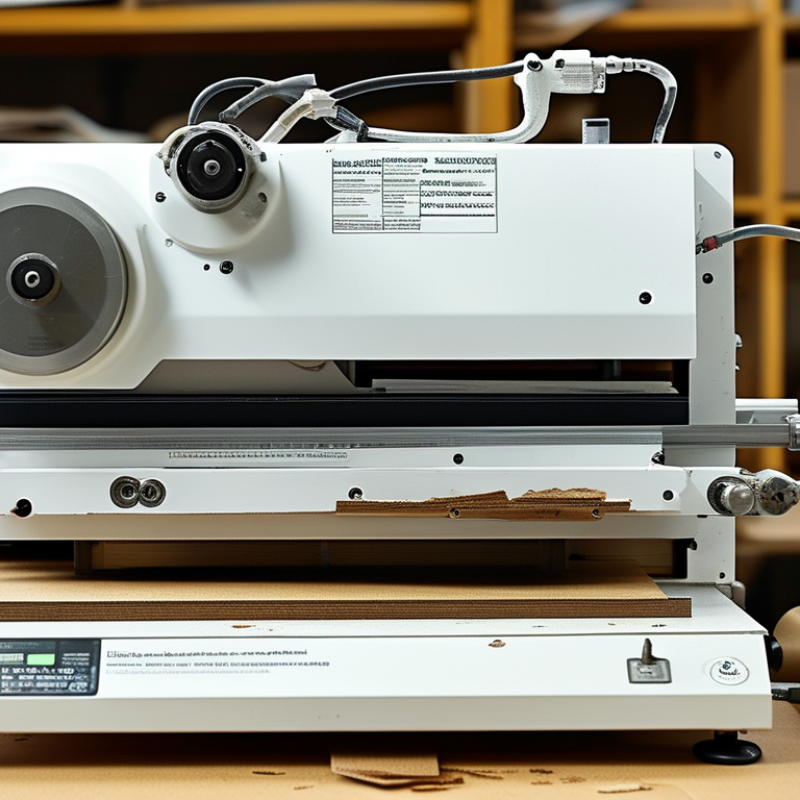
A die cutting machine converts flat materials into repeatable shapes. A shaped die presses through paperboard, film, label stock, foam, or thin sheets. Depending on the setup, it can cut, crease, perforate, emboss, or kiss-cut. Rotary systems suit continuous rolls. Flatbed systems suit sheets and shorter runs. The choice affects speed, setup time, tooling cost, and edge quality.
Its applications are broad. In packaging, it produces cartons, sleeves, inserts, windows, and protective pads. In label production, kiss-cutting separates labels from liners without damaging the backing. Print shops use it for folders, cards, and presentation pieces. Converters also process gasket materials, insulation films, and technical laminates. Smithers’ 2024 packaging forecast places the global packaging market above 1.2 trillion dollars by 2028. That scale makes stable cutting and low waste important.
When choosing a machine, start with material, not advertised speed. Check the thickest board, narrowest label, and longest production run. PMMI’s 2024 U.S. Packaging Machinery Shipments report valued shipments at approximately 10.2 billion dollars in 2023. This reflects continued investment in automated production. Yet automation is not automatically better. A fast line can create more waste when registration drifts or tooling changes slowly. I would measure usable output, changeover time, noise, and operator access. Small details matter. A perfect cut is not always the best cut. Sample testing remains essential, because material behavior can surprise experienced operators.
| Machine Type | How It Works | Typical Materials | Common Applications | Main Advantages | Key Limitations | Best Suited For |
|---|---|---|---|---|---|---|
| Flatbed Die Cutting Machine | A flat platen presses a shaped die vertically through sheet or web material. | Paper Cardboard Corrugated board Foam Rubber Gaskets | Boxes, cartons, labels, foam inserts, insulation parts, seals, and short-run packaging. | High cutting accuracy, strong cutting pressure, and good control for thicker or layered materials. | Usually slower than rotary systems for very large production volumes; tooling changes can require setup time. | Short to medium production runs, prototypes, thick materials, and jobs requiring precise registration. |
| Rotary Die Cutting Machine | A cylindrical die cuts material continuously as the web passes between rotating cylinders. | Paper Film Foil Adhesive laminates Thin nonwovens | Self-adhesive labels, tapes, medical disposables, flexible packaging, and electronic component films. | Continuous operation, high throughput, consistent repeatability, and efficient waste removal. | Rotary tooling is less economical for frequent design changes and is generally less suitable for very thick board. | Long production runs using roll-fed materials and repeated shapes. |
| Digital Die Cutting Machine | A computer-controlled knife, blade, or routing tool cuts files without a physical steel-rule die. | Paperboard Corrugated board Vinyl Foam board Textiles Thin plastics | Samples, custom packaging, point-of-sale displays, signage, prototypes, and personalized products. | No dedicated die cost, fast artwork changes, low-volume flexibility, and suitable for variable designs. | Cutting speed and material thickness may be lower than those of industrial mechanical presses. | Prototyping, short runs, on-demand production, and products with frequent design variations. |
| Laser Die Cutting System | A focused laser beam vaporizes, melts, or thermally separates material along a programmed path. | Paper Film Textiles Wood veneer Some plastics | Fine perforations, intricate packaging designs, textile components, labels, and precision prototypes. | Very fine detail, no physical cutting die, quick digital changeovers, and non-contact processing. | Heat can discolor, melt, or leave an edge effect on sensitive materials; ventilation and safety controls are required. | Intricate patterns, small features, digital customization, and applications where tooling-free cutting is valuable. |
| Steel-Rule Die Cutting Machine | Hardened steel rules mounted in a die board cut, crease, or perforate material under pressure. | Paperboard Corrugated board Leather Foam Felt Gaskets | Folding cartons, protective packaging, footwear components, industrial pads, and fabricated parts. | Versatile tooling, clean mechanical cuts, and the ability to combine cutting, creasing, and perforating. | A custom die is required for each design; blade wear and setup alignment affect quality. | Repeat production of flat parts and packaging with consistent shapes and creases. |
| Web-Fed Die Cutting Machine | Material is supplied from a continuous roll and processed through cutting, stripping, slitting, or laminating stations. | Labels Adhesive tapes Films Foils Nonwoven rolls | Label converting, tape production, flexible packaging, hygiene products, and multilayer adhesive components. | Reduced manual handling, efficient material feeding, high production continuity, and integration with multiple processes. | Requires accurate web tension and registration control; setup may be complex for changing product formats. | High-volume roll-to-roll manufacturing with stable designs and continuous material supply. |
| Sheet-Fed Die Cutting Machine | Individual sheets are positioned and pressed or processed one at a time through the cutting area. | Paper Cardstock Corrugated sheets Synthetic sheets | Commercial cartons, greeting cards, folders, presentation materials, and printed packaging. | Good sheet registration, straightforward job separation, and compatibility with printed sheets. | Handling individual sheets can limit speed compared with continuous web-fed production. | Printed packaging and graphic products produced in sheet formats. |
| Hydraulic Die Cutting Machine | A hydraulic cylinder generates pressing force to drive the cutting platen or die. | Rubber Leather Foam Textiles Composite sheets | Industrial gaskets, footwear parts, insulation, upholstery components, and layered material blanks. | High force capacity and suitability for dense, thick, or stacked materials. | Generally slower and more energy-intensive than some mechanical or digital alternatives; hydraulic maintenance is required. | Heavy-duty cutting where pressing force is more important than rapid design changes. |
| Manual or Semi-Automatic Die Cutting Machine | An operator loads material and activates a mechanical, pneumatic, or compact powered cutting cycle. | Paper Cardboard Foam Leather Fabric | Craft products, small packaging batches, workshops, educational projects, and maintenance parts. | Lower initial complexity, simple operation, and practical for low-volume work. | Lower output, greater operator involvement, and less automation than industrial production systems. | Small businesses, workshops, training environments, and occasional cutting requirements. |
| Key Selection Factor | Choose the machine according to material type and thickness, maximum sheet or web width, required cutting force, production volume, shape complexity, tolerance requirements, changeover frequency, available floor space, operator skill, tooling cost, and desired level of automation. | |||||
Note: Actual production speed, cutting force, working area, material thickness, and achievable tolerance depend on the machine configuration, die design, material properties, number of layers, and operating conditions. Always verify technical specifications with the equipment supplier before purchase.