



Choosing the right gluing machine can significantly impact your business. According to industry expert Dr. Sarah Thompson, “A well-chosen gluing machine can enhance productivity and reduce waste.” With many options available, it’s crucial to understand your specific needs.
Different businesses require different types of gluing machines. For instance, packaging companies may need high-speed models for efficiency. In contrast, artisanal businesses might prioritize precision over speed. Each machine has its unique features that cater to different applications, which can lead to confusion.
Investing in the wrong gluing machine can cause frustration and inefficiency. It's essential to analyze your production requirements thoroughly. Consider factors like adhesive type, production volume, and automation level. A thoughtful selection process can lead to a reliable and efficient workflow.
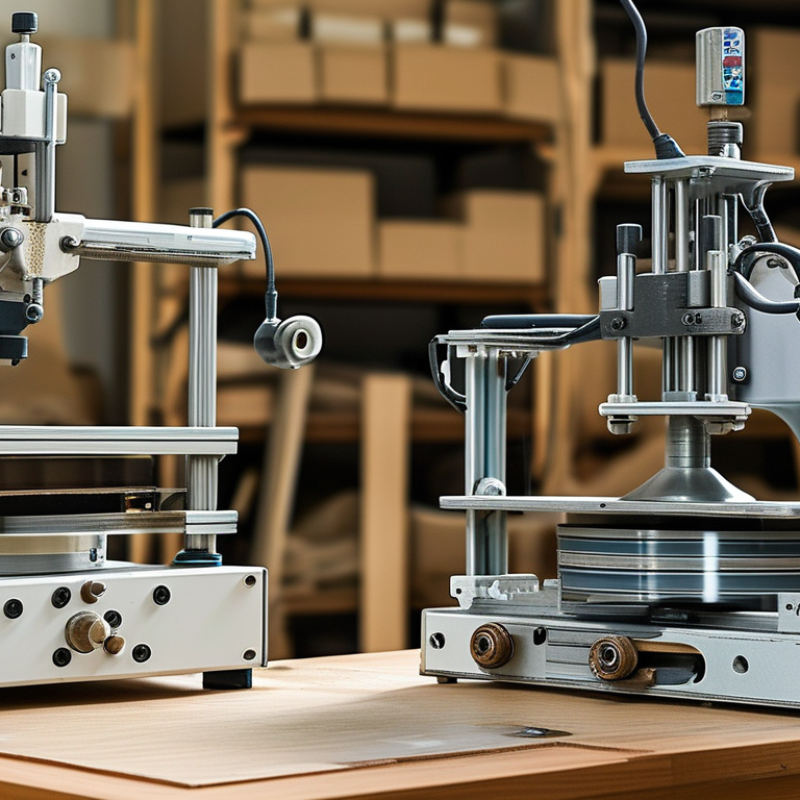
When selecting a gluing machine, understanding the types available is crucial. There are several categories, each catering to specific needs. Hot melt glue machines, for instance, are popular in packaging and woodworking. They provide strong bonds quickly, ideal for high-volume operations. According to the Adhesive and Sealant Council, hot melt adhesives capture a significant market share, around 30%, due to their versatility.
Cold glue machines are another option. They use water-based adhesives, which are safer and more environmentally friendly. This type is prevalent in label applications and paper products. Industry reports indicate a growing interest in eco-friendly options, driven by regulations and consumer preferences. Surprisingly, some businesses feel hesitant to transition due to perceived complexities.
Both types have their pros and cons. Hot melt machines excel in speed but may require high initial investments. Cold glue equipment is easier to maintain but may not bond as quickly. It’s essential to evaluate your production needs. Real-world experiences reveal that many companies underestimate the importance of thorough testing before committing to a machine. Consider trial runs to understand functionality better.
| Type of Gluing Machine | Application | Speed (Units per Hour) | Operating Mechanism | Average Cost ($) |
|---|---|---|---|---|
| Automatic Gluing Machine | High-volume production | 1000+ | Fully automated | 5000 - 15000 |
| Semi-Automatic Gluing Machine | Medium-volume production | 300 - 1000 | Semi-automated | 2000 - 5000 |
| Manual Gluing Machine | Low-volume production | 100 - 500 | Manual operation | 500 - 2000 |
| Slot-Die Adhesive Applicator | Precision applications | 500 - 1200 | Precision automated | 3000 - 10000 |
| Hot Melt Glue Gun | Light assembly work | Variable | Manual to semi-automated | 100 - 500 |
When considering a gluing machine for your business, it's essential to evaluate your specific needs. Different applications require various types of gluing machines. Understanding your production volume, the materials you'll work with, and your desired finish quality can significantly influence your choice.
Think about your operational workflow. A machine that integrates well with existing processes can enhance efficiency. For example, if you often deal with delicate materials, a machine designed for precision is critical. Consider testing multiple machines to assess their fit for your work environment.
Tips:
When selecting a gluing machine, consider the key features that meet your business’s needs. Consistency is vital. A machine should apply glue uniformly to ensure product quality. Look for models with adjustable glue quantities. This flexibility allows you to optimize glue use and reduce costs.
Speed matters, too. Workflow efficiency can be greatly impacted by the machine’s speed. Ideally, a machine should keep pace with your production line. However, choosing speed shouldn't compromise quality. Maintaining bond strength is critical. A faster machine that weakens bonds could lead to increased returns.
Tips: Evaluate the machine's maintenance requirements. A machine that is hard to maintain can lead to downtime. Always check for user-friendly controls. Complicated setups can waste time. Lastly, paying attention to customer reviews can offer insights into a machine's reliability. The experiences of others can guide your decision-making process effectively.
When considering a gluing machine for your business, budgeting is crucial. Industry reports suggest that costs can vary widely. Entry-level machines may range from $1,000 to $5,000, while advanced models can exceed $20,000. This disparity depends on features like speed, capacity, and technology.
Understanding your specific needs helps narrow the options. For example, a small artisan shop might benefit from a manual or semi-automatic model, keeping initial costs low. In contrast, a large-scale operation may require high-speed, automated machines. This choice significantly impacts overall productivity and labor costs.
Maintenance costs are another factor. Regular servicing can add up, with annual expenses often estimated at 10-15% of the machine's purchase price. Some users overlook this expense, leading to unexpected budget strains. Investing in employee training on proper operation can mitigate risks and improve efficiency over time. Balancing purchase cost with long-term maintenance will yield a more informed decision.
Maintenance is crucial for the longevity of gluing machines. Regular check-ups can identify issues before they escalate. Inspecting parts like nozzles and adhesive containers should be routine. Regular maintenance helps maintain efficiency. If problems arise, they need quick resolution. Delays can disrupt production schedules.
Support is equally important. Ensure access to trained technicians for repairs and service. Knowledgeable staff can provide valuable insights. They can also guide you on optimal usage. The complexity of gluing machines varies. Some may need special training for operators. Investing in a reliable support system pays off in efficiency.
Documentation is another factor to consider. Having manuals or online resources is beneficial. They offer troubleshooting tips and operational advice. This helps minimize downtime. However, ensure these resources are user-friendly. Complicated guides can frustrate users. Balancing technicality with simplicity is vital for effective support.
Hein Minnie
Cell nr: +27 (0) 82 564 6501
Email: sale@thecirclemachine.com
Hein Minnie Jnr
Cell nr: +27 (0) 84 284 7234
Email: sale@thecirclemachine.com
Address:
10 Apsey Street,
Heidelberg,
Gauteng,
1441
Bendet Engineering Services (PTY) LTD was established in 1987. Our team of engineers and draughtsman are ready to deliver a complete turnkey solution, from the design phase to commissioning. A dedicated team that consists of electrical, mechanical and industrial engineers, we are able to offer a comprehensive service to our clients.