2026 How to Choose the Best Paint Booth for Your Needs?
Choosing the right paint booth is crucial for efficiency and quality in any paint application process. Industry expert Mark Johnson, a leader in paint booth technology, states, “Selecting the right paint booth can significantly enhance your workflow.” This highlights the importance of making informed decisions.
When investing in a paint booth, you must consider various factors. The size, airflow, and filtration systems all play critical roles. Each choice directly affects performance and product quality. For instance, a poorly designed booth can lead to uneven finishes.
However, not all booths are created equal. Many buyers overlook essential details, like proper ventilation or lighting. These mistakes can result in wasted time and resources. It's vital to reflect on your specific needs and assess options thoroughly. A misstep in selection can have lasting repercussions for your projects.
Understanding Different Types of Paint Booths Available on the Market
When selecting a paint booth, it's crucial to understand the various types available. There are two primary categories:
open-front and closed booths.
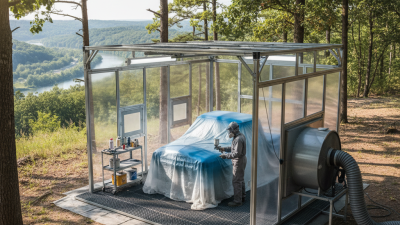
Open-front booths are often used for smaller projects. They offer easier access and lower cost. However, they may not provide adequate containment of overspray, leading to a messier work environment.
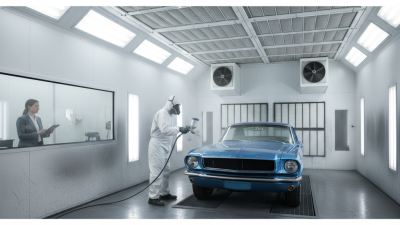
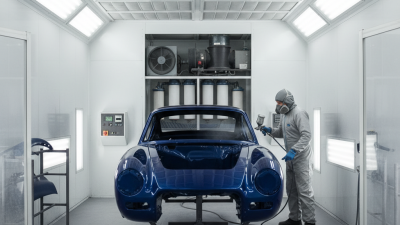
Closed booths, on the other hand, are designed for larger operations. They feature built-in filtration systems. This helps to manage airborne particles effectively. While they have a higher initial investment, they can improve paint quality and reduce waste. Additionally, their controlled environment enhances safety for workers.
Another important aspect is the size. A booth should accommodate the largest project you plan to undertake. It's common to underestimate space requirements. Always consider future needs when choosing the size.
Ventilation is also vital. Inadequate airflow can lead to hazardous conditions. Evaluate your workspace to ensure that selected booths meet safety standards.
Key Considerations for Sizing Your Paint Booth Effectively
Choosing the right paint booth requires careful consideration of size and specifications. Proper sizing is crucial. Industry reports indicate that nearly 70% of businesses encounter inefficiencies due to inadequate booth space. An effective paint booth should accommodate your largest item while allowing space for equipment.
Consider your workflow. An optimal booth should enable a seamless process from preparation to finishing. The dimensions of your booth should facilitate easy maneuverability. A well-sized booth minimizes overspray and maximizes output quality.
Evaluate ventilation requirements based on booth size. Larger booths often need advanced ventilation systems to ensure air circulation. Ineffective ventilation can lead to safety hazards. Remember, a booth that's too small can hinder production rate and quality, leading to increased operational costs.
Think about future growth. Your painting needs may evolve over time. A booth that meets only current demands might become inadequate. Always plan for expansion. Adjusting a small booth later can be much more costly than investing in a slightly larger model now.
Evaluating Airflow and Ventilation Needs in a Paint Booth
When selecting the best paint booth, evaluating airflow and ventilation is crucial. According to industry reports, proper airflow helps maintain the integrity of the painting process. It prevents dust and contaminants from settling on wet paint, which can compromise the finish quality. Airflow should ideally be designed to achieve a consistent velocity of 100 to 150 feet per minute. This helps in effective overspray removal and provides adequate ventilation for safe operation.
Inadequate ventilation can lead to harmful fumes building up in the booth. The American National Standards Institute recommends that paint booths have a minimum of six air changes per hour. Effective ventilation minimizes inhalation risks for workers and ensures compliance with safety regulations. However, many setups fail to meet these standards due to poor planning or budget constraints. This oversight can lead to inefficiencies and costly rework if the paint does not cure properly.
It’s also important to consider the type of paint being used. Solvent-based paints often require more stringent ventilation than water-based options. Adjusting airflow for different materials can be challenging. A booth that performs well for one type of spray may not suffice for another. Ensuring flexibility in airflow settings and maintaining regular checks can mitigate these issues. Proper planning and evaluation of ventilation needs are foundational to an effective paint booth setup.
2026 How to Choose the Best Paint Booth for Your Needs?
This chart evaluates the airflow and ventilation needs in various types of paint booths based on cubic feet per minute (CFM) requirements. The data represents common standards for different booth sizes.
Assessing Safety Features and Compliance Standards for Paint Booths
When selecting a paint booth, safety features and compliance standards are critical. According to the Occupational Safety and Health Administration (OSHA), proper ventilation is essential to minimize harmful exposure to chemicals. Paint booths must provide sufficient airflow to ensure the safety of operators and minimize the risk of fire.
Inspecting features such as explosion-proof lighting and fire suppression systems is important. Data from the National Fire Protection Association (NFPA) indicates that fire incidents in paint booths can be significantly reduced with proper design and maintenance. Regular inspections and adherence to the National Fire Code can help businesses maintain safety.
Tips for evaluating safety standards include checking compliance with ASTM and NFPA guidelines. Always ask for documentation proving that the booth meets these requirements. Consider the experiences of others—look for user reviews that highlight safety performance. A booth may appear state-of-the-art but should also pass the real-world test of safety in operation. Choosing a booth that prioritizes safety and compliance can prevent costly accidents and promote a secure working environment.
Budgeting for Initial Purchase and Ongoing Maintenance Costs
When budgeting for a paint booth, it’s essential to understand both initial purchase costs and ongoing maintenance expenses. A high-quality paint booth can range from $10,000 to over $100,000, depending on size and features. Many businesses overlook additional costs that arise after installation. Reports indicate that approximately 20% of businesses underestimate maintenance costs, which can also reach thousands annually.
Regular maintenance is crucial for efficiency and safety. Many industry experts suggest budgeting about 5-10% of the initial cost annually for upkeep. This includes filter replacements, fan servicing, and potential repairs. Neglecting these can lead to significant downtimes, affecting overall production. In fact, research shows that companies with poor maintenance practices can see increases in operational costs by up to 15%, which can be detrimental for small businesses.
Energy efficiency also plays a role in ongoing expenses. Paint booths consume a considerable amount of electricity. Estimates suggest that energy costs can account for nearly one-third of the overall operating costs. Investing in energy-efficient models initially may seem costly, but it can save substantial money down the line. Evaluating total cost of ownership helps ensure that the booth chosen aligns with both budget constraints and operational efficiency needs.