How to Choose the Best Wood Walls for Your Project?
When considering Wood Walls for your next project, several factors come into play. The market for wood products is expected to reach $517 billion by 2027, demonstrating a growing trend towards natural materials in design. Wood Walls offer a unique aesthetic that can enhance both residential and commercial spaces. Research indicates that wood can improve indoor air quality and increase user comfort.
Choosing the right type of wood is crucial. Softwoods can be more affordable and lightweight, while hardwoods offer durability and richness in appearance. Different finishes can also affect how Wood Walls complement existing décor. However, it's important to note that not all wood species are sustainable.
Some wood options may pose concerns regarding moisture and pest resistance. Reflecting on the environmental impact of your choice is vital. There is often a trade-off between aesthetics and sustainability. Crafting a balance that meets your project's needs can be challenging but ultimately rewarding. The right Wood Walls can transform a space, making the selection process essential for achieving a lasting impact.
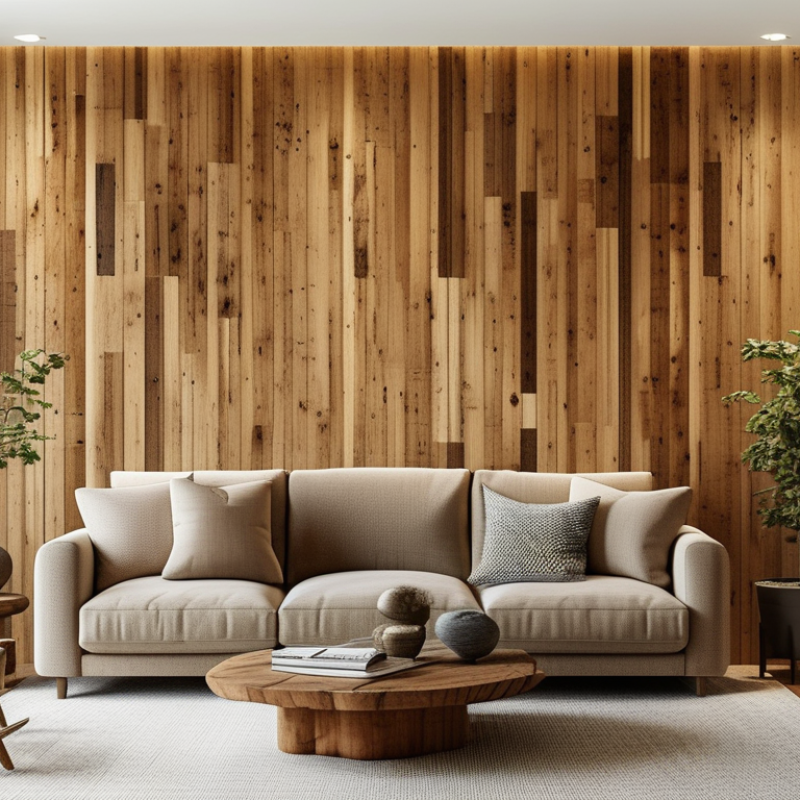
Understanding Different Types of Wood for Wall Panels
When selecting wood for wall panels, it's crucial to understand the characteristics of various types. Softwoods like pine and spruce are popular due to their affordability and ease of handling. They offer a light, warm aesthetic, making them ideal for rustic and modern designs alike. Reports indicate that softwoods make up about 40% of the residential wall panel market. However, they may not be as durable as hardwoods.
Hardwoods, such as oak and walnut, provide unmatched strength and longevity. These types are often favored for high-end projects due to their rich colors and grain patterns. They resist wear well, with studies showing hardwoods can last two to three times longer than their soft counterparts. Yet, the higher price point may deter some buyers, necessitating careful budget consideration.
Additionally, engineered wood options, like plywood and MDF, have gained traction in the industry. They offer stability and reduce warping, making them excellent for varied humidity levels. According to recent market analysis, engineered woods accounted for roughly 25% of wall panel sales in the past year. While they can deliver on performance, their synthetic nature might not appeal to those seeking pure wood aesthetics. Each type comes with benefits and drawbacks, and understanding these nuances is key to making an informed choice.
Wood Types for Wall Panels
Evaluating Aesthetic Considerations for Wood Walls
Choosing the right wood walls for your project involves careful consideration of aesthetics. Appearance plays a crucial role in defining the space's atmosphere. A survey by the American Institute of Architects shows that 70% of clients prioritize aesthetics when selecting materials for their interior projects. This highlights the importance of visual appeal in design choices.
Textures, colors, and patterns greatly influence how wood walls enhance a room. Lighter woods can create an airy feel, while darker options add warmth and richness. The choice between vertical and horizontal panels can also dramatically alter the perceived dimensions of a space. Wood species like oak and maple have distinct appearances and can cater to various styles, from rustic to modern.
Tip: Always consider how the wood's grain complements other materials in your design. An inspiring design often involves elements that harmonize seamlessly. Reflection is vital; don’t hesitate to test samples in your space to understand their impact. Additionally, think about maintenance. Some finishes require more upkeep than others. Remember, aesthetics are not just about looks; they must also align with your lifestyle and project requirements.
How to Choose the Best Wood Walls for Your Project? - Evaluating Aesthetic Considerations for Wood Walls
| Wood Type | Color Variations | Texture | Durability | Common Uses |
| Pine | Light yellow to reddish-brown | Straight grain, smooth finish | Moderate | Interior walls, furniture |
| Oak | Light to dark brown | Open grain, coarse texture | High | Flooring, cabinetry, walls |
| Maple | Creamy white to light reddish-brown | Smooth, fine grain | High | Cabinetry, interior walls |
| Cedar | Light reddish-brown to deep brown | Straight grain, aromatic | Moderate to high | Outdoor walls, saunas |
| Walnut | Rich dark brown, with purplish hues | Wavy grain, smooth | High | High-end furniture, wall panels |
Assessing Durability and Maintenance of Wood Materials
When selecting wood walls, durability and maintenance should be at the forefront of your considerations. Different species exhibit varying levels of resistance to moisture and pests. For instance, cedar is naturally resistant to decay, making it a popular choice. However, oak might require more upkeep in humid climates. The environment can greatly affect how well the wood holds up over time.
Maintenance is another crucial factor. Wood walls need regular treatments to prevent deterioration. Depending on the finish, you may need to reapply sealants or stains every few years. This can be time-consuming and may not fit everyone’s lifestyle. Untreated wood can lead to problems, such as warping or splintering, which might require more extensive repairs.
Choosing the right wood is not just a decision based on appearance. It demands careful thought regarding your needs and location. Some may prioritize aesthetic appeal over longevity, which can result in future regrets. Many wood types have their beauty and flaws, so weigh those decisions carefully. You want a solution that offers both style and practicality, aiding your overall project success.
Choosing the Right Wood Finishes and Treatments
When considering wood finishes and treatments, it’s essential to prioritize durability and aesthetics. A study by the Forest Products Laboratory revealed that untreated wood can degrade significantly in five to seven years. Proper treatments can extend the lifespan of wood surfaces significantly. For instance, applying high-quality sealants and stains can increase resistance to moisture and UV damage, making them crucial in outdoor settings.
Choosing the right finish is not just about protection; it also enhances the wood's visual appeal. Oil-based finishes impart a rich glow, while water-based options tend to dry faster and are lower in VOCs. According to the National Wood Flooring Association, finishes can alter the color and grain of wood dramatically. It's vital to test a small area before full application to avoid unexpected results. Neglecting this step could lead to dissatisfaction with the final appearance.
Too often, the interplay between wood type and finish is underestimated. Different woods react uniquely to finishes, affecting color and texture. A popular softwood like pine may require more frequent reapplication than hardwoods like oak. This consideration is critical for long-term maintenance plans. Moreover, environmental factors play a role. In humid regions, breathable treatments are optimal to allow moisture escape. Understanding these nuances can lead to a more informed choice.
Budgeting and Sourcing Quality Wood for Your Project
When embarking on a wood wall project, budgeting is key. Determine your overall budget before diving into specifics. Quality wood comes at a price. Aim for a balance between cost and durability. Consider woods like oak or cedar, known for their strength. Research local suppliers for competitive pricing. Don't hesitate to visit multiple stores. It may take time, but finding the right deal is worthwhile.
Sourcing quality wood can be a challenge. Inspect each piece carefully. Look for signs of damage, warping, or knots that could weaken the structure. This step is crucial for long-term satisfaction. If you’re unsure, consult with a local contractor. They can guide you on the best materials for your needs.
Recycling wood can be a budget-friendly option. Salvaged wood adds unique character. Plus, it’s environmentally friendly. But ensure it meets safety standards. This may require extra effort, and not all reclaimed wood is suitable. Reflect on your choices carefully. Where you source materials will affect your project’s outcome. Choose wisely for lasting results.