








Choosing the right Auto Transformer can be daunting. An Auto Transformer is a critical component in electrical applications. Experts emphasize the importance of understanding your specific needs. James H. Dunlop, a renowned electrical engineer, once said, "Selecting the right transformer hinges on both load requirements and efficiency." This highlights the need for careful consideration.
When looking for an Auto Transformer, consider the voltage, power rating, and current. These elements greatly influence performance. Many overlook the impact of these specifications on efficiency. It's crucial to assess how each option aligns with your unique requirements. Rushing this decision can result in costly mistakes or inefficient operations.
In an industry that constantly evolves, staying informed is essential. Technology changes affect power distribution and transformer design. Investing time in research can spare you future inconveniences. Seek guidance from reputable sources and industry experts. Your choice of Auto Transformer should not only fulfill your current needs but also allow for future scalability. Reflecting on these aspects can lead to better decision-making.
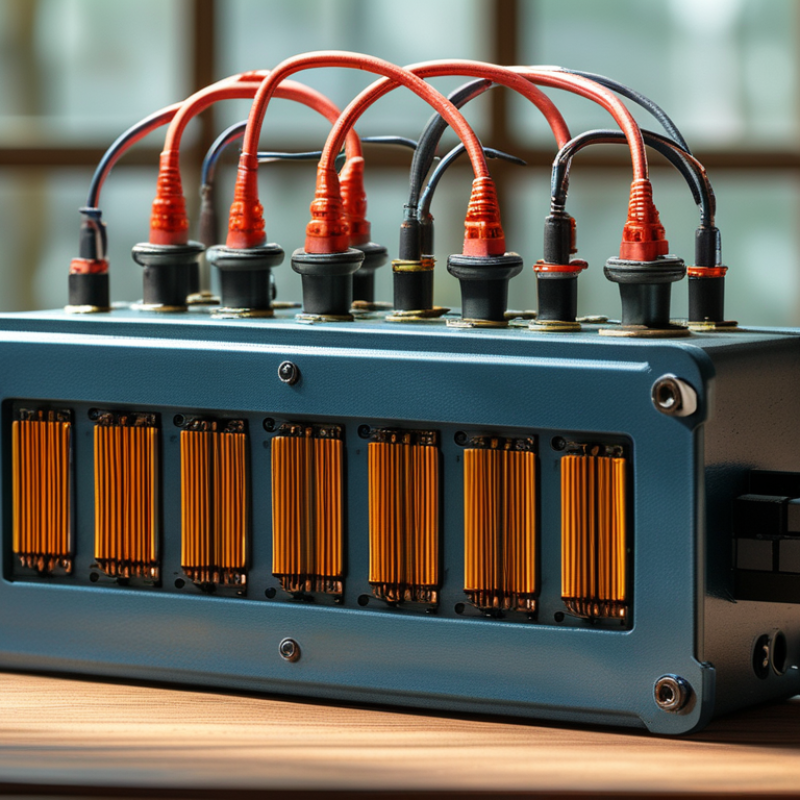
When choosing an auto transformer, several factors come into play. Understanding the voltage requirements is crucial. Determine the input and output voltages needed for your project. This ensures compatibility with your equipment. You don’t want to damage your systems by selecting the wrong voltage.
The current rating is another vital aspect. Select an auto transformer that can handle the load. Consider both the full load current and any potential inrush currents. This helps prevent overheating and prolongs the life of the transformer. It's essential to assess the operating environment too. If the transformer will be exposed to extreme conditions, choose a robust model.
Think about the size and weight as well. Space constraints might limit your options. A smaller transformer can save space but may reduce power capacity. Weigh your needs carefully. Sometimes, the perfect transformer isn’t the most powerful one. An efficient choice balances size, weight, and performance. Reflect on your specific application and make informed decisions.
Choosing the right auto transformer is crucial. Voltage ratings play a significant role in this selection. Understanding how voltage affects transformer performance can save you time and money. An industry report from the Electrical Research Association states that improper voltage rating can lead to efficiency losses of up to 20%. This can significantly impact your operations.
When selecting an auto transformer, consider the application. For instance, a 230V rating may serve residential needs, while industrial applications may require higher ratings. This means you must evaluate the specific voltage requirements carefully. A miscalculation could cause overheating or equipment failure.
Tips: Always check the transformer's voltage regulation percentage. A regulation rate of 5% to 10% is generally acceptable for most applications. Additionally, ensure that your selected model complies with local safety standards.
It's important not to overlook the transformer’s capacity. You need a unit that can handle peak loads without strain. If the transformer's capacity is too low, it will operate inefficiently. This could lead to equipment damage. Remember that not all specifications are clear-cut. Be prepared for variations in power supply that could influence performance.
When evaluating load requirements for an auto transformer, accuracy is key. Consider the specific voltage and current demands of your application. Assess whether the motor, lighting, or heating system has any special needs. These details help ensure the auto transformer operates efficiently. It's a common oversight to underestimate these requirements. This can lead to equipment damage or underperformance.
Sizing your auto transformer involves calculating total load in kilowatts or amps. Remember to incorporate a safety margin. This accounts for potential fluctuations in demand. Many users overlook this aspect, which can result in inadequate power supply. Moreover, consider the duty cycle of your applications. Continuous versus intermittent uses can affect your transformer choice.
Also, pay attention to the environment where the transformer will be installed. Temperature and humidity can impact performance. Is the space properly ventilated? These factors often get ignored, leading to maintenance issues later. Reflect on past applications to learn and improve. Each choice carries weight, and finding the right balance can be challenging yet rewarding.
| Load Type | Load Requirement (kW) | Voltage Rating (V) | Recommended Transformer Size (kVA) | Notes |
|---|---|---|---|---|
| Residential Lighting | 3.5 | 120 | 5 | Standard household use |
| Small Appliances | 1.5 | 120 | 2 | For kitchen gadgets |
| Commercial Equipment | 10 | 240 | 15 | Used in commercial spaces |
| Industrial Machines | 50 | 480 | 75 | Heavy-duty operations |
| HVAC Systems | 20 | 240 | 30 | Heating and cooling units |
Auto transformers have found a solid footing in various industrial and commercial applications, primarily due to their efficiency and compact design. According to a recent industry analysis, the global auto transformer market is expected to reach USD 5 billion by 2026, highlighting a growing trend in their adoption. These transformers are particularly useful in applications requiring voltage transformation, such as in electric motors, lighting systems, and power distribution units.
One common application is in HVAC systems, where auto transformers regulate voltage to optimize energy consumption. A study from the Institute of Electrical and Electronics Engineers notes that utilizing an auto transformer in HVAC can improve energy efficiency by nearly 20%. Additionally, in manufacturing processes, these transformers maintain constant voltage levels, ensuring machinery operates under ideal conditions. Fluctuations in voltage can lead to equipment damage and productivity drops, underscoring the importance of reliable voltage management.
However, there's an ongoing conversation about the safety of auto transformers. They lack isolation between primary and secondary circuits. This aspect poses potential risks in certain environments if not managed carefully. Manufacturers often recommend additional protective devices when using auto transformers in high-stakes applications. It's essential to weigh their efficiency against potential risks to choose the right solution.
When choosing an auto transformer, efficiency and cost are crucial factors. An efficient transformer can save energy over time, lowering operational costs. Look for units with high efficiency ratings. These transformers minimize energy loss, which is critical for long-term savings. However, efficiency often comes at a higher price. Consider your budget while evaluating options.
Comparing different auto transformers can be daunting. Some may offer better efficiency but are costly upfront. Others may be cheaper but less efficient. It's essential to weigh these factors based on your specific needs. Think about how often you'll use the transformer. If it's for occasional use, a less costly option might suffice. But for frequent usage, investing in an efficient model could pay off over time.
Explore online resources and reviews for insights. User experiences can reveal the reliability of different models. Efficiency doesn't always guarantee performance. Some might claim high efficiency but underperform in real-world situations. Analyze your requirements and align them with appropriate models. The right choice balances initial cost, efficiency, and expected performance.
Hein Minnie
Cell nr: +27 (0) 82 564 6501
Email: sale@thecirclemachine.com
Hein Minnie Jnr
Cell nr: +27 (0) 84 284 7234
Email: sale@thecirclemachine.com
Address:
10 Apsey Street,
Heidelberg,
Gauteng,
1441
Bendet Engineering Services (PTY) LTD was established in 1987. Our team of engineers and draughtsman are ready to deliver a complete turnkey solution, from the design phase to commissioning. A dedicated team that consists of electrical, mechanical and industrial engineers, we are able to offer a comprehensive service to our clients.