How to Choose an Automatic Bag Feeding Machine?
Choosing an Automatic Bag Feeding Machine is a practical production decision, not a simple equipment purchase. The right system must match bag dimensions, material, speed, filling accuracy, and available floor space. A machine that performs well with laminated pouches may struggle with dusty kraft bags or static-sensitive films. Small details matter. Bag opening, alignment, and transfer stability can determine the quality of every finished pack.
Industry research supports this careful approach. PMMI’s packaging machinery reports identify labor availability, flexible production, and automation as major investment concerns for manufacturers. Smithers’ The Future of Flexible Packaging to 2029 also documents continued demand for efficient, lightweight, and adaptable packaging formats. These findings suggest a clear direction: buyers need automation, but they also need controlled changeovers and dependable maintenance access. High speed alone is not enough.
This guide explains how to evaluate an Automatic Bag Feeding Machine through measurable criteria. It considers feeding accuracy, servo control, sensor performance, hopper capacity, cleaning requirements, and integration with filling or sealing equipment. It also examines supplier testing, spare parts, operator training, and after-sales support. These points are often underestimated. I have seen specifications look impressive while real production conditions reveal feeding errors, film curling, or unstable pouch pickup. No machine is perfect. A reliable choice comes from testing actual bags, recording performance, and questioning optimistic claims. The best machine is not always the fastest model. It is the one that maintains consistent output with your materials, operators, and production goals.
Define Automatic Bag Feeding Machines and Their 30–120 Bags-per-Minute Capacity
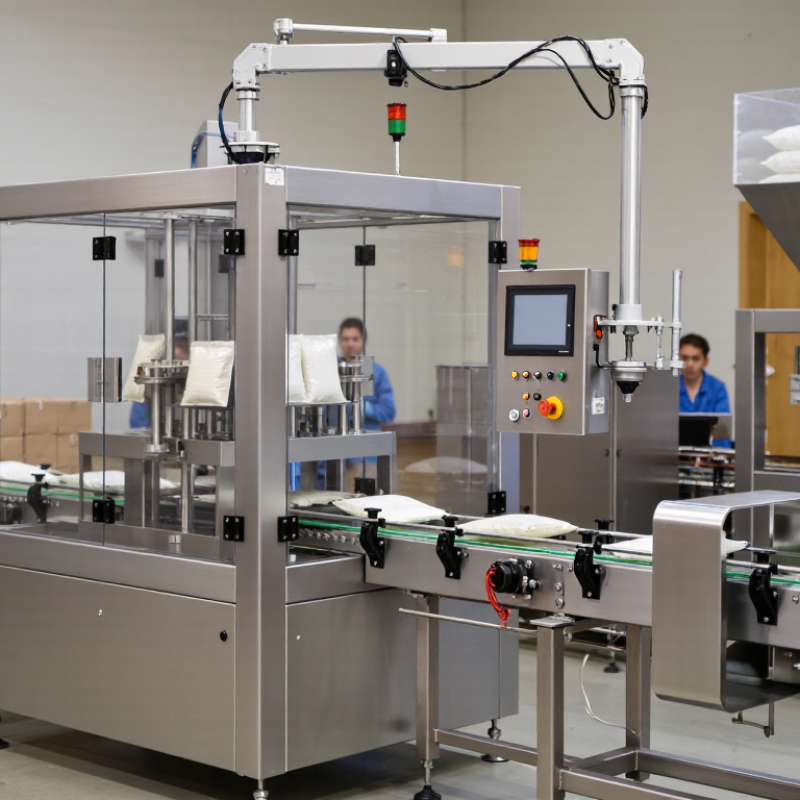
An automatic bag feeding machine stores pre-made bags, separates them, and presents each bag to a filling or sealing station. It replaces repeated manual loading with timed, sensor-controlled handling. Typical systems operate between 30 and 120 bags per minute, depending on bag size, material, opening shape, and product flow. A 120-bag-per-minute rating does not guarantee 120 finished packs.
Industry data supports careful planning. Smithers’ report, The Future of Global Flexible Packaging to 2028, forecasts continued growth in flexible packaging demand, driven by convenience and material efficiency. PMMI’s packaging machinery research also identifies labor shortages and automation investment as major industry pressures. These trends explain the interest in automated bag feeding, but speed alone should not control the purchase decision.
Begin with the real production target. If a line needs 70 bags per minute, test it under normal conditions, including film dust, bag curl, and short pauses. Ask for sustained output, not only peak speed. Check bag dimensions, stack height, changeover time, reject handling, and sensor accuracy. For small bags, 30 to 60 bags per minute may provide steadier feeding. Larger or unstable bags may need slower movement. A machine can run faster.
However, a fast feeder may create misalignment, sealing defects, or unnecessary downtime. This is where selection becomes less obvious. Request sample trials with your actual bags and products. Review operator access and maintenance records. The best choice is usually the machine that delivers consistent feeding across an entire shift, not the one with the largest number on its specification sheet.
Match Bag Materials, Sizes, and Weights with Feeder Configuration
How to Choose an Automatic Bag Feeding Machine?
Bag materials, sizes, and weights should guide the feeder configuration. A thin PE pouch can cling, wrinkle, or collapse during feeding. A laminated stand-up pouch behaves differently because its sealed edges add stiffness. Paper bags may need gentler contact surfaces to prevent scuffing. The Flexible Packaging Association reported approximately 40 billion dollars in U.S. flexible packaging sales in 2023. That variety makes a universal feeder setting unrealistic.
Measure each bag when empty and filled. Record length, width, thickness, seal shape, and weight variation. A vacuum feeder suits flat, smooth bags with consistent surfaces. Friction feeders often handle lightweight bags, but dusty or textured materials can reduce grip. Heavier bags may require wider belts, stronger motors, and longer spacing sections. PMMI industry reports repeatedly identify labor availability and changeover time as major automation concerns. However, faster feeding is not always better. A trial at the real production speed matters more than a catalog number.
Tips: Test the heaviest and lightest bags first. Use actual packaging batches. Check ten consecutive feeds. Watch for double drops, folded corners, and slipping. Ask for tool-free adjustment. It saves time, though not every “quick-change” design performs quickly in practice. Document the final settings, then review them after one week of production.
Compare Feeding Accuracy, Including ±1 mm Positioning Tolerance
How to Choose an Automatic Bag Feeding Machine?
Feeding accuracy should be tested before machine speed or appearance. A stated ±1 mm positioning tolerance means the bag should reach the filling point within one millimeter of the target. However, this figure may depend on bag size, material, temperature, and feeding speed. Ask for measured results, not only catalogue claims.
During a practical trial, place several hundred bags into the hopper. Check their position after feeding, then record missed feeds, tilted openings, and double feeds. Use a ruler or camera system with clear reference marks. Thin plastic bags may curl near the opening. Heavier laminated bags may slide differently. Small changes can affect sealing quality.
A reliable machine should keep the bag mouth aligned during repeated cycles. The ±1 mm result must remain stable, not appear only during a short demonstration. Review maintenance records and request test data from similar bag formats. I once underestimated how much dust could change friction on a feeding belt. That was a costly lesson. Perfect accuracy is unlikely. Look for controlled variation, easy adjustment, and honest limits. A slower trial may reveal more than a fast display run.
Calculate Total Cost Using Energy Use, Maintenance, and Payback Period
How to Choose an Automatic Bag Feeding Machine?
The purchase price is only one part of an automatic bag feeding machine’s cost. Ask suppliers for measured energy consumption at your expected production speed, not only the rated motor power. Record kilowatt-hours during a normal shift, including start-up and idle periods. Small losses become expensive after thousands of operating hours.
Maintenance also affects the real payback period. Check the expected life of belts, vacuum cups, sensors, and sealing components. Ask how often technicians must clean filters or adjust the feeding system. A machine that stops for fifteen minutes each hour may appear affordable, yet reduce output and increase labor costs. Include installation, operator training, spare parts, compressed air, and electricity in your calculation. A simple formula is: payback period equals total investment divided by annual savings. Annual savings should include labor reduction, lower waste, fewer stoppages, and energy costs.
Tips: Compare at least three operating scenarios: normal, peak, and slow production. Use utility bills and maintenance records when possible. Do not trust a perfect spreadsheet. Real factories are rarely perfect. Dust, bag variation, and operator habits can change the result. Test sample bags for several hours, then inspect missed feeds, damaged bags, and recovery time. A reliable evaluation uses measured evidence, clear service terms, and conservative savings estimates rather than optimistic promises.
How to read this chart: The five-year total cost of ownership includes purchase cost, electricity, and preventive maintenance. Payback period is calculated as purchase cost divided by estimated annual net benefit after energy and maintenance expenses.
Planning assumptions: 2,000 operating hours per year, electricity at $0.15/kWh, a five-year evaluation period, and labor savings based on reduced manual bag-feeding work. Values are non-brand, planning-level estimates and should be replaced with supplier quotations and site data before purchasing.