








Choosing the right Energy Storage System requires more than comparing battery capacity and purchase prices. A reliable decision begins with your daily electricity pattern. Review recent utility bills, solar production records, and peak demand data. A small workshop may need high power for short bursts. A household may need steady backup through a twelve-hour outage. These are different requirements.
Battery chemistry, usable capacity, round-trip efficiency, and operating temperature all affect performance. Lithium iron phosphate batteries often provide strong thermal stability and long cycle life. However, every project has trade-offs. A larger battery does not automatically deliver better value. Check the inverter rating, expansion options, maintenance needs, and warranty conditions. Ask whether the manufacturer publishes test results and clear safety certifications. Local installers can also reveal practical issues, such as winter capacity loss or limited service coverage. Their experience matters.
Cost calculations should include installation, monitoring, replacement parts, and future electricity rates. A spreadsheet may look precise, yet it can miss changing household habits or unexpected outages. No selection method is perfect. Revisit the assumptions. Confirm that the system matches your roof, electrical panel, available space, and emergency priorities. Reliable suppliers explain limitations instead of promising effortless savings. With careful research and professional inspection, buyers can choose an Energy Storage System that performs safely, remains maintainable, and supports real energy needs over many years. Small details matter.
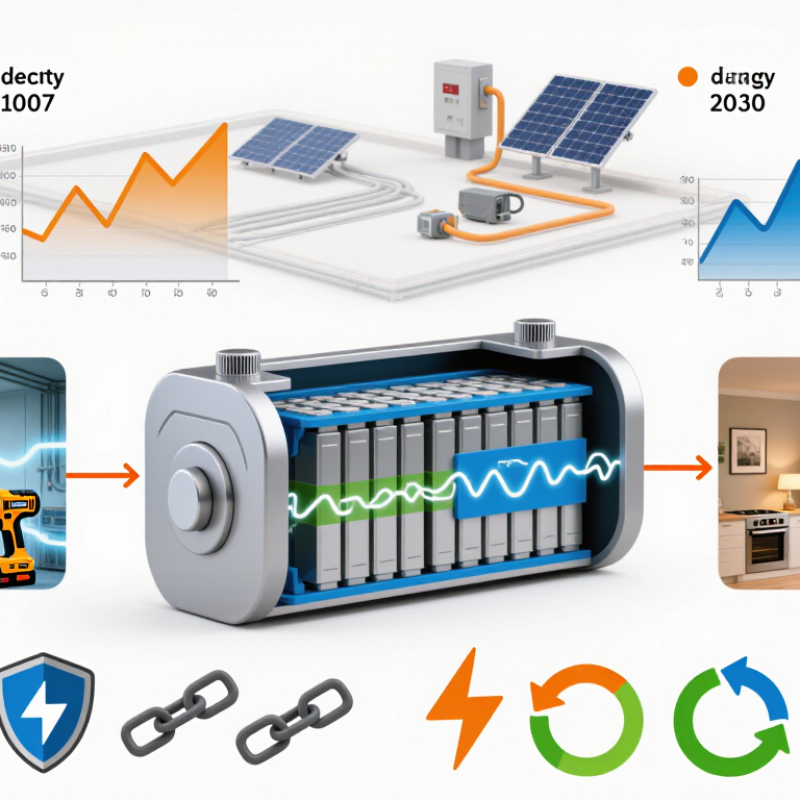
Choosing an energy storage system starts with a clear definition of the problem. Is the system protecting critical loads, reducing peak demand, storing solar energy, or supporting backup power? These goals require different designs. A hospital may need instant response and several hours of autonomy. A small workshop may only need evening energy shifting.
Begin with real operating data, not guesses. Review electricity bills, hourly demand, outage history, and equipment startup loads. Record which circuits must remain active during an outage. Refrigeration, pumps, servers, and lighting often have different priorities. Measure carefully. Small errors can become expensive.
Specify both power and energy requirements. Power, measured in kilowatts, shows how much equipment can run simultaneously. Energy, measured in kilowatt-hours, determines how long it can operate. Include seasonal changes, battery degradation, round-trip efficiency, and reserve capacity. A system sized for today may fail after years of cycling.
Safety and site conditions also shape the objective. Check temperature ranges, ventilation, available floor space, fire protection, maintenance access, and local electrical requirements. A technically efficient system may still be unsuitable in a dusty or poorly ventilated room. That detail is easy to overlook.
Cost targets should include installation, controls, inspections, replacement parts, and eventual disposal. The cheapest equipment is not always the lowest-cost choice. A spreadsheet can still miss operational realities. Revisit the assumptions with electricians, facility operators, and safety professionals before approving the design. Small changes in load priorities may alter the entire system.
How to Choose the Right Energy Storage System?
Compare Major Energy Storage Technologies
Choosing an energy storage system begins with the site, not the battery label. A small home may need lithium-ion storage for compact installation and quick response. These systems usually offer high efficiency and strong cycle performance. However, they require careful thermal management and qualified installation. Safety cannot be treated as an afterthought.
Lead-acid batteries remain useful where upfront cost matters more than space. They are familiar, recyclable, and easy to source. Their shorter lifespan and lower usable capacity can increase long-term expenses. Flow batteries suit larger facilities needing frequent, long-duration discharge. Their liquid electrolytes support many cycles, but tanks require substantial floor space. That detail is easy to overlook.
Sodium-ion systems are attracting attention for lower-cost materials and improved performance in colder conditions. Their commercial availability and lifetime data still need close review. Thermal storage can be practical for buildings with cooling or heating loads. It stores energy as heat instead of electricity, so application design becomes critical. Field assessments often expose mismatches between laboratory results and daily operation. A battery rated for eight hours may deliver less under extreme temperatures, aging, or poor maintenance. Ask for verified cycle data, round-trip efficiency, warranty conditions, and independent safety testing. The cheapest option may not remain cheap.
Capacity tells you how long a system can support a load. Power tells you how much it can deliver at one moment. These values are not interchangeable. A battery may store 500 kWh but provide only 100 kW continuously. Review hourly demand data, not just monthly energy use. Measure the evening peak. Include motor starts and short surges.
Efficiency affects operating cost and available energy. Round-trip efficiency should include charging, discharging, cooling, controls, and standby consumption. A quoted 95% figure may fall under high temperatures or partial loads. Numbers on a datasheet can mislead. In project assessments, I compare meter readings with the proposed model. This often reveals optimistic assumptions about auxiliary power and usable capacity. Leave a practical reserve for battery aging.
Response time matters when loads change quickly. Fast response can support frequency control, backup transitions, or sudden industrial demand. However, speed alone does not prove suitability. A slower system may work well for peak shaving over several hours. Ask for tested response curves, control limits, and recovery behavior. Test the system under realistic conditions, including low state of charge. I have seen forecasts miss actual peaks, so I avoid sizing from one perfect week. A flexible design is usually safer than an impressive specification.
Choosing an energy storage system starts with the installation site, not the battery size.
Check floor loading, ventilation, drainage, fire separation, and access for emergency teams. Outdoor cabinets need shade and protection from flooding. Indoor systems require carefully planned airflow and clearance.
The International Energy Agency reported that global battery storage additions reached about 42 GW in 2023.
Rapid growth makes installation quality more important. Follow applicable electrical codes and fire-safety standards, including NFPA 855 where relevant. Ask for test records, thermal monitoring, fault protection, and an emergency shutdown plan. A system may look efficient on paper. Poor ventilation can still shorten its life.
Maintenance also needs a realistic schedule.
Inspect connections, alarms, filters, enclosures, and software logs at defined intervals. The U.S. Department of Energy’s Energy Storage Grand Challenge highlights safety, reliability, and lifecycle cost as key performance goals. Do not judge maintenance only by calendar days. Temperature, cycling depth, dust, and humidity change the workload. A rigid checklist can miss local problems; that is an area worth reviewing after the first operating season.
Tips:
Measure the hottest and coldest site temperatures before selection.
Leave service access around every enclosure.
Record battery temperature trends, not just fault alerts.
Confirm who owns emergency training and replacement planning.
Ask for maintenance costs over ten years, not only the purchase price.
Choosing an energy storage system begins with calculating its total cost, not comparing purchase prices alone. Include equipment, shipping, installation, electrical upgrades, controls, permits, insurance, maintenance, and eventual replacement. A lower-priced system may require expensive cooling or site preparation. Those details often change the decision.
Estimate annual savings from demand reduction, time-of-use shifting, backup value, and renewable energy use. Then compare those savings with battery degradation and financing costs. Review round-trip efficiency, usable capacity, cycle life, warranty terms, and response time. Match the system to your load profile. A facility needing two hours of peak reduction should not automatically purchase a six-hour system. Oversizing looks safe, but unused capacity still costs money.
Tips: Gather twelve months of interval electricity data before requesting quotes. Model weekday, weekend, and seasonal demand separately. Ask suppliers to show assumptions clearly. Include a replacement scenario in year eight or ten. A spreadsheet can still lie. Check its results against actual operating conditions, including cloudy days, production shutdowns, and unexpected demand spikes. Independent engineering review adds credibility, especially when tariff structures or interconnection requirements are complicated. The best-fit system is not always the largest or newest option. It is the one that delivers measurable value, acceptable risk, and dependable performance at your site.
15-year lifecycle cost comparison by storage technology, including capital recovery, operations and maintenance, and replacement costs.
The comparison uses representative utility-scale assumptions: 15-year analysis period, 200–300 equivalent full cycles per year, technology-specific round-trip efficiency, and costs in USD per delivered MWh. Electricity purchase costs, financing, tax incentives, and site-specific grid connection costs are excluded. A lower lifecycle cost is not always the best choice; discharge duration, cycle frequency, response time, land availability, and project lifetime should also be considered.
Hein Minnie
Cell nr: +27 (0) 82 564 6501
Email: sale@thecirclemachine.com
Hein Minnie Jnr
Cell nr: +27 (0) 84 284 7234
Email: sale@thecirclemachine.com
Address:
10 Apsey Street,
Heidelberg,
Gauteng,
1441
Bendet Engineering Services (PTY) LTD was established in 1987. Our team of engineers and draughtsman are ready to deliver a complete turnkey solution, from the design phase to commissioning. A dedicated team that consists of electrical, mechanical and industrial engineers, we are able to offer a comprehensive service to our clients.