Understanding the Science of Curing Ovens: Factors Affecting Efficiency and Performance in Industrial Applications
Curing ovens are critical components in various industrial applications, particularly in sectors such as aerospace, automotive, and electronics, where precision and quality are paramount. According to a report by the Industrial Heating magazine, an optimized curing oven can enhance production efficiency by up to 20%, significantly reducing energy consumption and improving product consistency. Factors influencing the performance of curing ovens include temperature uniformity, airflow design, and proper insulation. Recent advancements in technology, such as the integration of smart sensors and automated controls, have further enhanced the operational efficiency of these ovens. Understanding the underlying science behind curing ovens not only helps manufacturers achieve better output but also drives innovations that lead to sustainable practices. In this article, we will explore the critical factors affecting the efficiency and performance of curing ovens, providing actionable tips for optimizing their operation in industrial settings.
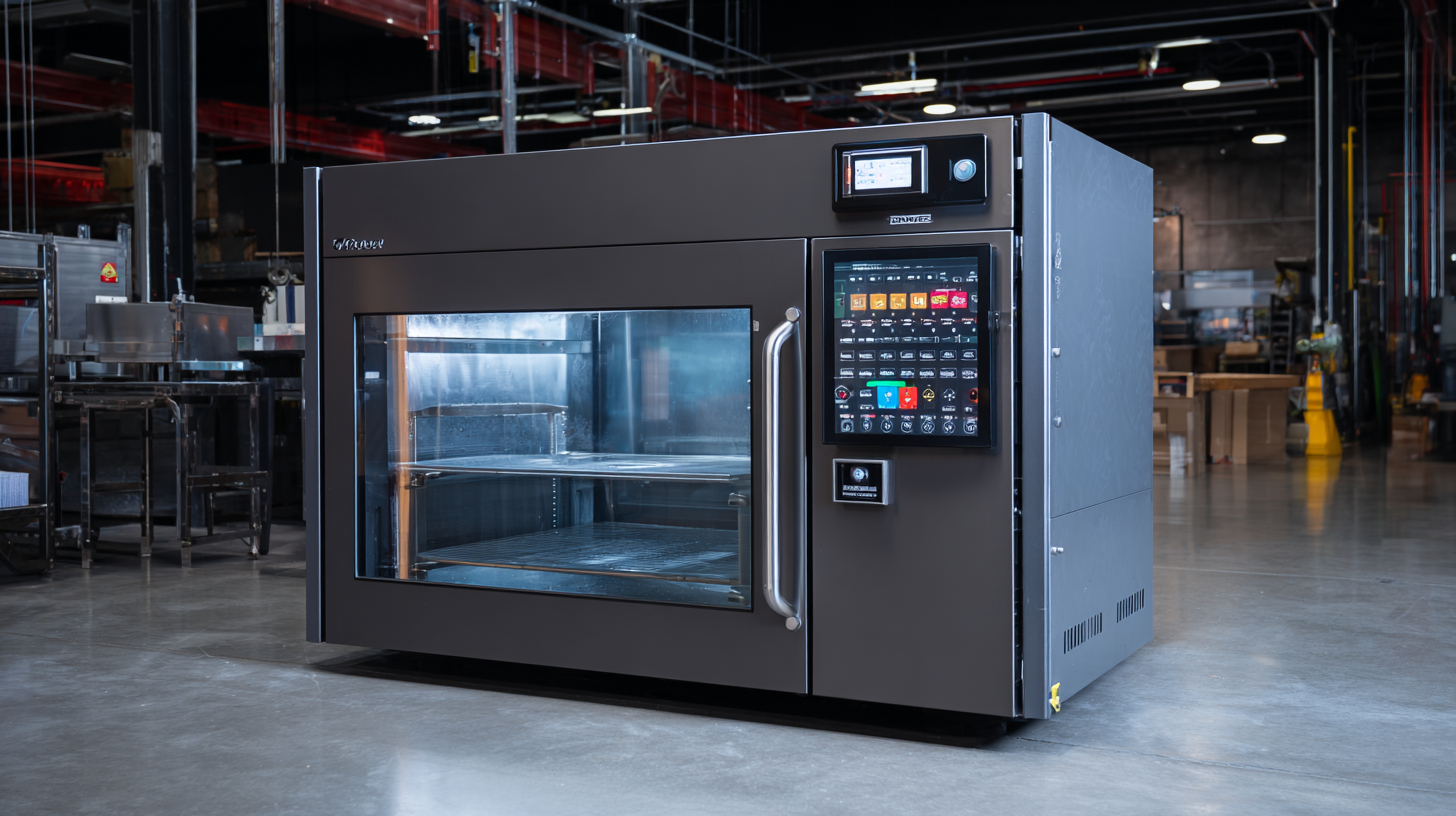
Choosing the Right Curing Oven for Your Industrial Needs
When selecting a curing oven for industrial applications, several key factors come into play to ensure optimal efficiency and performance. First, consider the specific materials and processes involved in your operation. Different materials require varying temperatures and curing times, so it's essential to choose an oven that can accommodate these specifications. For instance, a convection oven might be suitable for materials that need gentle heating, while infrared ovens could be more effective for faster curing processes.
Another important factor to consider is the oven's capacity and footprint. Assessing the size of the items being cured and the production volume will help determine the required oven dimensions. Additionally, energy efficiency should be a priority; opting for ovens with better insulation and advanced heating technologies can significantly reduce operational costs over time. Finally, explore the available features, such as programmable controls, which allow for precise monitoring and adjustment of the curing process, ensuring consistent product quality. By evaluating these criteria, industries can make informed decisions that align with their unique requirements, ultimately enhancing productivity and performance.

Key Factors Influencing Curing Oven Efficiency
When exploring the efficiency of curing ovens in industrial applications, several key factors come into play.
One of the most significant elements is temperature uniformity.
A consistent temperature throughout the oven ensures that materials are cured evenly, preventing defects and enhancing product quality.
Variations in temperature can lead to uneven curing, resulting in weak spots or compromised finishes.
Therefore, well-calibrated heating elements and effective insulation are critical for maintaining optimal temperature distribution.
Another influential factor is airflow management within the oven.
Proper circulation of heated air not only aids in maintaining uniform temperature but also helps in minimizing cure times by ensuring that heat reaches all surfaces of the material being processed.
Ineffective airflow can trap cool spots, which may hinder the curing process and reduce overall efficiency.
Implementing advanced ventilation systems and adjustable fans can significantly improve airflow dynamics, leading to better performance and optimized curing cycles.
Finally, the choice of curing materials and their thermal properties plays a crucial role in the efficiency of curing ovens.
Understanding the specific requirements of the materials being cured can inform adjustments in time and temperature settings, ensuring that each substrate achieves its desired properties without wasting energy or time.
Tailoring the curing process to suit the materials at hand ultimately enhances both the performance and cost-effectiveness of industrial applications.
Optimizing Temperature and Time Settings for Maximum Performance
Curing ovens play a crucial role in industrial applications, significantly influencing efficiency and performance. The optimization of temperature and time settings is essential for achieving maximum performance during the curing process. Studies indicate that uniform temperature distribution within these ovens can enhance curing quality while reducing energy consumption. For instance, maintaining a temperature range of 150-180°C can improve adhesion and durability of materials used in various industries, such as automotive and aerospace.
Moreover, precise control over curing times can yield better results. Research highlights that extending the curing process by just 10% can lead to a 25% increase in the overall strength of the cured product. This correlation between time and performance underscores the importance of fine-tuning oven settings based on specific materials and desired outcomes. Implementing advanced monitoring technologies can also assist operators in optimizing these variables, ensuring consistent results and reducing production costs in the long run.
Understanding the Science of Curing Ovens: Factors Affecting Efficiency and Performance in Industrial Applications
| Curing Oven Model |
Optimal Temperature (°C) |
Curing Time (minutes) |
Energy Consumption (kWh) |
Production Rate (units/hour) |
| Model A |
150 |
25 |
12 |
80 |
| Model B |
180 |
30 |
15 |
70 |
| Model C |
160 |
20 |
10 |
90 |
| Model D |
200 |
35 |
18 |
65 |
| Model E |
170 |
22 |
11 |
85 |
Maintaining Your Curing Oven for Longevity and Reliability
Maintaining a curing oven is essential for ensuring its longevity and reliability, especially in industrial applications where efficiency is crucial. Regular maintenance practices can significantly affect the performance of the oven, allowing it to operate at optimal levels. Key maintenance tasks include regular cleaning of the heating elements and interior surfaces to prevent buildup that can hinder heat distribution. Additionally, checking and calibrating temperature settings helps to maintain accuracy, ensuring that the curing process consistently produces high-quality results.
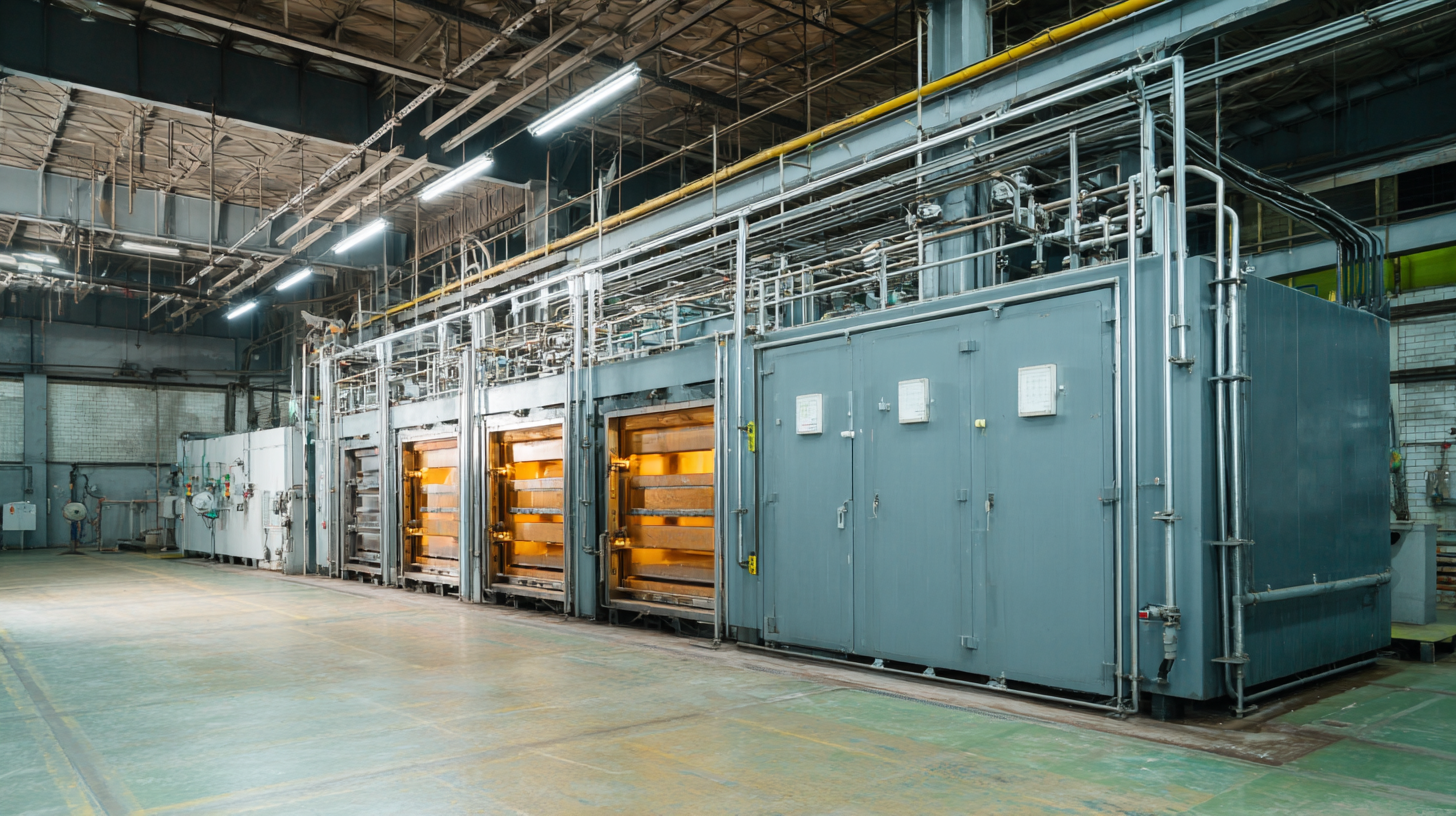
Another important aspect of maintenance is the inspection of insulation and sealing components. Over time, seals can degrade, leading to heat loss and increased energy consumption. Periodically checking these components and replacing them as necessary can enhance operational efficiency. Moreover, technicians should regularly evaluate electronic controls and sensors, as malfunctioning parts can lead to inconsistent curing processes. By prioritizing these maintenance practices, manufacturers can ensure that their curing ovens remain reliable and effective, ultimately extending their lifespan and reducing unexpected downtimes.
Evaluating the Role of Airflow in Curing Processes
Airflow plays a critical role in the efficiency of curing processes within industrial applications. Proper airflow not only ensures uniform heat distribution but also impacts the evaporation rates of solvents and the overall quality of the cured product. According to a study by the Industrial Heating Equipment Association, optimizing airflow can result in up to a 20% increase in curing efficiency, significantly reducing energy costs and improving production rates.
One of the key factors to consider is the velocity of airflow. Too slow can lead to inadequate heat transfer, while excessive speed may cause uneven curing and surface defects. A balanced airflow configuration, as suggested by a report from the American Institute of Chemical Engineers, can enhance temperature uniformity by 30%, thereby minimizing waste and rework.
Tips: Regular maintenance of your curing oven's ventilation system is crucial; lint and dust build-up can restrict airflow. Additionally, consider conducting airflow analysis using thermographic cameras to visually assess hot and cold spots within the curing chamber for better optimization. Adapting airflow based on the specific materials being cured can also enhance performance and efficiency.