







What is a Disability Lift and How Does It Work?

Disability Lifts are essential tools for increasing accessibility in various settings. According to the National Institute on Disability, about 61 million adults in the U.S. live with a disability. This statistic highlights the growing need for solutions that cater to individuals with mobility challenges. A Disability Lift serves as a means to enhance independence and facilitate mobility, offering a safe way to navigate buildings and vehicles.

The technology behind these lifts includes hydraulic systems and electric motors that ensure smooth operation. Data from the Accessibility Standards indicates that the installation of Disability Lifts can significantly improve access in public places and residential homes. However, challenges remain, such as maintenance issues and varying standards across regions.

As society progresses, addressing the nuances of accessibility remains crucial. The role of Disability Lifts is undeniable, yet their implementation must be carefully considered. Enhancing user experience while ensuring safety and ease of use is key. This balance often invites reflection on improving design and functionality in future iterations.
What is a Disability Lift and How Does It Work?

What is a Disability Lift? Definition and Types Explained

A disability lift is a specialized device designed to assist individuals with mobility challenges. It provides essential support to navigate different elevations, whether in homes, public buildings, or transportation systems. Various types of disability lifts exist, each tailored to specific needs and environments. For instance, vertical lifts are often used for stairs, while platform lifts accommodate wheelchairs and scooters in elevators or at entrances.

Understanding the types of disability lifts is crucial for selecting the right one. Vertical lifts elevate the user vertically with minimal space. They can be installed indoors or outdoors, making them versatile. Platform lifts allow for horizontal movement and can service a variety of locations, including commercial settings. Choosing the wrong lift might lead to safety hazards. It's vital to consider size, weight capacity, and installation location before making a decision.

Disability lifts should meet specific safety standards to ensure reliability. Regular maintenance is necessary to avoid malfunctions. Users may face issues with usability or comfort. Furthermore, not all spaces may be suitable for the chosen lift type, leading to potential accessibility problems. This highlights the importance of consulting professionals with experience in mobility solutions.

Key Features and Components of Disability Lifts

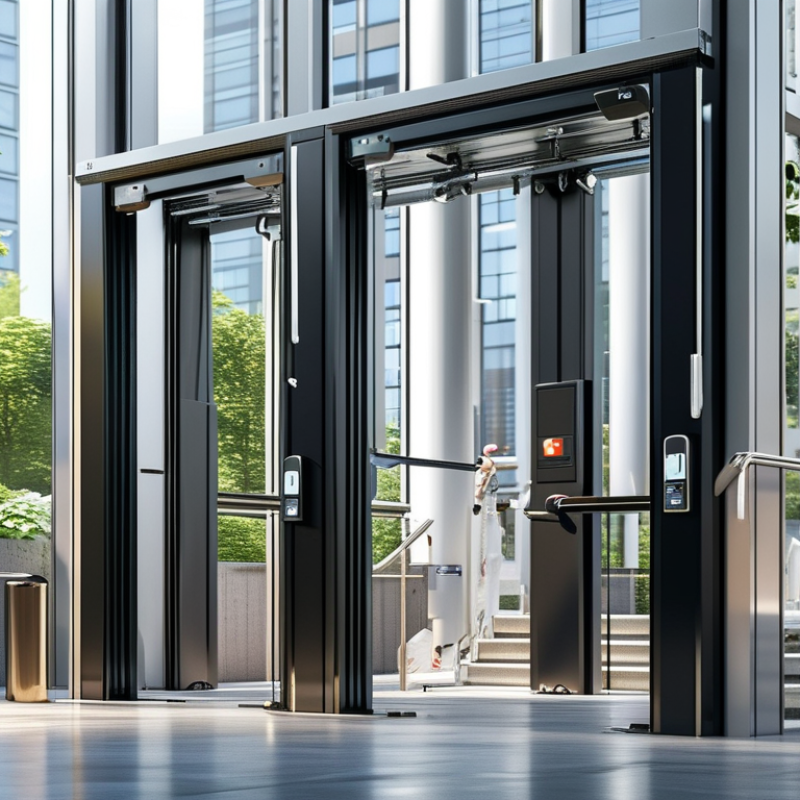
Disability lifts play a crucial role in improving accessibility for individuals with mobility challenges. These lifts come equipped with various features designed to ensure safe and efficient operation. A key component is the platform itself, which is typically spacious enough to accommodate wheelchairs or mobility scooters. The lift should have non-slip surfaces to enhance safety during transit.

Another vital aspect is the control system. Users often navigate the lift using easy-to-reach buttons. Some models may feature remote controls for added convenience. Additionally, many disability lifts are equipped with safety sensors. These sensors detect obstacles and prevent the lift from moving, ensuring user protection.

Installation of these lifts requires thoughtful planning. Ideally, the location should allow for a smooth transition between different levels. However, some users may find it challenging to adapt to the technology at first. Training on proper usage is often necessary. Reflecting on personal experiences can help users gain confidence. Overall, disability lifts significantly enhance mobility, but understanding their features is essential for effective use.

Disability Lift Usage Statistics

This bar chart represents the usage statistics of disability lifts across various categories. Residential locations utilize the most at 40%, followed by commercial spaces at 25%, and other sectors like public transport, healthcare, and educational facilities contributing equally at the remaining percentage.

How Disability Lifts Operate: Mechanisms and Technology

Disability lifts are essential tools designed to assist individuals with mobility challenges. These devices are engineered to provide safe and reliable access to different levels of buildings. The mechanisms behind disability lifts include hydraulic systems, belt lifts, and screw-driven lifts. Each system operates differently, yet all prioritize user safety and ease of use.

Hydraulic lifts function by utilizing fluid pressure to move the lift up and down. Users often find these lifts smooth in motion. In contrast, screw-driven lifts rely on a threaded rod, creating a system that can be slower but equally effective. Belt lifts offer a different approach, often being quieter and faster. Understanding these mechanisms helps users choose what best suits their needs.

Installation and maintenance can pose challenges. Proper training is crucial for users and operators alike. If the lift malfunctions, it can lead to inconvenience and frustration. Regular checks are vital for safe operation. It’s important to evaluate the environment where the lift will be installed. Accessibility isn’t just about the lifts themselves; it’s about creating seamless transitions in everyday life.

Market Trends: Growth and Usage Statistics of Disability Lifts

The market for disability lifts has seen significant growth in recent years. According to a 2023 industry report, the global disability lift market is projected to reach $3.5 billion by 2027. This growth is driven by an increasing emphasis on accessibility in public spaces and residential buildings. With an aging population and a rise in mobility challenges, demand for these lifts is on the rise.

Statistical data reveals that North America holds a substantial portion of the market share, accounting for nearly 40%. The trend is not limited to the U.S. alone. Many countries are enhancing infrastructure to support individuals with disabilities. In 2022, it was reported that approximately 25% of U.S. adults live with a disability. This statistic highlights a pressing need for solutions like disability lifts that provide essential mobility support.

However, the market faces challenges. Installation costs can be prohibitively high for some households. In addition, regulatory compliance can complicate planning for building owners. The balance between accessibility and cost remains a focus for stakeholders. Continued investment in innovation could help mitigate these issues and improve user experience.

Safety Standards and Regulations for Disability Lifts in the Industry

Disability lifts play a crucial role in enhancing accessibility. However, safety standards and regulations are essential to ensure their reliable operation. Various organizations establish guidelines to protect users. Regular inspections and thorough maintenance are critical components of safety. Operators must understand the exact protocols required to avoid accidents.

One important tip is to familiarize yourself with local regulations. Each region may have distinct safety requirements for disability lifts. This knowledge is vital for compliance and user safety. Additionally, consider the environment where the lift will be installed. Uneven surfaces or limited space can affect lift performance and safety.

It’s also important to involve skilled professionals for installation. Miscommunication can lead to unsafe settings. Prioritize training for operators to ensure they understand emergency procedures. Regular drills can help prepare users for unexpected situations, increasing overall safety. Ultimately, creating a safe environment should always be the goal.

Open chat
Scan the code
Bendet Sales Assistant
Hi There👋,
Thank you for visiting our website, How can I help you?