How to Find a Used Paint Booth for Sale in 2026?
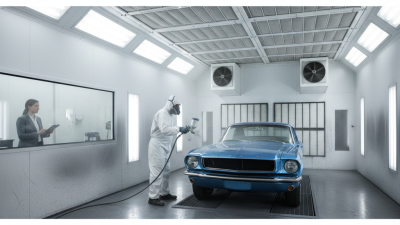
Buying a used paint booth in 2026 can save money, but the asking price is only one part of the decision. A booth that looks clean in listing photos may still have uneven airflow, worn seals, or an exhaust fan nearing the end of its service life. “Check the airflow, not just the fresh paint” is a useful inspection rule. Treat it as practical guidance, not a substitute for a qualified on-site assessment.
Start by matching the booth to your work. Note the vehicle or part dimensions, available floor space, power supply, and the finishes you plan to apply. Ask the seller for the model number, installation history, maintenance records, and details about filters, burners, fans, and controls. Request clear photos of the interior, ductwork, panels, and equipment labels. Small details matter. A crushed filter frame or a patchy seal can point to repair costs that a listing never mentions.
Before making an offer, arrange an inspection by a qualified paint-booth technician. Have them assess airflow, heating, controls, and visible wear, then compare their findings with the seller’s claims. Confirm that the booth can be installed and operated safely at your site, and check applicable local requirements with the relevant authorities. The right used paint booth for sale is not simply the cheapest one. It is the booth whose condition, documentation, and fit you can verify. One caution: records can be incomplete, so leave room in your budget for surprises.
Define Your Coating Needs and Applicable NFPA 33 Safety Requirements
Before searching for a used paint booth, define the coating process: waterborne or solvent-based paint, part dimensions, production rate, and daily spray hours. These details determine booth size, exhaust capacity, filtration, and equipment compatibility. NFPA 33, 2024 edition, addresses spray-area ventilation, electrical safeguards, and fire protection. Check the edition adopted by your local authority; requirements can vary by installation and jurisdiction. OSHA’s 29 CFR 1910.107 sets a 100-feet-per-minute minimum average air velocity for conventional dry-type spray booths, with specific exceptions. Treat this as a compliance reference, not a substitute for a site-specific airflow assessment.
Tips: Ask for the booth’s original drawings, fan and motor specifications, maintenance records, and recent airflow readings. Short on records? Budget for an independent inspection. Verify that filters, ductwork, lighting, and fire-protection components suit your coating materials and proposed layout.
A booth can look clean while hiding corrosion behind filters or buildup inside ducts. Inspect seams, access panels, exhaust paths, and electrical enclosures in person. Have a qualified fire-protection or ventilation professional compare the actual installation with NFPA 33 and applicable local requirements before purchase. Don’t assume a previous owner’s approval transfers to a new site. Be ready to revise the layout—or walk away—if the required clearances, airflow, or safeguards cannot be confirmed.
How to Find a Used Paint Booth for Sale in 2026?
Define Your Coating Needs and Applicable NFPA 33 Safety Requirements
This example allocates 100% of a buyer’s planning attention across practical evaluation factors; the percentages are illustrative, not measured industry data or NFPA 33 requirements. Confirm that the booth suits your parts, coatings, and process. Have qualified professionals verify ventilation, electrical classification, fire protection, and the applicable NFPA 33 edition and local requirements before purchase and use.
Compare Total Cost: Purchase, Freight, Installation, and Code Upgrades
A used paint booth’s asking price is only the entry point. Compare it with freight, unloading, installation, and upgrades before deciding the booth is a bargain. Request the booth’s dimensions, weight, electrical requirements, and dismantling details. Then price the route to your shop: a long trailer, restricted access, or crane rental can change the freight bill quickly. Check twice. A low quote may exclude unloading.
Installation costs depend on the floor, ceiling height, exhaust route, and existing utilities. Get a contractor to inspect the site and list required work in writing. OSHA’s spray-finishing standard, 29 CFR 1910.107, specifies at least 100 feet per minute of average air velocity for many spray booths, with exceptions. That figure is a useful screening point, not proof that a used booth meets current local requirements. Ask the authority having jurisdiction and a qualified fire-protection professional to review the proposed setup. NFPA 33 also provides a relevant standard for spray application.
Build a side-by-side budget for the purchase price, freight, rigging, assembly, electrical work, ventilation changes, fire protection, and inspections. Ask for the age and condition of fans, filters, ductwork, and controls; photograph damage before payment. I would leave a contingency for concealed repairs. It can feel overly cautious, but a worn fan or unsuitable exhaust path can erase the savings. Keep every quote and inspection finding beside the equipment price.
Screen Listings by Booth Type, Dimensions, Airflow, and Fire-Safety Records
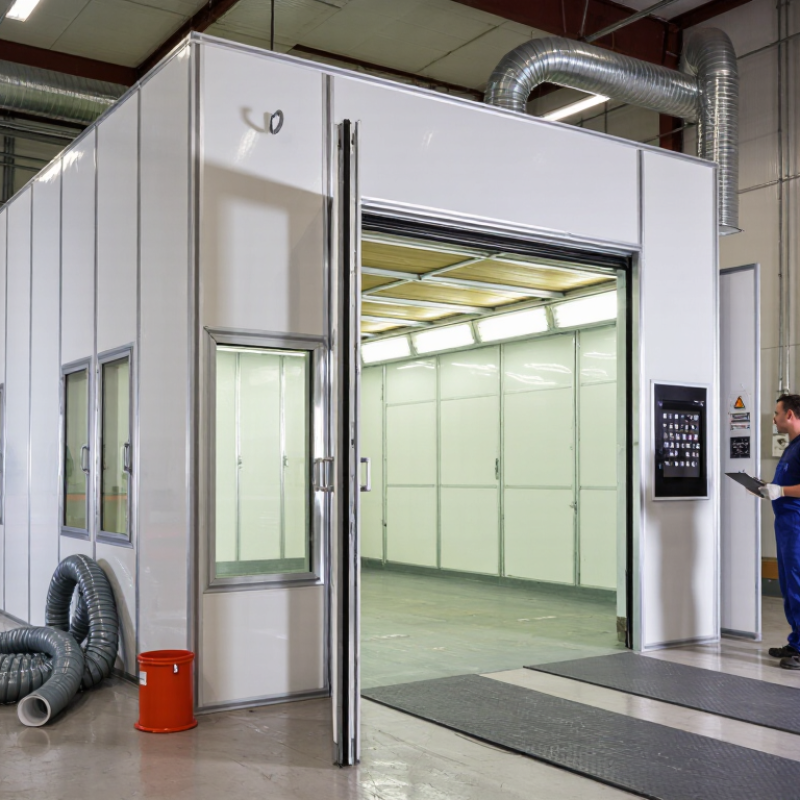
When searching for a used paint booth, filter listings by booth type before comparing prices. A crossdraft booth, for example, moves air from the front toward rear exhaust, while other layouts may suit different shop arrangements. Check the stated interior dimensions against the largest vehicle or part you expect to paint. Measure door openings, ceiling clearance, and space needed for filters and service access. A booth that fits on paper may still feel cramped once equipment is installed.
Ask sellers for airflow specifications and records from recent inspections or maintenance. Look for details on fan performance, duct condition, filter changes, and any airflow testing—not just a claim that the system “runs well.” Fire-safety records matter, too. Request dated service documents for suppression equipment, alarms, and related components, then have a qualified technician review them before purchase. The paperwork may be incomplete. That is worth noticing, even if the booth looks clean. Walk through the booth and inspect corners, seams, and floor areas for corrosion, overspray buildup, or damaged panels. If measurements or records conflict, pause and verify them; a quick sale can make careful checking feel inconvenient. Don’t guess.
Verify Applicable OSHA Airflow: At Least 100 ft/min at Booth Openings
How to Find a Used Paint Booth for Sale in 2026?
A used booth can look sound and still have weak airflow. For applicable spray-booth configurations, OSHA’s standard calls for an average air velocity of at least 100 feet per minute across the open face. Don’t rely on a seller’s old test sheet. Ask a qualified ventilation professional to measure airflow with the booth running, doors in their normal position, and filters installed. Note the readings at several points across the opening; a strong reading in one spot can hide a slow corner. Keep the test conditions and results in writing.
Tips: Check the fan, belts, filters, and exhaust path before testing. Ask when filters were last replaced. If the seller cannot arrange a live test, budget for an independent inspection before purchase. Small details matter.
Look for uneven dust patterns, rattling, or doors that pull inward during operation. These clues do not prove a problem, but they deserve a closer check. Confirm that the booth’s size and airflow suit your intended work, and compare its electrical and duct requirements with your site. I’ve seen buyers focus on the purchase price and overlook installation changes. That is an easy mistake. A measured result is more useful than a confident promise.
Confirm Vapor Levels Stay Below 25% of the LEL (OSHA 29 CFR 1910.107)
How to Find a Used Paint Booth for Sale in 2026?
Confirm Vapor Levels Stay Below 25% of the LEL (OSHA 29 CFR 1910.107)
When inspecting a used paint booth, ask for ventilation records and the booth’s service history. OSHA 29 CFR 1910.107 limits flammable vapor concentration to 25% of the lower explosive limit (LEL). The booth must maintain safe levels during actual spraying, not only while empty. Check exhaust fans, ductwork, filters, and makeup air for damage or poorly sealed joints. A clean exterior proves little.
Tips: Ask how vapor levels were measured, when testing occurred, and what materials were used. Request records for the booth’s current configuration. Test it live. Have a qualified ventilation or fire-safety professional assess the system under representative operating conditions. Older records may be incomplete, and that deserves a pause—not a guess.
Before purchase, confirm that the installed equipment and proposed use match the test conditions. Changes to coatings, spray volume, airflow, or booth layout can affect vapor levels. Ask for a written assessment and keep the results with maintenance records. If readings approach the 25% limit, do not treat a small margin as reassuring. Resolve the cause and retest before routine operation.