






In the evolving landscape of safety and construction, "Fire Resistance Glass" plays a pivotal role. Experts emphasize the importance of this specialized glass in protecting lives and property. John Smith, a leading fire safety engineer, once stated, "The right fire resistance glass can be a lifesaver during emergencies." This highlights the critical nature of choosing the appropriate glass for various applications.
When considering fire resistance glass, global buyers should focus on quality and certification. Many manufacturers offer products, but not all meet stringent safety standards. It’s vital to know what to look for to ensure reliability. Some options may appear cost-effective but could compromise safety.
Understanding the technical specifications is essential. Different environments require different levels of fire resistance. Buyers need to evaluate their specific needs carefully. Many overlook the impact of installation methods, which can significantly affect performance. Ensuring fire safety is a continual process, often needing reevaluation and fine-tuning.
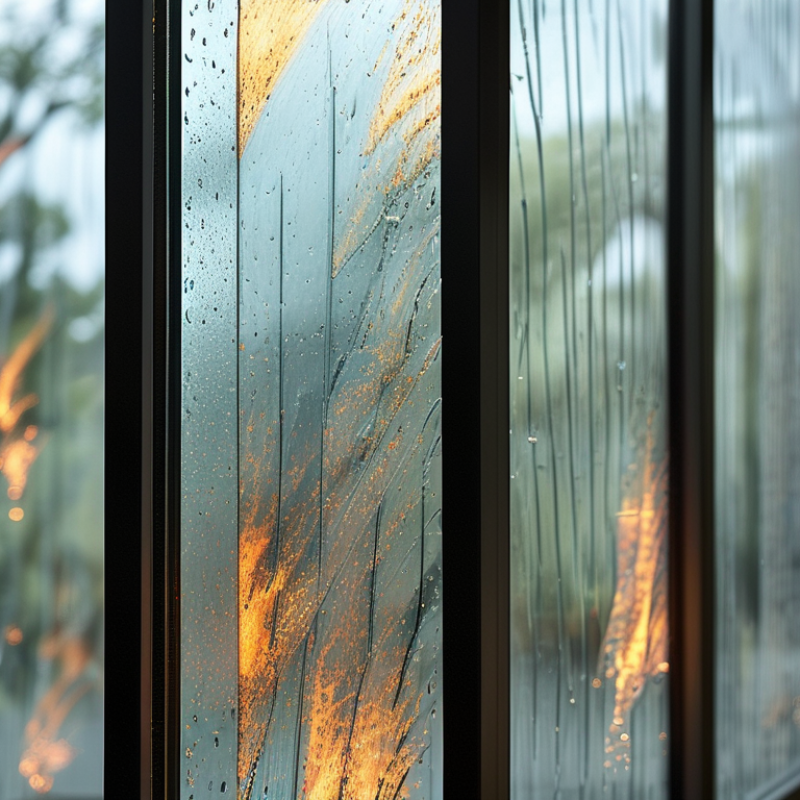
When purchasing fire-resistant glass, understanding its specifications is crucial. Look for ratings that determine how long the glass can withstand flames and heat. This is vital for safety in both residential and commercial buildings. Seek clarity on the glass's composition. Different types provide varying levels of resistance.
Consider the application environment. Fire-resistant glass can be used in doors, windows, and partitions. Each application might require different standards. Many buyers overlook that not all fire-resistant glass is the same. Investing time in research is essential. Knowledge about local building codes is also important.
Don’t forget about the installation process. Poor installation can negate the benefits of the glass. Consult professional installers for best practices. Always ask for certifications and test reports from suppliers. These documents speak to the glass's credibility. Lastly, educate yourself on maintenance needs after installation. Fire resistance is not a one-time feature; ongoing care is needed.
| Tip Number | Tip Description | Important Factors | Compliance Standards |
|---|---|---|---|
| 1 | Understand Fire Ratings | Temperature endurance, duration of fire resistance | ISO 834, ASTM E119 |
| 2 | Choose the Right Thickness | Glass thickness impacts performance and weight | EN 1363, EN 1634 |
| 3 | Consider Product Certification | Third-party certifications ensure quality and compliance | BS 476, UL 9 |
| 4 | Evaluate Installation Methods | Installation affects the glass’s integrity and performance | N/A |
| 5 | Confirm Supplier Reliability | Research and reviews matter for long-term partnership | N/A |
Fire resistance ratings in glass products are crucial for ensuring safety in buildings. These ratings indicate how long a glass can withstand exposure to flames and heat. Understanding these standards is essential for global buyers. We must recognize that fire ratings vary by region, and familiarizing ourselves with local codes is necessary.
Different tests measure fire resistance. For instance, the ASTM E119 test assesses how long a product can resist fire. Checking for compliance with international standards is vital. Not all sellers provide transparent information about fire ratings. This lack of clarity can lead to poor purchasing decisions.
Buyers should prioritize transparency when choosing fire-resistant glass. The documentation should clearly outline the product's fire performance. So much depends on accurate data. Misleading claims can jeopardize safety. Reflecting on our choices can enhance our understanding and ensure informed decisions. A well-informed buyer is a safer buyer.
When considering fire resistance glass, several key factors play a significant role in ensuring safety and compliance with regulations. Choosing the right type greatly impacts the effectiveness of fire protection in buildings. According to the International Fire Safety Standards, different products have varying reaction times and levels of heat resistance, which are crucial in emergency scenarios.
One critical tip is to assess the fire rating required for your specific project. Fire resistance glass is categorized by its ability to withstand flames and radiant heat. This rating usually ranges from 30 to 120 minutes of protection. Understanding your local building codes is vital. Compliance correlates with the right choice of materials for maximum safety.
Another important aspect is the glass thickness. Thicker glass typically offers better fire performance. Industry research indicates that a thickness of at least 6mm provides substantial resistance to thermal shock and breakage during fires. Be cautious, though; increased thickness can add significant weight and alter supports needed in your structure.
Lastly, consider the manufacturing and testing certifications of the glass you select. Products should be tested per recognized standards like EN 1364 or ASTM E119. Reliable sources indicate that certified products reduce risks and liabilities during unforeseen incidents. These factors enhance the reliability and credibility of the fire resistance glass in your selection process.
When selecting fire resistance glass, the choice between tempered and laminated glass is crucial. Tempered glass undergoes a heating and cooling process, making it four to five times stronger than regular glass. It shatters into small, blunt pieces when broken, reducing injury risk. Laminated glass, on the other hand, consists of multiple layers, which hold together even if shattered. This type provides better protection against fire and debris.
For global buyers, here are some tips to consider. Assess the specific needs of your building. Is structural integrity a priority, or is it primarily about safety during emergencies? Understand the local fire safety regulations, as they may dictate the type of glass required. Always consult with an expert in fire safety glass to gain insights into the best options available.
Moreover, consider the aesthetics of your choice. With both options offering great visibility, how do they integrate with your design? It's important to reflect on the balance between safety and appearance. Sometimes, buyers may overlook a significantly important detail or an innovative solution that meets both criteria effectively. Prioritize acquiring knowledge about the long-term durability of your preferred glass type, as this can vary significantly.
When it comes to fire resistance glass installation, following best practices is crucial for ensuring optimal performance. According to a report by the National Fire Protection Association, improperly installed fire-rated glass can diminish its effectiveness by up to 40%. This statistic highlights the need for precise adherence to installation guidelines.
One important tip is to ensure proper framing. Glass should be installed according to the manufacturer's specifications. The frame must be robust enough to hold the glass securely. Gaps can lead to thermal stress and compromise fire resistance. Another essential aspect is to use fire-rated sealants that can withstand high temperatures. Many experts recommend sealants that meet ASTM E814 standards for optimal results.
Training and certification are also vital. Installers must be skilled in reading detailed specifications and understanding local building codes. Regular training can reduce installation errors significantly. Reports indicate that well-trained installers can enhance the performance of fire-resistant systems by over 30%. Ensure ongoing education to stay updated with the latest advancements in technology and regulations.
This article highlights essential tips for global buyers when selecting Fire Resistance Glass. It begins with the importance of understanding fire resistance ratings and standards that govern glass products, ensuring that purchasers know the performance and regulatory requirements. Key factors are discussed, including the intended application, aesthetic preferences, and specific fire safety ratings needed.
The article also compares tempered and laminated fire resistance glass, emphasizing their unique properties and advantages in various settings. Best practices for installation are critical for achieving optimal fire resistance performance, and regular maintenance and inspection are highlighted as vital for ensuring the longevity and effectiveness of Fire Resistance Glass in protecting against fire hazards. This comprehensive guide serves as a valuable resource for those looking to make informed decisions in their procurement of fire safety materials.
Hein Minnie
Cell nr: +27 (0) 82 564 6501
Email: sale@thecirclemachine.com
Hein Minnie Jnr
Cell nr: +27 (0) 84 284 7234
Email: sale@thecirclemachine.com
Address:
10 Apsey Street,
Heidelberg,
Gauteng,
1441
Bendet Engineering Services (PTY) LTD was established in 1987. Our team of engineers and draughtsman are ready to deliver a complete turnkey solution, from the design phase to commissioning. A dedicated team that consists of electrical, mechanical and industrial engineers, we are able to offer a comprehensive service to our clients.