What is Flat Glass and its Applications in Various Industries?
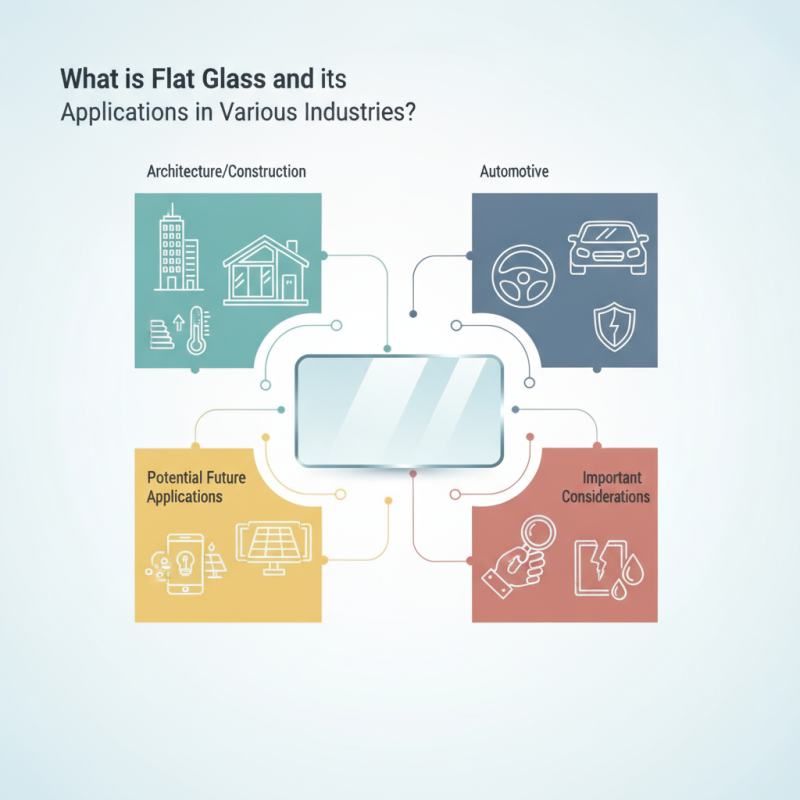
Flat Glass is a versatile material used across various industries. Its smooth, transparent surface makes it ideal for numerous applications. From architecture to automotive manufacturing, flat glass enhances both functionality and aesthetic appeal.
In the construction industry, flat glass provides natural light and insulation. Buildings utilize it for windows, facades, and skylights. Its ability to improve energy efficiency is notable. However, the need for proper installation and maintenance remains critical. Poor practices can lead to issues such as leaks or breakage.
In the automotive sector, flat glass is essential for safety and visibility. Windshields and side windows must meet stringent standards. They protect occupants while ensuring a clear view. Yet, even minor flaws can compromise safety. Regular inspections and quality checks are crucial. Flat glass demonstrates remarkable potential in multiple fields, but vigilance in usage is necessary.
Definition and Characteristics of Flat Glass
Flat glass, a common material, is versatile in many industries. It is made by melting raw materials like silica, soda ash, and limestone. This glass is usually smooth and transparent. Its unique properties include clarity, strength, and resistance to thermal stresses. These characteristics make it suitable for various applications.
In architecture, flat glass plays a critical role. It is used in windows, facades, and skylights. The use of flat glass can enhance aesthetics and improve energy efficiency. In automotive engineering, flat glass is essential for windshields and side windows. Its safety features are vital for passenger protection.
Tips: When selecting flat glass, consider the thickness and coatings. These factors can influence performance and insulation properties. Not all flat glass is the same; each type has specific advantages. Sometimes, choosing the right glass can be complex, which requires careful evaluation of needs.
Applications of Flat Glass in Various Industries
Types of Flat Glass: Common Varieties and Manufacturing Processes
Flat glass is a crucial material widely used across various industries. Understanding its types and manufacturing processes is essential for its effective application.
There are several common varieties of flat glass. Float glass is the most widely produced type. It's made by floating molten glass on top of molten tin. This process creates a smooth, even surface.
Another type is tempered glass, known for its strength. It's heated and then rapidly cooled, making it much tougher than regular glass.
Laminated glass combines layers to enhance safety. This type is often used in buildings and cars due to its shatter-resistant properties.
Manufacturing processes vary for each type. The float process is fascinating yet simple. It involves pouring molten glass onto tin, allowing gravity to form a flat sheet.
Conversely, making tempered glass requires precise control of heat. An error can lead to breakage during the heating or cooling stages.
Laminated glass involves bonding two or more layers together with an interlayer. This process can sometimes produce bubbles or inconsistencies, requiring further refinement. Such challenges remind us of the importance of quality control in glass production.
Industrial Applications of Flat Glass in Architecture and Construction
Flat glass serves as a vital component in the architecture and construction sectors. Its use has seen significant growth, estimated to reach over 12 million tons by 2025, according to industry reports. This increase highlights the material's versatility in various applications, from windows to facades. Architects often choose flat glass for its aesthetic appeal and energy efficiency. The incorporation of low-emissivity coatings enhances insulation, making buildings more sustainable.
In construction, flat glass contributes more than just aesthetics. It alleviates reliance on artificial lighting, leading to reduced energy consumption. Many modern buildings utilize expansive glass panels to create open spaces that foster natural light. Yet, challenges arise in ensuring safety and durability. Testing standards, such as those from ASTM International, help address these concerns. Despite advancements, the industry still grapples with issues like glass breakage and thermal stress. Resilience in design is crucial to mitigate these risks effectively.
The market is shifting towards smart glass technology, which offers dynamic control over light and heat. However, this innovation requires significant investment and expertise. The integration of smart glass into building designs presents both opportunities and challenges. It needs careful consideration to balance innovation with practicality. As the construction sector evolves, so too will the applications and standards governing flat glass use.
Flat Glass in Automotive Industry: Uses and Innovations
The automotive industry significantly benefits from flat glass. This material is essential for windshields, windows, and mirrors. According to a report by Grand View Research, the global flat glass market in the automotive sector is projected to grow at a compound annual growth rate (CAGR) of over 6% through 2025. This increase highlights the importance of glass in vehicle design, safety, and aesthetics.
Innovations in flat glass technology are reshaping the automotive landscape. One example includes the development of laminated glass. This type of glass enhances safety by reducing the likelihood of shattering during accidents. Additionally, solar control glass is gaining traction. It effectively minimizes heat buildup inside vehicles, enhancing passenger comfort. However, challenges remain in terms of weight reduction. Heavier glass can affect fuel efficiency, prompting manufacturers to seek lighter materials.
While advancements are impressive, the industry faces sustainability challenges. The production of flat glass requires significant energy. Efforts to recycle glass are ongoing but need more attention. This highlights a crucial area for development. Engaging in sustainable practices is vital for the automotive industry's eco-friendly future. Stakeholders must rethink their strategies to balance innovation and environmental impact.
What is Flat Glass and its Applications in Various Industries? - Flat Glass in Automotive Industry: Uses and Innovations
| Application | Description | Benefits | Innovations |
| Windshields | Provide clarity, protect passengers, and enhance vehicle aerodynamics. | Improved safety and reduced noise. | Smart glass technology, sound-proofing films. |
| Side Windows | Enhances visibility and provides structural integrity. | Increased security and comfort. | Tinted glass for UV protection, laminated safety glass. |
| Rear Windows | Provides rear visibility and contributes to overall design. | Aesthetic appeal and rear windshield defrosting. | Heated glass technology for winter driving. |
| Sunroofs | Adds light and enhances ventilation within the vehicle. | Increased passenger enjoyment and cabin air circulation. | Panoramic roofs, electrochromatic glass. |
Flat Glass in Electronics and Solar Technology Applications
Flat glass plays a vital role in electronics and solar technology. In the electronics industry, flat glass is used in displays, touch screens, and photovoltaic cells. According to a report by Research and Markets, the global flat glass market in electronics is expected to reach USD 70 billion by 2026. This growth is largely driven by the rising demand for LED and LCD screens in consumer electronics.
In solar applications, flat glass is essential for manufacturing solar panels. Transparent and durable, it allows maximum light penetration. The International Energy Agency reported that solar power generation has grown by 20% annually. Flat glass enhances energy efficiency in solar panels, making them more effective. However, there are concerns regarding the environmental impact of glass production, which generates CO2 emissions.
Tips: Consider using low-iron flat glass for better light transmission in solar panels. It can improve energy output significantly.
Another tip: Always evaluate the recycling options for flat glass. This can reduce waste and support sustainability in manufacturing. Making informed choices is crucial for both quality and eco-friendliness.