








Choosing the right Lockout Padlock is a practical decision about energy control, not a simple color preference. A reliable padlock must resist corrosion, identify one authorized worker, and remain secure in oily, wet, or dusty conditions. Its body should fit the hasp, while its shackle should resist cutting and accidental release. Small details matter. A cramped shackle can prevent proper installation.
The Occupational Safety and Health Administration (OSHA) reports that effective lockout/tagout practices can prevent approximately 120 workplace fatalities and 50,000 injuries each year. OSHA’s Control of Hazardous Energy standard also requires employers to use procedures, training, and suitable devices. These figures show why selection should follow a documented risk assessment. The International Labour Organization similarly emphasizes that machinery isolation must be clear, verifiable, and maintained throughout servicing. However, reports rarely show the daily problems technicians face, such as frozen keyways or missing identification labels.
Thomas A. Smith, a recognized industrial safety consultant, has stated, “A lockout device is only effective when it is used correctly and consistently.” That principle deserves attention. A durable Lockout Padlock should support personal ownership, clear identification, and routine inspection. Consider keyed-alike systems only when procedures justify them. Otherwise, unique keys reduce confusion. Test the padlock with gloves on. Check it beside the actual disconnect switch. The best choice may not be the most expensive model. It is the one workers can recognize, apply, and trust under pressure. Even careful programs need review, because equipment, weather, and human habits change.
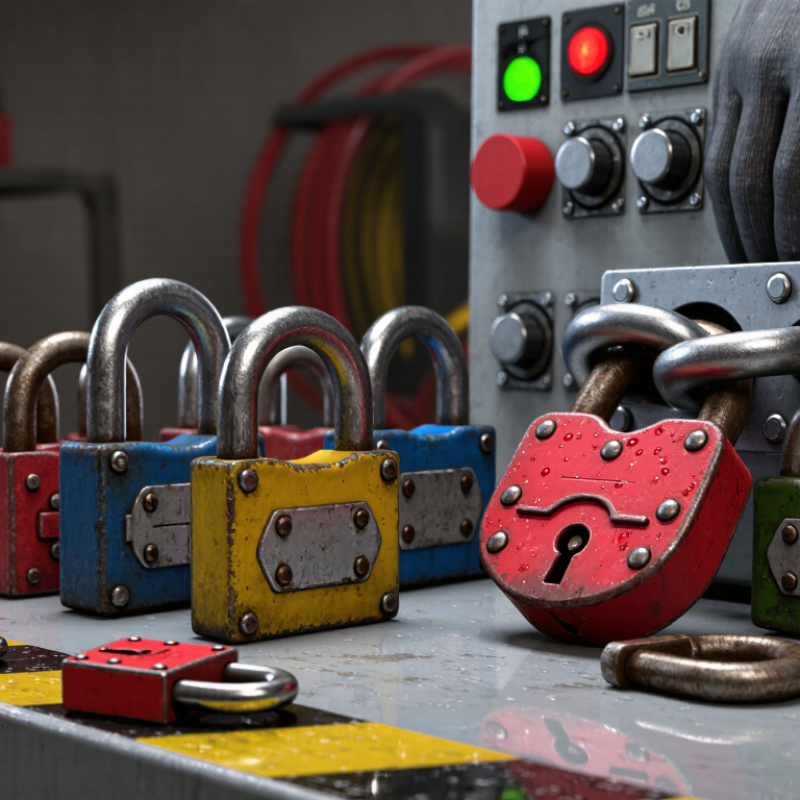
How to Choose the Right Lockout Padlock?
A lockout padlock is not an ordinary security lock. It identifies who controls hazardous energy during servicing. The U.S. Occupational Safety and Health Administration estimates that effective lockout/tagout practices prevent about 120 deaths and 50,000 injuries annually. Source: OSHA, Control of Hazardous Energy, 2023.
Start with the workplace hazard, not the color. Check whether the lock faces electricity, chemicals, heat, dust, moisture, or heavy machinery. A durable body and corrosion-resistant shackle matter in wet maintenance areas. Non-conductive materials may suit specific electrical environments, but a qualified safety professional should confirm that choice. The shackle must fit the isolation point without forcing it. Small details matter.
Use one uniquely assigned lock for each authorized worker. It should be easy to identify, even under dim lighting or with oily gloves. A clear key-control system also prevents accidental removal. OSHA 29 CFR 1910.147 requires lockout devices to be durable, standardized, substantial, and identifiable. That sounds simple. It is not always simple in practice. A brightly colored lock can still fail if its label fades, its key is shared, or its shackle cannot reach the disconnect. Review the equipment layout, worker habits, and climate before purchasing. Recheck the choice after drills or near misses.
| Selection Dimension | Workplace Requirement | Recommended Padlock Characteristics | Why It Matters |
|---|---|---|---|
| Primary purpose | Isolating hazardous energy during maintenance, servicing, or repair | A dedicated safety padlock used only for lockout/tagout procedures | A dedicated lock helps prevent accidental removal or use for non-safety purposes. |
| Body material | Indoor areas, general industrial facilities, or locations exposed to moisture and chemicals | Select a material with suitable corrosion resistance, such as anodized aluminum, reinforced polymer, or stainless steel. | Material selection affects service life, weight, visibility, and resistance to the workplace environment. |
| Shackle material | Electrical work, general mechanical work, or corrosive environments | Use a non-conductive shackle where electrical hazards require it; use hardened or corrosion-resistant metal for mechanical and outdoor applications. | The shackle should suit both the hazard type and the physical conditions around the energy-isolating device. |
| Shackle clearance | Disconnects, valves, circuit breakers, or hasps with limited access | Measure the required shackle diameter, vertical clearance, and horizontal reach before purchase. | A lock that cannot pass through the isolation point cannot provide effective lockout protection. |
| Key control | Personal lockout, group lockout, or controlled maintenance programs | Choose a keying system that supports individual control, authorized key management, and documented replacement procedures. | Only the authorized worker should control the key for a personal lockout device. |
| Color coding | Facilities with multiple departments, shifts, or maintenance teams | Use consistent, high-visibility colors assigned by department, role, or lockout category. | Color coding supports quick identification but should not replace labels, procedures, or worker training. |
| Identification | Individual accountability and multi-worker lockout operations | Provide space for a durable label showing the worker’s name, identification number, department, or contact information. | Clear identification helps determine ownership and supports safe removal procedures. |
| Environmental resistance | Outdoor locations, washdown areas, high humidity, dust, or chemical exposure | Select a lock with corrosion-resistant components and a design that limits water and debris entry. | Environmental damage can make a lock difficult to operate or prevent proper removal. |
| Operating temperature | Cold storage, outdoor winter work, high-temperature areas, or process plants | Verify that the padlock, key, lubricants, and labels are suitable for the actual temperature range. | Extreme temperatures can affect key movement, material strength, and label readability. |
| Electrical suitability | Work near energized equipment or where accidental contact with electrical parts is possible | Follow the site electrical safety assessment and select a non-conductive design when required; do not treat the padlock as electrical insulation unless specifically tested and rated for that use. | Lockout hardware must support the electrical safety procedure without creating additional hazards. |
| Group lockout compatibility | Several authorized workers must maintain personal control of the same energy-isolation point | Use a padlock compatible with lockout hasps, group lock boxes, or other approved group lockout devices. | Each authorized worker should be able to apply and remove their own personal lock according to the site procedure. |
| Tamper resistance | Areas where unauthorized removal or interference is a concern | Choose a robust body, protected shackle design, and a key-retention feature where appropriate. | The lock should remain secured until the authorized removal process has been completed. |
| Inspection and maintenance | All workplaces using lockout/tagout equipment | Inspect regularly for corrosion, bent shackles, damaged bodies, worn keys, blocked keyways, and unreadable labels. | Damaged or unreliable locks should be removed from service and replaced according to the employer’s procedure. |
| Compliance and training | Organizations operating formal energy-control programs | Select hardware that is consistent with applicable regulations, risk assessments, written procedures, and employee training. | A padlock is only one part of an effective lockout program; procedures and training are also essential. |