






Industrial Ball Valve Manufacturing is a crucial sector in the industrial valve industry. This process involves creating ball valves that are essential in various fluid control applications. These valves ensure precise regulation and flow of liquids and gases. Companies in this field must emphasize quality and durability to meet industry standards.
The benefits of Industrial Ball Valve Manufacturing are substantial. High-quality ball valves enhance safety and efficiency in operations. They minimize leakages and reduce maintenance costs. Expertise in manufacturing techniques leads to innovative designs that cater to specific needs. However, it is vital to address challenges such as the cost of materials and skilled labor shortages.
In conclusion, understanding Industrial Ball Valve Manufacturing helps businesses make informed decisions. The evolving industrial landscape demands reliable products that can improve performance. A thorough grasp of this manufacturing process can lead to better operational outcomes and increased competitiveness in the market.
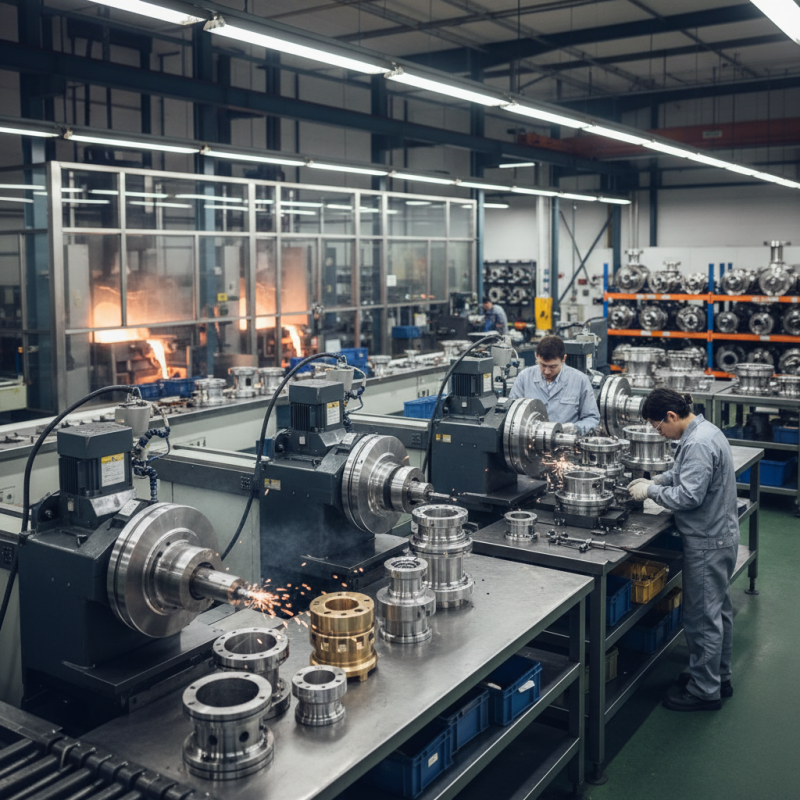
The industrial ball valve manufacturing process is complex yet fascinating. It begins with the selection of raw materials, typically high-grade metals like stainless steel or carbon steel. This choice impacts the valve's durability and performance. Afterward, the manufacturing process includes machining, where the valve body is shaped with precision. Tools like CNC machines ensure accuracy, but limitations in tooling can lead to variances in dimensions.
Next, the assembly phase takes place. This includes the careful installation of components such as the ball, seats, and stem. Each part must fit perfectly for optimal functionality. However, inconsistencies can arise during this stage, raising questions about quality assurance. After assembly, the valves undergo rigorous testing. These tests assess pressure, leakage, and durability. Still, not all tests can simulate real-world conditions accurately.
Finally, the surface finishing is completed, enhancing both the appearance and corrosion resistance of the valve. Aesthetic choices can sometimes obscure underlying flaws. As manufacturers strive for perfection, they must also consider real-life usability. Understanding these nuances is crucial for ensuring reliable valve performance in various industrial applications.
Ball valves are increasingly vital in various industrial applications. The production of these valves relies heavily on quality materials that ensure durability and performance. The primary materials include stainless steel, brass, and PVC. Each material offers distinct advantages, impacting cost and application suitability.
Stainless steel is the most commonly used material. According to industry reports, it accounts for approximately 50% of ball valve production. This material offers excellent corrosion resistance, making it ideal for harsh environments. Brass follows closely, known for its strength and versatility. It’s often used in plumbing applications due to its affordability and ease of machining. While PVC is a lighter alternative, it is highly suitable for low-pressure applications and water systems.
Understanding material properties is crucial for selecting the right ball valve. Each has its limitations. For instance, while stainless steel is robust, it can be more expensive. Brass may tend to corrode in extreme conditions, and PVC lacks the strength for high-pressure operations. These factors require careful consideration in manufacturing. Optimizing material selection enhances reliability and longevity in operation.
Industrial ball valves are crucial in various sectors. Their design allows easy regulation of fluid flow. One major advantage is their excellent sealing capability. They can completely stop fluid movement, preventing leaks. This is essential in industries like oil and gas. A small leak can lead to significant hazards.
Another key benefit is durability. Ball valves are built to withstand high pressure and temperature. They perform well in harsh environments, extending their operational lifespan. Their simplicity in construction makes them easy to maintain. Routine checks are generally sufficient to ensure functionality. However, neglecting this aspect can lead to failures.
Efficiency is another hallmark of ball valves. They can be fully opened or closed quickly, minimizing downtime. This rapid operation translates to increased productivity in manufacturing processes. There are concerns, though, about their application in very viscous fluids. In some cases, performance may decline. This aspect requires careful consideration during valve selection.
Ball valves are crucial components in various industries. They provide reliable shut-off and flow control. These valves are especially valuable in applications that require quick operation and a tight seal. You'll find them in oil and gas, water treatment, and power generation. Their widespread use highlights their importance in managing fluids effectively.
In the oil and gas sector, for instance, ball valves manage high-pressure processes. They ensure safety and efficiency during extraction and transport. Water treatment facilities use these valves for controlling water flow and maintaining system pressure. Their ability to withstand harsh conditions makes them indispensable. However, not all ball valves may meet every specific need. Regular assessments are essential to identify wear and performance degradation.
Chemical processing also benefits from ball valves. They safely handle corrosive substances, which is critical for maintaining operational integrity. The pharmaceutical industry relies on them to control sterile environments. Users must regularly evaluate their performance, as neglect can lead to failures. Addressing these challenges ensures that industries maximize the benefits of ball valves, enhancing overall efficiency and safety.
Quality control in ball valve manufacturing is crucial to ensure product reliability. It involves rigorous testing and inspection protocols. Each valve undergoes a series of tests before reaching the market. These tests assess durability, pressure tolerance, and operational efficiency.
Implementing effective quality control measures can significantly reduce defects. Regular audits of the manufacturing process help identify potential issues early. Utilizing advanced technology, such as automated inspection systems, enhances precision in detecting inconsistencies.
Tips: Always engage experienced professionals in quality assessments. They can provide insights that often go overlooked. Keep an eye on the latest industry standards, as they evolve frequently. Adjusting your quality measures to comply can improve overall product performance. Remember, a small oversight might lead to larger implications later on.
| Parameter | Description | Benefits |
|---|---|---|
| Material Selection | Choosing suitable materials like stainless steel or PVC for durability and corrosion resistance. | Improved longevity and reduced maintenance costs. |
| Precision Machining | Using CNC technology for high precision in valve components. | Enhanced sealing performance and reduced leaks. |
| Pressure Testing | Conducting hydrostatic and pneumatic tests to ensure integrity under pressure. | Increased safety and compliance with industry standards. |
| Coating and Finishing | Applying protective coatings to prevent corrosion and wear. | Enhanced aesthetic appeal and extended valve life. |
| Quality Assurance Procedures | Implementing systematic inspections throughout the manufacturing process. | Reduced defect rates and improved product reliability. |
Hein Minnie
Cell nr: +27 (0) 82 564 6501
Email: sale@thecirclemachine.com
Hein Minnie Jnr
Cell nr: +27 (0) 84 284 7234
Email: sale@thecirclemachine.com
Address:
10 Apsey Street,
Heidelberg,
Gauteng,
1441
Bendet Engineering Services (PTY) LTD was established in 1987. Our team of engineers and draughtsman are ready to deliver a complete turnkey solution, from the design phase to commissioning. A dedicated team that consists of electrical, mechanical and industrial engineers, we are able to offer a comprehensive service to our clients.