Maximizing Efficiency in Industrial Paint Booths: Essential Trends and Technologies Driving Performance
In the rapidly evolving landscape of manufacturing, maximizing efficiency within industrial paint booths has become crucial to maintaining competitive advantage. Recent industry reports indicate that advanced technologies can enhance productivity by up to 30%, while reducing material waste significantly. With the global market for industrial paint booths expected to reach $3.5 billion by 2026, stakeholders are keenly aware of the trends that drive performance in this sector.

Experts like Dr. Emily Carter, a leading figure in industrial coatings technology, emphasize the importance of these advancements: “The integration of smart technologies in industrial paint booths not only streamlines processes but also elevates the quality of finishes, setting new standards across industries.” As manufacturers seek to optimize their operations, understanding the essential trends—from automation to improved energy efficiency—will be pivotal. As we delve into these critical elements, it becomes evident that the future of industrial paint booths lies in innovative practices that prioritize both efficiency and sustainability.
Emerging Technologies Revolutionizing Industrial Paint Booth Performance
Emerging technologies are revolutionizing the performance of industrial paint booths, leading to improved efficiency, reduced waste, and enhanced product quality. According to a recent report by MarketsandMarkets, the global industrial coatings market is projected to reach $150 billion by 2025, driven largely by advancements in application equipment and process automation. Innovations such as robotic painting systems have significantly increased the precision and speed of paint application, minimizing overspray and material waste. Additionally, smart sensors integrated into paint booths help monitor environmental conditions and adjust parameters in real-time, ensuring optimal curing and coating adhesion.
Tip: Consider implementing robotic arms for painting. These systems can operate continuously, decreasing labor costs and increasing consistency in finish quality.
Another trend is the adoption of water-based and low-VOC paints, prompted by stringent environmental regulations. These eco-friendly options not only comply with regulations but also have shown to reduce hazardous emissions by up to 90%, according to a study conducted by the Environmental Protection Agency. Such materials enhance workplace safety and align with sustainability goals.
Tip: Regularly train your staff on the latest coating technologies and materials. Staying informed can lead to better application techniques and a quality boost in your production process.
Sustainable Practices That Enhance Efficiency and Reduce Waste
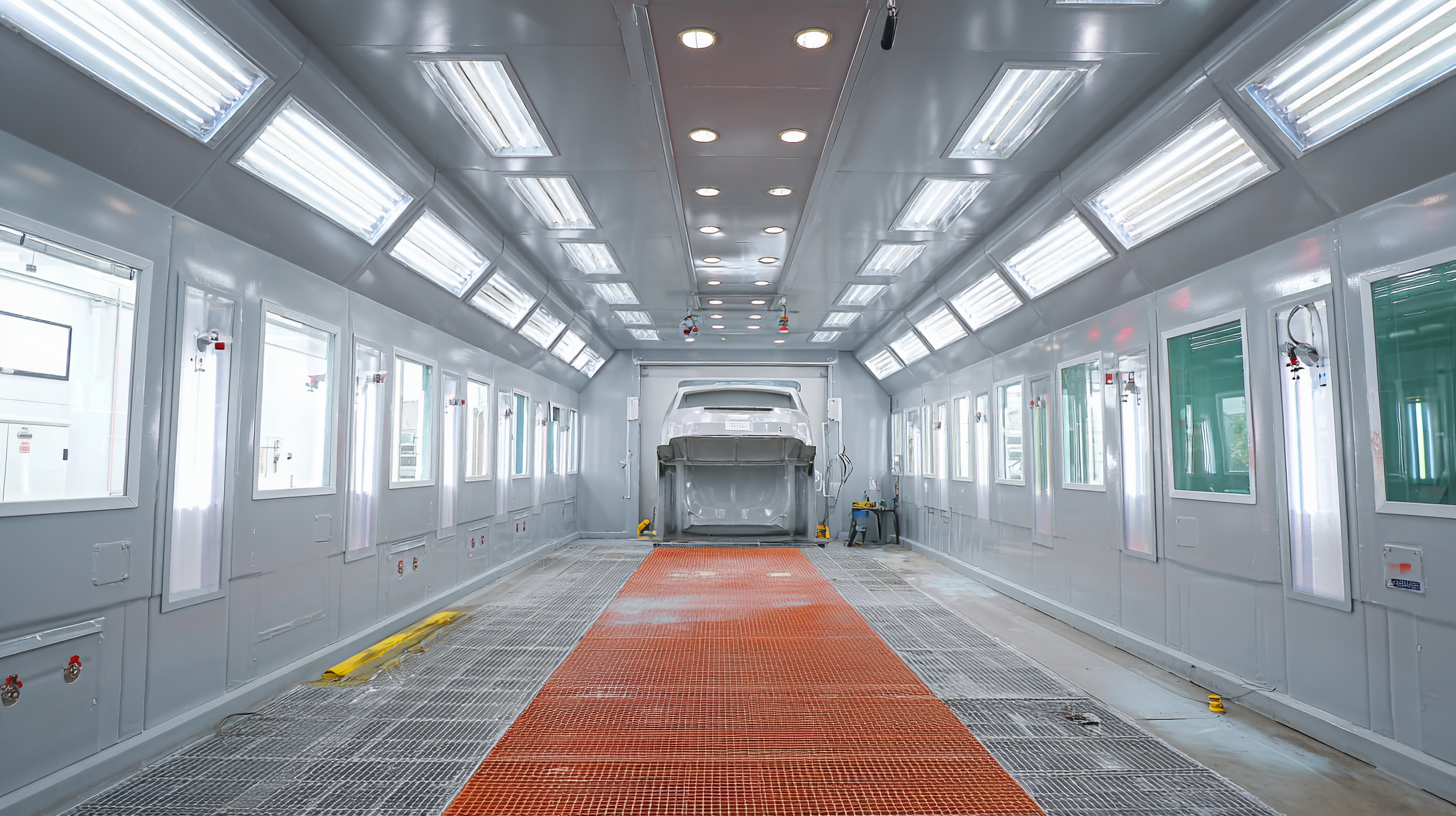 In the quest for operational excellence, the industrial paint booth sector is seeing a strong shift towards sustainable practices. Integrating eco-friendly materials and methods not only enhances efficiency but also significantly reduces waste. By adopting water-based paints and low-VOC (volatile organic compound) options, companies can improve air quality while minimizing harmful emissions. Furthermore, the implementation of advanced filtration systems allows for the recycling of solvents and other resources, presenting a win-win solution for both productivity and the environment.
Tip: Regular maintenance of paint booths ensures optimal performance and extends the life of equipment. By conducting routine checks on airflow and filter systems, businesses can identify potential issues early, preventing costly downtimes.
Moreover, adopting lean manufacturing principles in paint application processes can drastically streamline operations. Techniques such as just-in-time (JIT) production not only reduce excess inventory but also help in managing resources more effectively. This approach encourages a culture of continuous improvement where waste is meticulously analyzed and eliminated.
Tip: Training employees on the latest technologies and sustainable practices cultivates a knowledgeable workforce that can better adapt to industry changes, driving efficiency while reinforcing commitment to sustainability.
Automation in Paint Booth Operations: Streamlining Workflow and Productivity
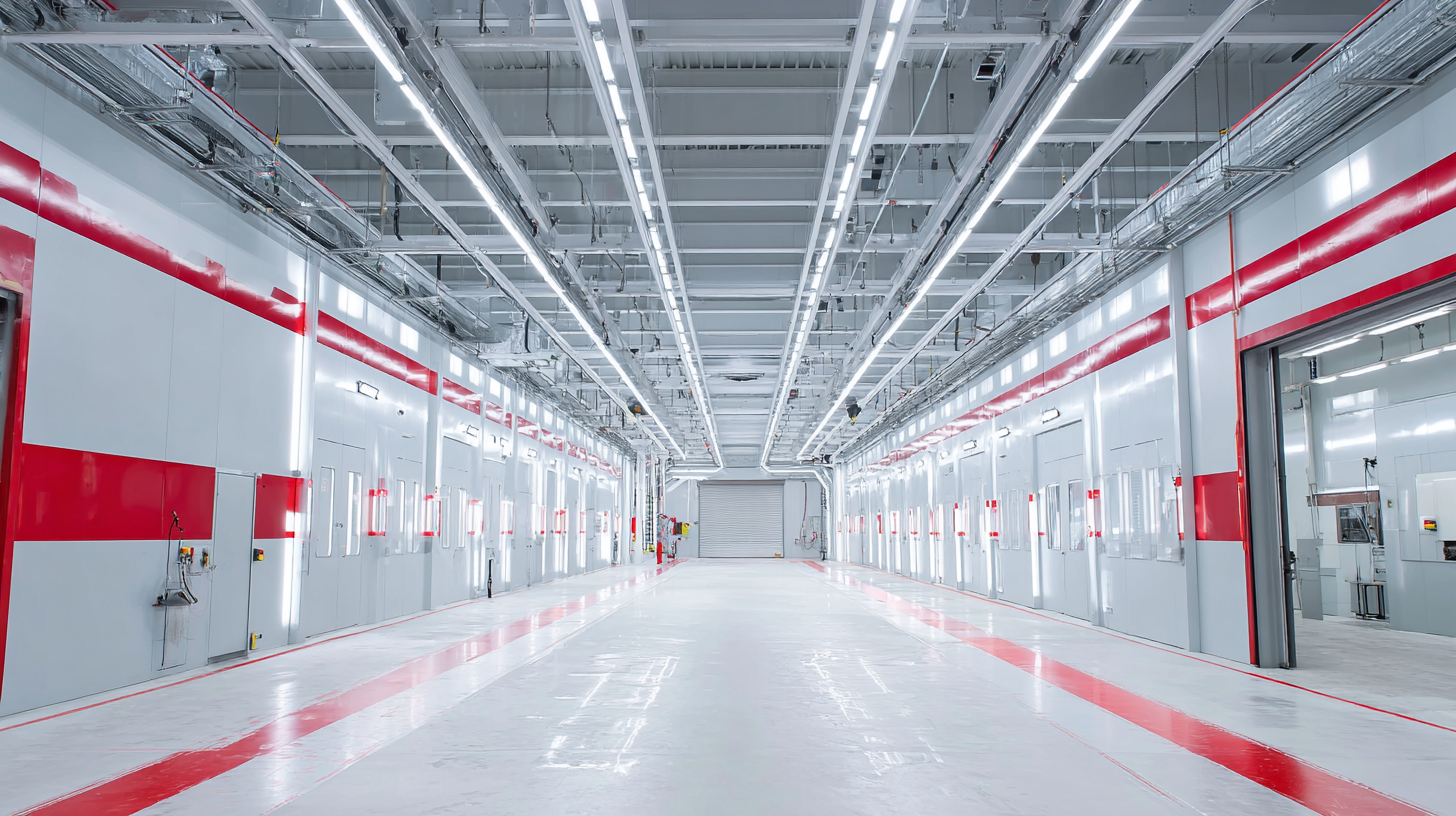 The integration of automation in paint booth operations has revolutionized the industrial painting landscape, allowing manufacturers to streamline workflow and enhance productivity significantly. By incorporating advanced robotic systems and automated processes, companies can achieve precise and consistent application of coatings, reducing human error and minimizing waste. These automated systems not only improve the quality of the finish but also decrease the overall time required for painting, leading to faster project turnaround times.
Moreover, data-driven technologies, such as IoT sensors and machine learning algorithms, play a pivotal role in optimizing paint booth operations. These tools provide real-time monitoring and analytics, allowing for immediate adjustments to processes and conditions, which ultimately maximizes efficiency. By utilizing predictive maintenance, businesses can anticipate equipment failures before they occur, thereby minimizing downtime and ensuring continuous operation. This sophisticated blend of automation and technology signifies a crucial trend in the industrial paint sector, fostering an environment of enhanced productivity and operational effectiveness.
Key Safety Enhancements in Modern Paint Booth Design
In modern industrial paint booth design, safety enhancements are paramount to ensuring not only the well-being of workers but also compliance with stringent regulations. According to a report by the Occupational Safety and Health Administration (OSHA), nearly 50% of workplace injuries occur in environments with poor safety practices. This statistic underscores the necessity of integrating advanced safety technologies into paint booth systems. Features like enhanced ventilation, explosion-proof lighting, and proper fire suppression systems are imperative to mitigate risks associated with flammable materials.
Moreover, the adoption of automated monitoring systems is gaining traction in the industry.
These systems utilize real-time data analytics to track air quality, temperature, and humidity levels, ensuring they remain within safe operating thresholds. A study from the American National Standards Institute (ANSI) suggests that implementing these technologies can reduce hazardous incidents by over 30%. By prioritizing worker safety through innovative design and technology, industrial paint booths are not only optimizing performance but also fostering a culture of safety that is vital in today’s manufacturing landscape.
Integrating Smart Systems for Real-Time Monitoring and Control
The integration of smart systems in industrial paint booths has revolutionized the way manufacturers monitor and control their operations in real time. By leveraging Internet of Things (IoT) technology, companies can now gather and analyze data from various sources, including sensors and automated equipment, to optimize processes. This real-time feedback allows for immediate adjustments, ensuring that paint application is consistent and high-quality, ultimately reducing waste and enhancing productivity.
Additionally, the use of advanced analytics and machine learning algorithms offers predictive maintenance capabilities, minimizing downtime and enhancing operational efficiency. Smart systems provide insights into equipment performance and environmental conditions, enabling operators to proactively address potential issues before they escalate. As a result, businesses not only improve their paint booth efficiency but also lower operational costs while meeting environmental regulations. The transition towards these intelligent systems signifies a significant shift in industrial practices, fostering increased competitiveness in the market.
Maximizing Efficiency in Industrial Paint Booths: Essential Trends and Technologies Driving Performance - Integrating Smart Systems for Real-Time Monitoring and Control
| Trend/Technology |
Description |
Benefits |
Adoption Rate (%) |
| Automated Color Matching |
Systems that analyze color samples to suggest precise paint mixes. |
Improves accuracy, reduces waste, and speeds up process. |
68% |
| IoT Integration |
Connecting paint booths to IoT for real-time data access. |
Enhances monitoring, predictive maintenance, and performance metrics. |
58% |
| Smart Temperature Control |
Automated systems that maintain optimal curing temperatures. |
Reduces energy consumption and improves finish quality. |
75% |
| Artificial Intelligence (AI) Analytics |
Using AI for data analysis to optimize paint application techniques. |
Improves consistency and reduces human error. |
45% |
| Enhanced Ventilation Systems |
Modern systems that optimize airflow within the booth. |
Improves worker safety and paint application quality. |
62% |