





The PVC Double Belt Conveyor represents an essential component in modern material handling systems. Its design integrates two parallel belts, allowing for efficient transportation of products in various industries. Reports indicate that the global conveyor systems market is projected to reach USD 8.5 billion by 2025, underscoring the increasing reliance on advanced conveyor solutions like the PVC Double Belt Conveyor.
This conveyor type stands out for its versatility and efficiency. It can handle various materials, including delicate items that require careful transport. In food processing, for instance, the use of PVC materials ensures compliance with safety standards. However, not all installations meet expectations. Some may experience issues like wear and tear, leading to potential operational disruptions. Understanding these limitations is crucial for maximizing efficiency.
When selecting a PVC Double Belt Conveyor, considering manufacturer specifications is vital. Careful evaluation can prevent costly mistakes in system design. Industry experts emphasize the importance of regular maintenance to avoid unexpected failures. Although these conveyors significantly enhance productivity, ongoing assessments are essential for long-term success.
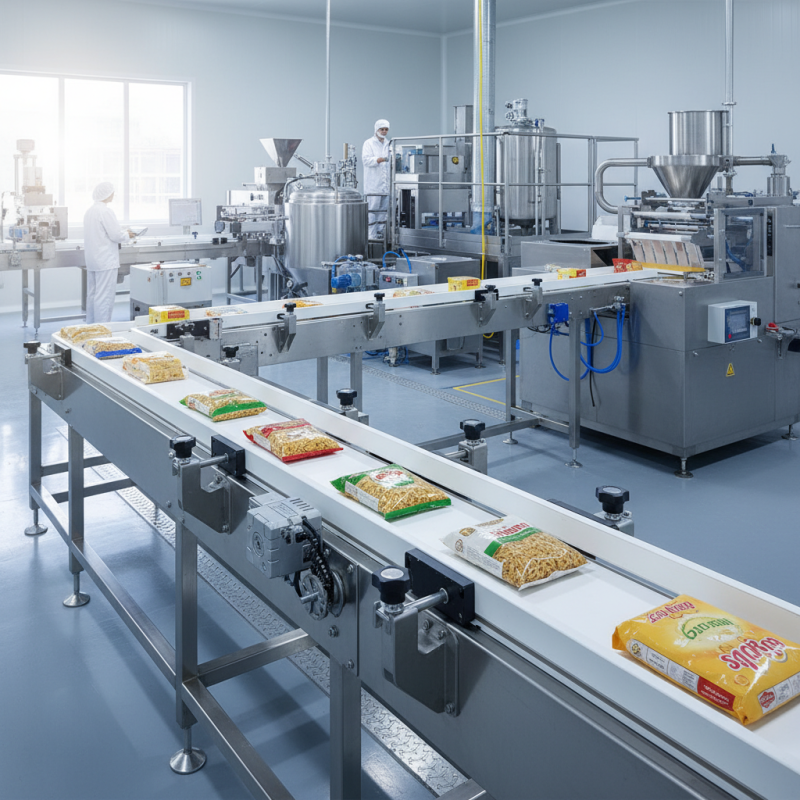
PVC double belt conveyors are essential in various industries. Their design features two parallel belts made of polyvinyl chloride (PVC). This system allows for efficient transportation of goods while minimizing the risk of product damage. It is often used in sectors like food processing, packaging, and textile manufacturing. Reports indicate that the global conveyor systems market is expected to grow at a CAGR of 4.5% between 2023 and 2028.
One advantage of PVC double belt conveyors is their flexibility in handling different types of materials. The belts can maintain a consistent speed and are designed to operate smoothly under various load conditions. Industry experts have noted that these conveyors can enhance production efficiency by reducing downtime. However, it's crucial to regularly inspect the belts for wear and tear. Neglecting this can lead to unplanned maintenance costs.
Tip: Ensure proper alignment of the belts to reduce friction and extend conveyor lifespan. Regular maintenance checks are vital. Check for any potential misalignment or debris buildup. This will help maintain optimal performance. Too often, issues are overlooked until they cause significant problems.
PVC double belt conveyors are robust systems essential in various industries. They use two parallel belts, allowing for improved load stability and versatility. Key components of these conveyors include the belts, drive motors, and support structures.
The belts are typically made of durable PVC material, which offers excellent wear resistance and can handle a wide range of materials. A study from the Conveyor Equipment Manufacturers Association (CEMA) states that conveyors with superior belt quality can enhance productivity by up to 30%. Drive motors are responsible for the movement of the belts. They must be selected based on the weight and type of the materials being transported.
Support structures such as frames and rollers are crucial for maintaining alignment. A robust support system ensures that the conveyor operates smoothly and reduces the risk of breakdowns. Proper maintenance is vital; reports indicate that nearly 50% of conveyor system failures are due to inadequate inspection and care. Therefore, understanding the components and their functions can lead to improved efficiency and longevity of the PVC double belt conveyor system.
PVC double belt conveyors are gaining traction in industries requiring robust material handling solutions. These systems consist of two parallel belts, promoting stability and efficient transport of materials, even in challenging conditions. According to a recent report by the Material Handling Industry of America, integrating a PVC double belt conveyor can increase operational efficiency by up to 30%. This is particularly valuable in manufacturing and logistics, where downtime can be costly.
Efficiency stems from their ability to handle a wide range of materials, including fragile components, without damaging them. The dual-belt design minimizes the risk of slippage or misalignment. This consideration is vital, as a reported 15% of companies face productivity issues due to unreliable conveyor systems. Addressing these inefficiencies can be crucial for maintaining a competitive edge. However, the installation process may seem complex and requires skilled technicians.
While PVC double belt conveyors can greatly enhance material flow, they are not without challenges. Maintenance remains a critical aspect that companies often overlook. Regular wear and tear, especially in high-volume scenarios, can lead to unexpected downtimes. Companies need to implement timely inspections to mitigate these risks effectively. Balancing efficiency with maintenance strategy is essential for long-term operational success.
PVC double belt conveyors are integral to many industries due to their versatility and efficiency. These systems are designed with two parallel belts, which enable precise handling of various materials. They are commonly used in food processing, packaging, and manufacturing sectors. In food processing, for instance, they transport delicate items like fruits or vegetables without damage. The design minimizes the risk of contamination, ensuring food safety.
Apart from food applications, PVC double belt conveyors excel in the cosmetic and pharmaceutical industries. They transport products like bottles or containers, maintaining a clean environment. Additionally, their adjustable speeds allow for careful handling of sensitive materials. In manufacturing, these conveyors are invaluable for assembly lines, moving products efficiently between different stages.
Despite their advantages, challenges exist. Maintenance can be demanding, requiring regular checks to prevent breakdowns. Operators need training to ensure safety and efficiency. Sometimes, the initial investment can deter smaller businesses, even though long-term savings occur. Reflecting on these aspects helps industries make informed decisions when choosing conveyor systems.
Maintaining a PVC double belt conveyor is crucial for its longevity and efficiency. Regular inspections can prevent small issues from becoming larger, more costly problems. Check the belts for signs of wear. Small tears or fraying can affect performance. Make it a habit to look for loose components. A tight fit is essential for smooth operation.
Lubricating moving parts is another key practice. Use appropriate lubricants to reduce friction and wear. Ensure all parts move freely. This can greatly enhance the conveyor's lifespan. Over time, dust and debris can accumulate. Regular cleaning sessions will keep the system running smoothly.
Training personnel on best practices can improve maintenance efforts. They should understand how to identify problems early. A culture of preventive maintenance can lead to fewer breakdowns. However, even with diligent care, some issues may arise unexpectedly. Being prepared for such situations is important. Consider having a contingency plan for repairs.
Hein Minnie
Cell nr: +27 (0) 82 564 6501
Email: sale@thecirclemachine.com
Hein Minnie Jnr
Cell nr: +27 (0) 84 284 7234
Email: sale@thecirclemachine.com
Address:
10 Apsey Street,
Heidelberg,
Gauteng,
1441
Bendet Engineering Services (PTY) LTD was established in 1987. Our team of engineers and draughtsman are ready to deliver a complete turnkey solution, from the design phase to commissioning. A dedicated team that consists of electrical, mechanical and industrial engineers, we are able to offer a comprehensive service to our clients.