








What is Resin Closed Head Steel Drum and its Benefits?

In the world of industrial packaging, the "Resin Closed Head Steel Drum" has gained remarkable attention. According to a recent report by the Packaging Research Institute, the demand for these drums has increased by 15% over the past three years. This growth reflects the industries' shift towards using durable materials that offer enhanced protection for sensitive contents.

Dr. Elena Carter, a leading expert in packaging materials, stated, "The resilience of resin closed head steel drums is unmatched in providing safety and longevity." These drums are designed for various industries, serving to safeguard chemicals and industrial products effectively. Their robust construction reduces the risk of contamination, making them a preferred choice.

Despite their advantages, it’s essential to consider the environmental impact of steel drum production. Balancing durability with sustainability is crucial. Companies must reflect on how to minimize their ecological footprint even while utilizing such resilient packaging solutions.
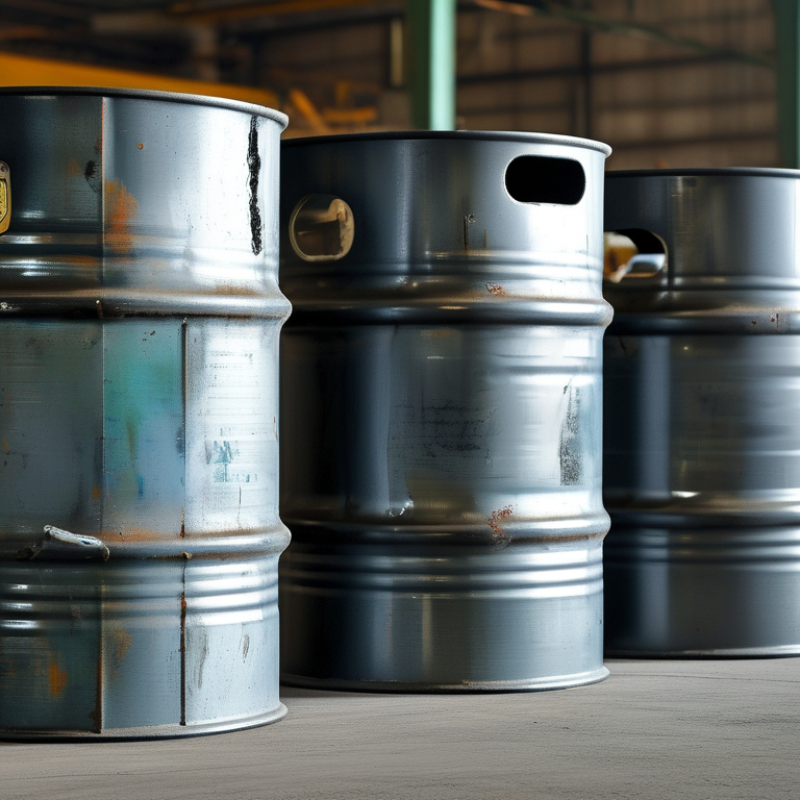
What is Resin Closed Head Steel Drum and its Benefits?

What is a Resin Closed Head Steel Drum?

A resin closed head steel drum is a type of packaging container designed to store and transport various liquids and chemicals. These drums are tightly sealed and feature a smooth, perfect finish inside and out. They are typically constructed from high-quality steel, providing durability and resistance against external forces. According to the American Iron and Steel Institute, steel drums hold up well in extreme conditions, making them ideal for long-term storage.

One significant benefit of resin closed head steel drums is their excellent chemical resistance. A study by the Environmental Protection Agency highlights that these drums can safely carry a wide array of substances without risk of contamination. The closed head design minimizes spills, an essential feature for hazardous materials. Such properties ensure safety during handling and protect the integrity of stored products.

Tips: Ensure proper cleaning of drums before reuse. This practice helps prevent cross-contamination. Pay attention to storage temperatures; extreme heat can compromise the drum's integrity. Regularly inspect for rust or physical damage to guarantee safety and reliability. Keeping documentation of contents will aid in compliance with safety regulations.

What is a Resin Closed Head Steel Drum and its Benefits?

Property Description
Material Steel with resin coating
Design Closed head, non-removable top
Capacity Typically ranges from 5 to 55 gallons
Uses Storage and transportation of industrial liquids
Benefits Corrosion resistant, durable, and safe for hazardous materials
Compliance Meets regulations for hazardous material storage
Reusability Can be reused for various applications after proper cleaning

Key Characteristics of Resin Closed Head Steel Drums

Resin closed head steel drums are designed for industrial use. These drums feature a robust steel body coated with a resin material. This coating adds a layer of protection against corrosion and enhances durability. Their design minimizes leakage risks, making them ideal for storing hazardous materials.

One remarkable characteristic of these drums is their chemical resistance. They withstand a wide range of substances, including acids and solvents. This versatility makes them highly sought after in various industries. The drums also have a closed head design, which means they do not have removable tops. This design helps maintain product integrity by preventing contamination.

While resin closed head steel drums have many benefits, there are challenges as well. For instance, improper storage can compromise their integrity. Additionally, cost can be a consideration when selecting these drums. It's important for users to analyze their specific needs carefully. A deeper understanding of both their advantages and limitations can lead to better decisions.

Applications of Resin Closed Head Steel Drums in Various Industries

Resin closed head steel drums are vital in several industries. Their robust design ensures safe containment of various materials. These drums are commonly used for storing chemicals, food products, and hazardous substances. In fact, the global industrial drum market is projected to reach $5.3 billion by 2025, highlighting the increasing reliance on durable containers.

In the chemical industry, resin closed head steel drums offer strong resistance to corrosion and impact. This feature is crucial when handling reactive substances. A report from the American Chemistry Council shows that the chemical sector generated over $1 trillion in shipments in 2022. Proper storage with reliable containers like resin closed head drums is paramount to prevent costly leaks and accidents.

Food processing also benefits from these drums. Their ability to maintain product integrity is essential. According to the Food and Drug Administration regulations, materials in contact with food must meet strict safety standards. While resin may provide several advantages, challenges remain. For example, the recycling process for these containers can be complex. With growing emphasis on sustainability, improvements are necessary for future applications.

Comparative Analysis: Resin Closed Head vs. Traditional Steel Drums

Resin closed head steel drums have become popular in many industries. They are designed to hold hazardous and non-hazardous materials securely. These drums offer excellent protection against moisture and corrosion. The interior resin lining acts as a barrier. This feature enhances the longevity of the drum.

In a comparative analysis, traditional steel drums often fall short in terms of chemical resistance. While traditional drums are durable, they can rust over time. In contrast, resin closed head drums have a longer lifespan. Their resistance to acids and bases is a significant advantage. This makes them a preferred option for industries dealing with chemicals.

Cost can be a concern for businesses. Resin drums might have a higher initial investment compared to traditional options. However, their reduced maintenance and replacement costs offer long-term savings. Some users report a learning curve when switching to resin options. Proper handling and storage are crucial to maximize benefits. Understanding these nuances is vital for effective use.

Benefits of Resin Closed Head Steel Drum vs. Traditional Steel Drums

Benefits of Using Resin Closed Head Steel Drums for Material Safety and Storage

Resin closed head steel drums offer significant advantages for material safety and storage. Their design allows for secure containment, making them suitable for various substances, including hazardous materials. The resin lining provides an extra layer of protection against corrosion and chemical reactions. This feature is vital for ensuring that stored contents remain uncontaminated.

When considering safety, one benefit is their ability to withstand extreme temperatures. This can prevent accidents such as leaks or explosions. Moreover, they are typically lighter than traditional steel drums, making them easier to handle and transport. However, always check compatibility with the specific materials being stored. Not all resins are suitable for every chemical.

Tips: Ensure that your closed head steel drum is labeled correctly. Clear labeling can prevent dangerous mix-ups. Regular inspections of the drums are crucial. Look for signs of wear or damage. Even small abrasions can lead to bigger problems over time.

Open chat
Scan the code
Bendet Sales Assistant
Hi There👋,
Thank you for visiting our website, How can I help you?