What is Stone Material and How to Choose the Right Type?
Understanding "Stone Material" is crucial for many industries. According to Dr. Emily Carter, a renowned expert in stone engineering, "Choosing the right stone material can define the success of your project." Her insight highlights the importance of selecting the appropriate type for specific applications.
Stone materials vary widely in composition, aesthetics, and durability. Some stones are ideal for construction, while others suit artistic endeavors. Granite, marble, and limestone each have distinctive qualities. Knowing these differences can help in making informed choices.
However, selecting the right stone material is not always straightforward. Factors like environment, cost, and availability can complicate decisions. Aesthetic appeal can also lead to regrettable choices. Thus, understanding your needs and limitations is vital in the decision-making process. Engaging with professionals can provide guidance, ensuring a successful outcome.
What is Stone Material? An Overview of Natural and Engineered Stones
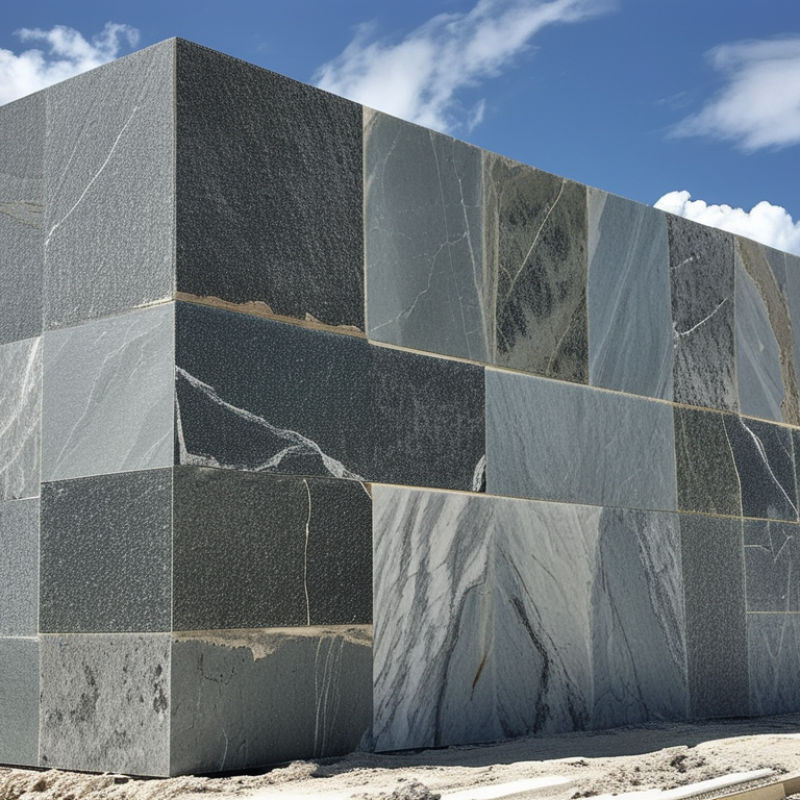
Stone material plays a crucial role in construction and design. It encompasses both natural stones and engineered stones, each with unique characteristics. Natural stones like granite and marble are prized for their durability and aesthetic appeal. Engineered stones, such as quartz, boast consistent quality and customizable options.
According to the Global Marble Industry Report, the natural stone market will reach over $50 billion by 2025. This highlights the increasing popularity of stone materials in various applications. When choosing stone, consider the location and purpose. For instance, granite is ideal for countertops due to its resistance to heat and scratches. Marble, while beautiful, is softer and may not suit high-traffic areas.
**Tips:** Always request samples before making a decision. This helps you visualize how the stone will look in your space. Understand maintenance requirements; natural stones often need sealing, while engineered stones are generally low-maintenance. Select materials that align with your project’s style and durability needs, considering both functionality and aesthetics.
What is Stone Material and How to Choose the Right Type?
| Type of Stone | Material Category | Common Uses | Durability (Years) | Maintenance Level |
| Granite | Natural Stone | Countertops, Flooring | 50+ | Low |
| Marble | Natural Stone | Sculptures, Floors | 20-50 | Medium |
| Quartz | Engineered Stone | Countertops | 25-50 | Low |
| Limestone | Natural Stone | Building Material, Paving | 10-25 | High |
| Soapstone | Natural Stone | Countertops, Sinks | 50+ | Medium |
Key Properties of Different Stone Types: Strength, Durability, and Aesthetics
When selecting stone materials, understanding their key properties is vital. Each type of stone exhibits unique strengths, durability, and aesthetics that can significantly impact a project. For example, granite is known for its exceptional strength. According to industry reports, granite can withstand compressive forces of over 150 MPa. This makes it suitable for countertops and flooring in high-traffic areas.
Durability plays a crucial role in choosing the right stone. Limestone, while beautiful, has lower durability compared to granite. It can erode more quickly when exposed to acidic substances. Understanding this can save future maintenance costs. Some stones, like slate, provide a unique aesthetic appeal but may require more care. Homeowners must weigh beauty against practicality.
Aesthetics is subjective, yet certain stones evoke timeless elegance. Marble brings sophistication but is easily scratched. Survey data shows that 40% of homeowners regret stone choices based solely on appearance. This highlights the importance of balancing aesthetics with functional needs. Choosing the right stone material requires thoughtful consideration of these properties.
Industrial Applications of Stone Materials: Construction, Landscaping, and More
When it comes to industrial applications, stone materials serve a vital role in construction and landscaping. According to a recent report by the Global Stone Industry Association, the stone market is projected to reach $45 billion by 2026. The demand for granite and marble continues to surge due to their durability and aesthetic appeal. Each type of stone has its unique properties, making specific applications more suitable. For example, granite is favored for countertops due to its resistance to scratching and heat.
In landscaping, stones like slate and limestone are popular choices for patios and pathways. These materials not only enhance the visual appeal but also provide robust performance. The National Association of Landscape Professionals highlights that the hardscape segment, comprising stone features, accounts for nearly 30% of total landscaping budgets. However, the selection and installation process often reveals challenges. Sourcing sustainable stone can be complex, with variations in quality affecting overall project outcomes.
It is crucial to consider factors such as local availability and maintenance requirements when choosing stone materials. Some stones may require sealing or special care to maintain their beauty. Understanding these nuances can make a significant difference in both function and form. Engaging with local stone suppliers can provide valuable insights to ensure the right choices are made for specific projects.
Factors to Consider When Choosing Stone: Cost, Finish, and Sustainability
Choosing the right stone material involves several critical factors. Cost is often a primary concern. On average, natural stone can cost between $30 and $100 per square foot. However, some types of stone may drastically exceed that range. This variation is influenced by availability and extraction costs.
The finish of the stone also plays a significant role. Different finishes not only alter the appearance but also impact durability and maintenance. For instance, polished finishes enhance aesthetic appeal but may make the surface more prone to scratches. In contrast, honed finishes offer a softer look and superior slip resistance. Consider your environment and traffic levels when selecting a finish.
Sustainability is an increasingly vital consideration. According to a recent industry report, sustainable stone quarrying practices are gaining traction. This approach minimizes environmental impact and promotes resource conservation. Choosing reclaimed or local stones reduces transportation emissions and supports local economies.
Tip: Always request samples before making a final decision. This helps visualize how the stone complements your space.
Tip: Evaluate the long-term costs of maintenance and performance. A cheaper stone might lead to higher expenses over time.
Consider these factors carefully. Each choice reflects not just your style but also your values and commitment to the environment.
Comparative Analysis of Popular Stone Types: Granite, Marble, Quartz, and Limestone
When selecting the perfect stone material for your project, understanding the characteristics of popular options is crucial. Granite, valued for its durability and scratch resistance, is ideal for high-traffic areas. Studies indicate that granite can withstand significant heat and impact, making it a favorite for kitchen countertops. However, it can be challenging to install due to its weight.
Marble offers a sophisticated aesthetic. It's softer than granite, making it easier to carve but more prone to scratches and stains. According to industry reports, marble requires regular sealing to maintain its appearance. For those seeking a balance between elegance and resilience, quartz is a manufactured stone that provides consistent color and pattern. It’s non-porous, so it resists staining better than both granite and marble.
Limestone, while softer and more porous than the others, is often chosen for its rustic charm. It can be more susceptible to wear and tear. However, it lends a unique character to spaces but necessitates more care.
Tips: Always consider your lifestyle before choosing stone. High maintenance? Opt for quartz. Want timeless beauty? Marble may be your best choice. Remember to consult with professionals for proper installation to avoid costly mistakes.
Comparison of Popular Stone Types