




The use of talcum powder in daily hygiene is a topic of intense debate. Many people rely on talcum powder for its absorbent properties. It keeps skin dry and reduces friction. However, safety concerns have emerged over the years. Reports suggest a potential link between talcum powder and serious health issues. Some studies raise alarms about its connection to ovarian cancer.
With such potential risks, users face a tough decision. The allure of softness and dryness competes against possible health hazards. For some, switching to alternative products feels daunting. Yet, for others, it's a necessary step for peace of mind. It’s essential to weigh the risks carefully before using talcum powder daily. After all, personal health should always come first.
Many claim talcum powder is a trusted staple. But do we fully understand the implications of its use? It's time for reflection. Understanding what ingredients we apply is fundamental. Exploring both sides of the argument can guide smarter choices for our well-being.
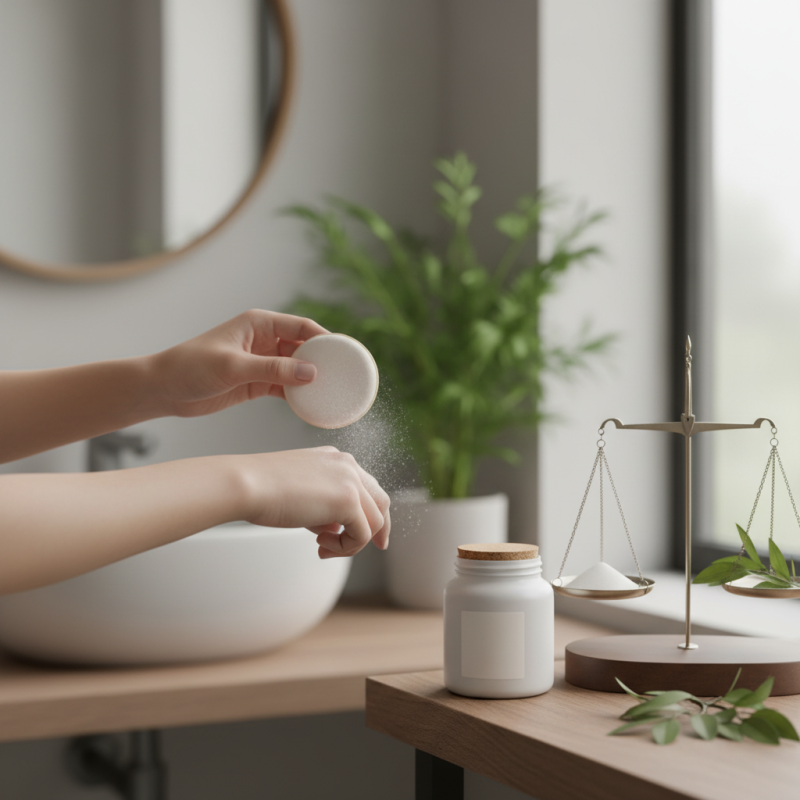
Talcum powder, often used for personal hygiene, raises important safety questions. Reports indicate that talc may contain asbestos, a known carcinogen. This concern is significant, especially for daily use. A study by the American Cancer Society found no conclusive evidence linking talcum powder to cancer, but the debate continues.
According to the World Health Organization, prolonged exposure to talc may lead to respiratory issues. Dust from talc can irritate the lungs. Many individuals use it without considering the risks. Despite conflicting studies, some health professionals advise caution.
Users often assume talc is harmless. Yet, the Fine Chemicals Journal reported that impurities in talc can pose risks. These findings leave room for reflection. Individuals should weigh the benefits against potential dangers. Awareness is key when using this common product.
Talcum powder has been widely used for personal hygiene. Many people appreciate its moisture-absorbing qualities. However, concerns about its safety have risen over the years. Studies suggest potential health risks linked to talcum powder usage.
Exposure to talcum powder may pose risks, particularly for women. Inhaling powder can irritate the lungs and cause respiratory issues. Some research also indicates a possible connection between talcum powder and certain cancers. This raises serious questions about its long-term safety. Users must reflect on these concerns carefully.
People often overlook alternative products for hygiene. Natural options, like cornstarch, offer safer benefits. Switching from talcum powder can feel like a challenge. However, prioritizing health should be the key focus. Understanding the risks allows individuals to make informed choices.
| Risk Factor | Description | Evidence Level | Preventive Measures |
|---|---|---|---|
| Ovarian Cancer | Some studies suggest a link between talcum powder usage in the genital area and an increased risk of ovarian cancer. | Moderate | Consider using cornstarch-based alternatives. |
| Respiratory Issues | Inhalation of talc powder can lead to respiratory problems and lung irritation. | High | Avoid using powder in enclosed spaces; consider liquid alternatives. |
| Skin Irritation | Some users may experience allergic reactions or irritation from talc. | Low | Conduct a patch test before widespread use; discontinue if irritation occurs. |
| Talc Contaminants | Talc can be contaminated with asbestos, a known carcinogen. | High | Seek talc products that are certified asbestos-free. |
When considering alternatives to talcum powder, it’s essential to explore natural options. Cornstarch is a popular substitute. It absorbs moisture effectively and is gentle on the skin. Many people find that it keeps them feeling fresh throughout the day.
Another option is baking soda. It can help neutralize odors and offers a refreshing feeling. However, some may find it slightly abrasive. Pay attention to how your skin reacts. Some individuals may need to adjust the amount they use.
Tips: Choose products with natural ingredients. Avoid those with added fragrances if you have sensitive skin. Always perform a patch test first, especially if you are trying a new ingredient. Keep hygiene practices flexible. What works for one person may not work for another. Experiment and find what feels best for you.
Regulatory stances on talcum powder vary significantly across countries. In the United States, the FDA states that talc is safe in cosmetics. However, the agency admits that concerns linger regarding contamination with asbestos, a known carcinogen. A report by the American Cancer Society notes that talcum powder has been linked to ovarian cancer. In contrast, the European Union has stricter regulations. The EU has prohibited the use of talcum powder in cosmetics due to potential health risks.
Countries like Canada have adopted a cautious approach. Health Canada evaluates safety data continually. They have implemented guidelines that suggest limiting its use, particularly in children. A study published in the Journal of Epidemiology found that regular talcum powder use increased the risk of respiratory issues in infants.
**Tips:** If you decide to use talcum powder, consider alternatives like cornstarch-based powders. Ensure to read labels carefully, looking for asbestos-free certifications. Limiting use, especially for children, can mitigate risks. Always stay informed about ongoing research and regulatory changes concerning talcum powder.
When discussing talcum powder for daily hygiene, user experiences and scientific studies reveal mixed sentiments. Many users appreciate its moisture-absorbing qualities. They report feeling fresher and more comfortable. However, some have expressed concerns. They worry about potential health risks associated with long-term usage.
Scientific research has produced various conclusions regarding talcum powder safety. Some studies have linked it to health issues, while others find little evidence supporting these claims. This inconsistency can lead to confusion. Individuals must weigh both personal experiences and research findings to make informed choices.
Tips:
Choose cornstarch-based alternatives if you're concerned. They provide similar moisture control without the potential risks. Always check the ingredients in personal care products. Make sure they align with your comfort zone. Remember, every body is different; listen to yours.
Hein Minnie
Cell nr: +27 (0) 82 564 6501
Email: sale@thecirclemachine.com
Hein Minnie Jnr
Cell nr: +27 (0) 84 284 7234
Email: sale@thecirclemachine.com
Address:
10 Apsey Street,
Heidelberg,
Gauteng,
1441
Bendet Engineering Services (PTY) LTD was established in 1987. Our team of engineers and draughtsman are ready to deliver a complete turnkey solution, from the design phase to commissioning. A dedicated team that consists of electrical, mechanical and industrial engineers, we are able to offer a comprehensive service to our clients.