What Are the Top Types of Butterfly Valves?
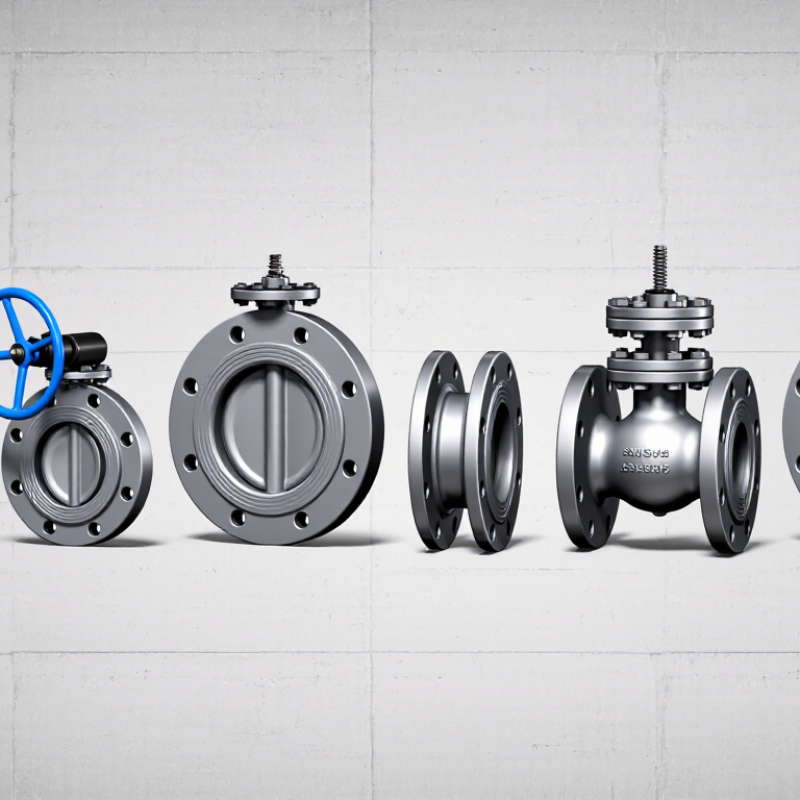
Butterfly Valve selection starts with the service, not the catalogue photograph. A wafer valve may suit a compact line, while a lug-style body allows easier removal from some piping arrangements. High-performance and triple-offset designs address tighter shutoff or demanding temperatures. The differences matter at the flange, stem, and seat. A small mismatch can mean leakage, excess torque, or avoidable maintenance.
Fortune Business Insights estimated the global industrial valves market at about US$78.1 billion in 2023, with growth projected through 2032. That figure covers many valve types, not butterfly valves alone. Still, it reflects the scale of industries where flow-control choices affect water systems, processing plants, and energy facilities. Market growth is not proof that one design fits every duty.
Valve Selection Handbook co-author Peter Smith offers a useful selection principle, paraphrased here: match the valve design to the operating conditions and required performance. That sounds obvious. It is easy to overlook. This guide compares concentric, double-offset, triple-offset, wafer, lug, and flanged butterfly valves. It will examine pressure, temperature, media, installation space, and maintenance access. Actual suitability depends on the full specification, including materials and operating cycles. No single “top” type wins every time; that is the part worth questioning before purchase.
How Butterfly Valves Control and Shut Off Flow
A butterfly valve controls flow with a disc mounted across the pipe. A quarter-turn moves the disc from parallel to the flow to nearly perpendicular, closing the passage. At partial openings, the disc restricts flow; it does not simply reduce pipe diameter. The changing flow path can create turbulence and pressure loss. That matters.
Valve selection depends on the required shutoff tightness, pressure, temperature, and fluid. Resilient-seated valves suit many general services. Double-offset designs handle tougher duties, while triple-offset metal-seated valves can support demanding shutoff conditions.
The U.S. Department of Energy’s 2006 Improving Pumping System Performance sourcebook reports that system improvements can yield pumping-energy savings of 20–50% in suitable applications. That figure is not a valve-only saving: excessive throttling can waste energy, so compare valve control with pump-speed control.
A practical caveat: a butterfly disc remains in the flow path when open, and the right seat or disc material still needs careful review.
What Are the Main Types of Butterfly Valves?
What Are the Main Types of Butterfly Valves?
Butterfly valves are mainly classified by disc and seat design: concentric, double-offset, and triple-offset. In a concentric valve, the stem passes through the disc’s center, and a resilient seat seals around it. This straightforward design is common in water lines and general low-pressure service.
AWWA C504-23 specifies rubber-seated butterfly valves in nominal sizes from 3 to 72 inches for waterworks applications. Size alone, though, does not determine suitability; pressure, fluid, and operating frequency matter too.
Double-offset valves shift the stem away from the disc center and seat plane. That geometry reduces rubbing as the disc opens, making these valves useful where pressure or wear demands more than a basic resilient seat. Triple-offset valves add a third angle, allowing a metal seat to seal with little sliding contact. They are often selected for higher-temperature service or tighter shutoff requirements. The extra complexity is not automatically an advantage.
API 609 provides an industry framework for butterfly valve categories and construction. It is useful when comparing designs, but connection styles such as wafer, lug, and flanged describe installation, not a separate disc-and-seat type. The distinction can be easy to miss in catalogs. A practical selection should match valve design to the line’s pressure, temperature, and maintenance needs, then confirm details against the applicable standard and manufacturer’s technical data.
How Wafer, Lug, and Flanged Valves Differ
Butterfly valves are often chosen by end connection, not just by disc size. A wafer valve sits between two pipe flanges, with long bolts passing through the assembly. Its slim body saves space and weight. During installation, the flanges must align evenly; a slight mismatch can make sealing difficult. Wafer designs are commonly used where the valve stays between connected pipe sections. They are not automatically suitable for dead-end service, so check the valve’s pressure rating and approved installation conditions.
A lug valve has threaded inserts around its body. Bolts connect each pipe flange to the corresponding side, which can allow one pipe section to be removed while the other remains in place. That can simplify maintenance, though dead-end use still depends on the specific design and rating. A flanged valve has complete flanges cast or attached at both ends, bolted directly to matching pipe flanges. It is bulkier, but can be easier to handle in larger or frequently serviced systems. That distinction matters. In a cramped pump room, a wafer body may fit where a flanged unit will not; in a line needing one-sided access, lug construction may be more practical. The best choice is not always obvious. Check face-to-face dimensions, bolt patterns, pressure limits, and the manufacturer’s installation guidance before specifying one.
What Are the Top Types of Butterfly Valves? — How Wafer, Lug, and Flanged Valves Differ
| Comparison | Wafer Butterfly Valve | Lug Butterfly Valve | Flanged Butterfly Valve |
| Body connection | Fits between two pipe flanges. The surrounding flange bolts clamp the valve in place. | Has threaded lugs around the body. Bolts pass through the pipe flange and thread into the lugs. | Has integral flanges that bolt directly to the matching pipe flanges. |
| Typical installation | Compact installation between flanges in a pipeline. | Installed between flanges, with each side bolted to the valve’s lugs. | Installed between mating pipe flanges using the valve’s own flanged ends. |
| End-of-line service | Generally not selected for end-of-line service because it relies on clamping between two flanges. Check the valve’s design documentation. | Can allow one downstream pipe section to be removed while the valve remains attached to the upstream flange, but only when rated for the resulting dead-end pressure and service conditions. | May be suitable for end-of-line service if specifically designed and rated for it. Confirm the manufacturer’s pressure and installation limits. |
| Space and weight | Usually the most compact and lightest of these three connection styles. | Typically compact, though the lugs add material compared with a wafer body. | Typically larger and heavier because the body includes flanged ends. |
| Removal and maintenance | Removing the valve generally requires loosening the flange bolting and supporting or separating the connected pipework. | Individual flange connections can be unbolted separately; piping and valve support requirements still apply. | Removal requires separating the bolted pipe-flange connections, which can require more working space. |
| Common considerations | Useful when low weight, compact dimensions, and economical installation are priorities. | Useful when a bolted body connection or potential one-side disconnection is needed, subject to the valve’s rating. | Useful when a flanged connection is preferred for the piping layout or installation requirements. |
| Selection checks | Confirm the required size, pressure and temperature ratings, body and disc materials, seat compatibility, flange drilling, flow conditions, actuator requirements, and any dead-end-service rating. Connection styles are not automatically interchangeable. |
These are general differences between connection styles. Actual dimensions, pressure limits, installation clearances, and service suitability depend on the specific valve design and applicable piping standards.
How High-Performance and Triple-Offset Valves Work
High-performance and triple-offset butterfly valves both control flow with a quarter-turn disc, but their sealing designs behave differently. A common high-performance valve uses a double-offset shaft. As the disc turns open, its offset geometry reduces contact with the seat, limiting wear and operating torque. The seat is often resilient, though materials vary with temperature and fluid conditions. That matters.
A triple-offset valve adds a third geometric offset at the sealing surfaces. This creates a cam-like closing action: the disc moves into the seat near the end of travel, then separates as it opens. In many designs, the seal is metal-to-metal, making the valve suitable for demanding temperature or pressure conditions when correctly specified. On a hot process line, that low-friction motion can help reduce seat damage over repeated cycles. Still, “triple-offset” does not guarantee a perfect seal in every service. Check the required leakage rate, materials, pressure range, and actuator torque. Installation alignment matters, too. A small mismatch can affect performance, and the label alone cannot settle the choice.
How to Choose a Butterfly Valve for an Application
Choosing a butterfly valve starts with the fluid, pressure, temperature, and control duty. Start with the service. A resilient-seated concentric valve often suits clean, low-pressure water lines. For hotter fluids or higher pressure, a double-offset design can reduce disc-seat contact during opening. A triple-offset, metal-seated valve may suit demanding temperature or shutoff needs, but its cost and installation requirements can be harder to justify. Check solids, corrosion, and whether the line must remain operational during maintenance. A lug-style body can allow dead-end service only when its pressure rating permits it; verify the manufacturer’s limits and the applicable valve standard, such as API 609.
Size for the actual operating point, not just the pipe diameter. Crane Technical Paper No. 410, Flow of Fluids, gives the liquid relation Q = Cv × √(ΔP/SG), where Q is flow in US gallons per minute, ΔP is pressure drop in psi, and SG is specific gravity. For water at 100 gpm and a 4 psi valve drop, the preliminary required Cv is 50. Then compare that value with the valve’s flow curve at the intended disc position. A valve that is oversized may respond poorly near closed. I would recheck this assumption. Gas service needs compressible-flow sizing, not this liquid equation. Check actuator torque, line pressure, and shutoff requirements before final selection.
Top Types of Butterfly Valves: Offset Design
The bars show the number of design offsets, not a performance rating. Concentric valves have no offsets; double-offset designs use two offsets to reduce seat contact during rotation; triple-offset designs add a third offset and commonly use a metal seat. Choose a valve based on operating pressure and temperature, fluid, shutoff needs, and applicable standards.