What is Thermal Magnetic MCCB and How Does it Work?
In the realm of electrical engineering, the concept of Thermal Magnetic MCCB holds significant importance. This device combines thermal and magnetic protection to safeguard circuits against overloads and short circuits. Industry expert Dr. Robert Lee, a leading figure in electrical safety solutions, emphasizes, “Understanding Thermal Magnetic MCCB is crucial for effective circuit protection.”
The Thermal Magnetic MCCB functions by using heat to detect overloads and magnetism for short-circuit protection. When current exceeds a preset limit, it triggers a response to safeguard your electrical system. This dual protection method enhances the reliability of electrical equipment.
However, it is important to recognize that not all Thermal Magnetic MCCBs are created equal. Some may have limitations in specific applications. Additionally, users must select the appropriate ratings for their requirements. This selection process requires careful consideration and expertise. The complexities of Thermal Magnetic MCCBs invite reflection on the importance of reliability in electrical safety.
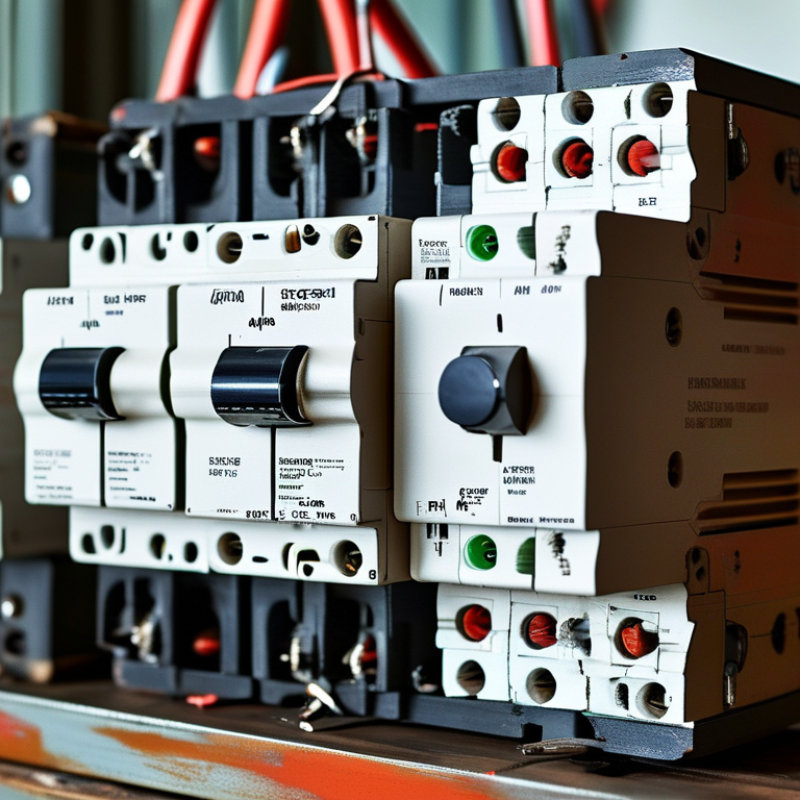
What is a Thermal Magnetic MCCB?
A Thermal Magnetic MCCB, or Molded Case Circuit Breaker, is crucial in electrical distribution systems. It combines thermal and magnetic protection features. The thermal component responds to overload conditions by heating a bi-metallic strip. When the temperature rises sufficiently, the strip bends and trips the circuit, preventing damage. This mechanism effectively protects against prolonged overloads.
The magnetic part of the MCCB handles short circuits. It uses an electromagnetic mechanism that detects rapid current increases. When a short occurs, the magnetic field activates the tripping mechanism almost instantly. This allows for quick disconnection from the power source, reducing risks of fire or equipment failure. The design of Thermal Magnetic MCCBs offers reliable protection for various applications, from industrial environments to residential settings.
Not all Thermal Magnetic MCCBs function perfectly in all situations. Some devices may trip too early or not at all under certain conditions. Calibration is vital. Regular testing and maintenance improve their reliability. Users must be aware of their specific needs and the limitations of these devices.
Key Components of Thermal Magnetic MCCB
Thermal Magnetic MCCBs combine thermal and magnetic protection. They are essential in various electrical systems. Understanding the key components is vital for effective operation.
The thermal unit in an MCCB responds to prolonged overloads. It uses a bimetallic strip that bends when heated. When triggered, this strip opens the circuit. Reports suggest that nearly 30% of electrical failures are due to overloads. Effective thermal protection can significantly reduce downtime.
The magnetic component reacts quickly to short circuits. It employs an electromagnetic mechanism. Upon detecting a surge, it activates almost instantaneously. Recent studies highlight that magnetic tripping protects systems from severe faults, reducing damage potential. Given that electrical fires cause billions in losses annually, reliable protection is paramount. These components work together to ensure safety and reliability in electrical installations.
What is Thermal Magnetic MCCB and How Does it Work? - Key Components of Thermal Magnetic MCCB
| Component | Function | Material | Common Ratings |
| Thermal Trip Unit | Overload protection by sensing heat generated by excessive current. | Bimetallic strip | 0.5A to 630A |
| Magnetic Trip Unit | Short-circuit protection by instantaneous tripping of the circuit breaker. | Electromagnetic coil | 5A to 800A |
| Circuit Breaker Enclosure | Encloses and protects internal components from environmental factors. | Plastic/Metal | Varies based on model |
| Operating Mechanism | Allows manual operation and resetting of the breaker. | Mechanical Components | N/A |
| Contact Terminals | Provide electrical connections to the circuit. | Copper/Aluminum | Varies based on rating |
How Thermal Magnetic MCCBs Operate
Thermal magnetic MCCBs are essential in electrical applications. They provide protection against overloads and short circuits. Understanding their operation helps in ensuring safe and efficient electrical systems. These devices combine both thermal and magnetic trip mechanisms to respond to electrical faults.
The thermal component operates on the principle of heat. When excess current flows, heat builds up in a bimetal strip. This strip bends, eventually triggering the trip mechanism. As the temperature rises, the response time of the thermal element increases. It's crucial to select the right ratings for specific applications to avoid nuisance tripping.
The magnetic trip works differently. It employs an electromagnetic mechanism that senses sudden surges. When a short circuit occurs, a strong magnetic field is generated. This field activates the trip, disconnecting the circuit almost instantaneously. Calibration is important here to ensure proper operation. Users must regularly maintain and test MCCBs for reliability. Understanding these aspects can improve safety and performance, but many users overlook regular checks. Ignoring these details could lead to failures and risks.
Thermal Magnetic MCCB Functionality Overview
Applications of Thermal Magnetic MCCBs
Thermal magnetic MCCBs, or Molded Case Circuit Breakers, play a vital role in electrical systems. Their applications span numerous fields, emphasizing the need for reliable protection against overloads and short circuits. In residential settings, they ensure household appliances operate safely, preventing potential fire hazards due to electrical faults. As these homes increasingly adopt smart technologies, the role of MCCBs becomes even more crucial.
In commercial environments, thermal magnetic MCCBs safeguard expensive equipment and ensure operations run smoothly. Factories use them to protect motors, generators, and transformers. These devices respond quickly to fault conditions, providing real-time protection. However, the effectiveness of MCCBs can sometimes depend on installation quality and system compatibility. Improper configurations might lead to unexpected failures or equipment damage.
In terms of design, these breakers combine thermal and magnetic mechanisms for comprehensive coverage. The thermal element reacts to prolonged overload, while the magnetic aspect provides fast response to short circuits. Yet, if not regularly maintained, these systems can experience wear over time. Such challenges highlight the importance of routine inspections and upgrades to maintain optimal performance. When planning an electrical system, careful attention to MCCB selection and maintenance is crucial for long-term reliability.
Advantages and Limitations of Thermal Magnetic MCCBs
Thermal magnetic MCCBs offer distinct advantages and limitations. They combine both thermal and magnetic protection. This design helps to safeguard electrical circuits against overloads and short circuits. According to industry reports, MCCBs are crucial for facilities, especially in high-load environments. They can handle substantial currents and offer fast tripping responses, which minimizes potential damage.
However, thermal magnetic MCCBs are not without their limitations. They may be less sensitive to small overloads. This can lead to nuisance tripping. Additionally, their performance can be affected by ambient temperature fluctuations. Some reports estimate that these devices can misoperate in extreme heat or cold. It’s important to consider the operating environment when selecting a protective device.
Tip: Regular maintenance checks can enhance the reliability of thermal magnetic MCCBs. Inspect connections and thermal switches periodically to ensure optimal functioning. Take notes on any performance changes over time; these could indicate potential issues. Don't overlook any anomalies in tripping behavior, as they can signal deeper problems.