Top Tips for Choosing the Best Meat Cutting Machine?
Choosing the right Meat Cutting Machine can be a daunting task. With so many options available, it's easy to feel overwhelmed. The quality of the machine plays a crucial role in achieving consistent cuts and maintaining safety in your kitchen. A reliable Meat Cutting Machine not only improves efficiency but also minimizes waste.
When selecting a machine, consider the size and capacity that best fits your needs. Think about the types of meat you will be cutting. Different machines have varied features and blades tailored for specific tasks. It's essential to do thorough research and read reviews from other users. Not every model works for everyone, and your requirements may differ from others.
Investing time in understanding your options is vital. A well-chosen Meat Cutting Machine can enhance your culinary experience. Reflect on the features that matter most and make an informed decision. Skipping this step could lead to disappointments or regrets later on. Remember, the perfect machine is one that aligns with your cooking style and needs.
Understanding Different Types of Meat Cutting Machines Available
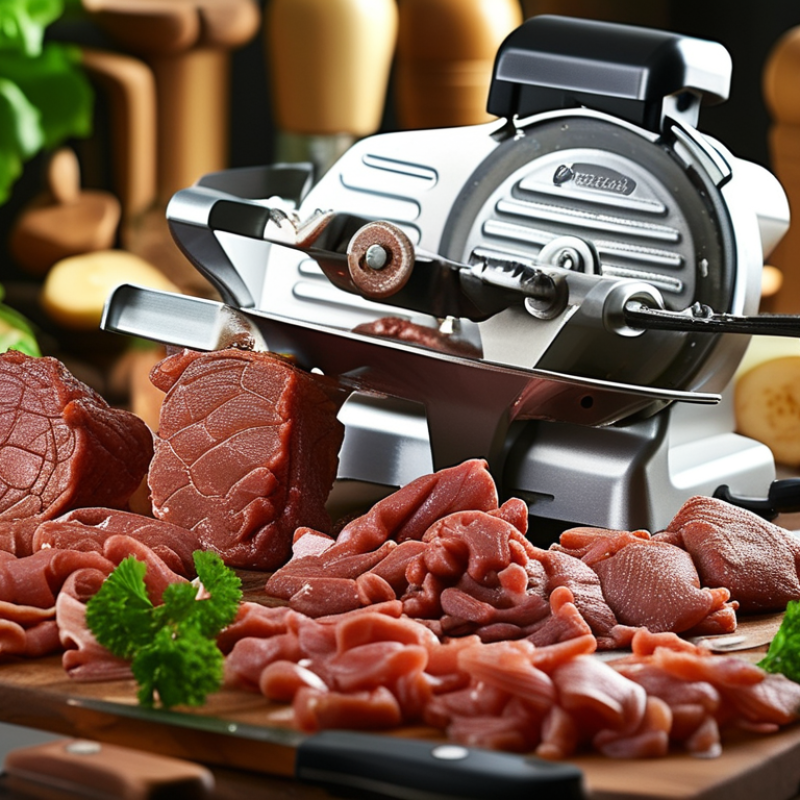
When selecting a meat cutting machine, it's vital to understand the various types available. Each machine serves a specific purpose based on the meat type and cutting requirement. There are band saws, for instance, which are excellent for slicing through large cuts of meat with precision. Their blades are sharp and ideal for tough tasks. However, they can be intimidating for a novice user.
Then there are deli slicers, perfect for uniform slices of deli meats and cheeses. They offer ease of use and control, making them suitable for home kitchens. Yet, some users may find that the smaller size limits their versatility. Additionally, commercial slicers cater to heavy-duty needs and high-volume production. While these models can handle large quantities, their bulkiness may pose storage challenges.
Ultimately, understanding the strengths and weaknesses of each machine type helps in making an informed choice. It's essential to consider your specific needs. Whether you're a home cook or a professional, the right meat cutter can enhance both efficiency and quality in your kitchen. But remember that every option has its drawbacks, and careful thought can lead to the best fit for your requirements.
Key Features to Look for in a Meat Cutting Machine
When selecting a meat cutting machine, it is vital to consider key features that enhance both performance and safety. One critical aspect is blade quality. High-grade stainless steel blades offer durability and precision. A survey by the Food Equipment and Supplies Association indicates that over 70% of operators prefer machines with self-sharpening capabilities. This feature significantly reduces maintenance and ensures consistent cuts.
Another important feature is the machine's capacity and size. A commercial meat cutter should handle large volumes efficiently. Data shows that models with a larger feed opening reduce prep time by 30%. However, choosing a machine that fits your workspace is essential. Compact models may perform just as well in smaller environments, yet they often compromise on power.
User-friendly controls can greatly impact productivity. Machines equipped with intuitive digital interfaces streamline operations. Operators report that models with programmable settings decrease errors in portion control. According to industry reports, up to 25% of businesses face issues with inconsistent cuts, which affects overall quality. Investing in a reliable meat cutting machine ensures not only efficiency but also enhances customer satisfaction.
Evaluating Your Meat Processing Needs and Volume
When evaluating your meat processing needs, it’s essential to consider the volume of meat you will handle. According to industry reports, small-scale butchers typically process around 200 to 300 pounds of meat per week. Meanwhile, larger operations can exceed 1,000 pounds weekly. Understanding your specific needs will help you select the right machine.
The type of meat you will cut also influences your decision. Different machines accommodate various meat types, from poultry to large cuts of beef. A recent study showed that 65% of processing failures arise from equipment mismatches. Assessing the characteristics of your meat will guide you toward features like blade type, horsepower, and capacity.
Don't overlook your workspace limitations. Efficient operation requires adequate space for both the machine and meat storage. A tight space can negatively impact workflow. This can slow down processing and reduce overall productivity. Balancing your space with your processing volume is crucial for success.
Assessing Safety Features and Ease of Use
When choosing a meat cutting machine, safety is paramount. Look for machines equipped with safety guards and emergency shut-offs. These features can prevent accidents during operation. A well-designed machine should also have non-slip feet. This reduces the risk of the machine sliding while you cut. Consider models that have protective shields. They can help minimize the chance of accidental contact with the blade.
Ease of use is another critical factor to assess. Aim for machines with user-friendly interfaces. Simple controls can make a significant difference in your experience. Weight and size matter too. A lighter machine is easier to maneuver but may be less stable. Take note of the blade's sharpness and design. Efficient blades reduce cutting time, yet they should be easy to change and clean.
Reflect on your own needs. If you plan to cut various types of meat, ensure the machine adapts well. Some machines excel at slicing, while others handle chopping better. Users often overlook the importance of maintenance. Think about how easy it is to clean and lubricate the machine. A reliable meat cutting machine balances safety with convenience. Your choices will affect both the quality of your work and your overall satisfaction.
Maintenance and Durability Considerations for Long-term Use
When choosing a meat cutting machine, it's vital to consider maintenance and durability for long-term use. Regular care extends the life of machinery. Ensure you follow the manufacturer’s instructions for cleaning and lubrication. This prevents rust and keeps the blades sharp.
To maintain your machine, check the alignment of the cutting blades regularly. Misalignment can result in uneven cuts and damage. Keep the work area clean. Debris can cause malfunctions. Invest in quality replacement parts when needed, as cheap alternatives may compromise durability.
When using the machine, follow these tips. Always operate at the recommended speed. High speeds can stress the machine prematurely. Consider the type of meat being cut; tougher cuts may require more maintenance. Inspect cords and plugs for wear. A small issue can lead to bigger problems later. Taking these steps ensures a reliable meat cutting experience.