






Top Tips for Choosing the Right Food Grade Paper Roll?

When selecting the right Food Grade Paper Roll, expertise is essential. According to industry expert John Smith, "The choice of paper can impact food safety." This insight highlights the importance of understanding the features that make a paper roll suitable for food contact.

Quality, thickness, and material are crucial factors to consider. Food Grade Paper Rolls must meet stringent safety standards. A poorly chosen roll may compromise food quality. Reflecting on these considerations, one must be wary of budget options. Cost savings should not compromise safety and compliance.

Evaluation of suppliers is also key. Not all Food Grade Paper Rolls are created equal. Look for reliable certifications. An experienced supplier can provide guidance. However, it's still necessary to do thorough research. Balancing cost, quality, and safety requires careful thought. This decision should be made with an informed perspective.
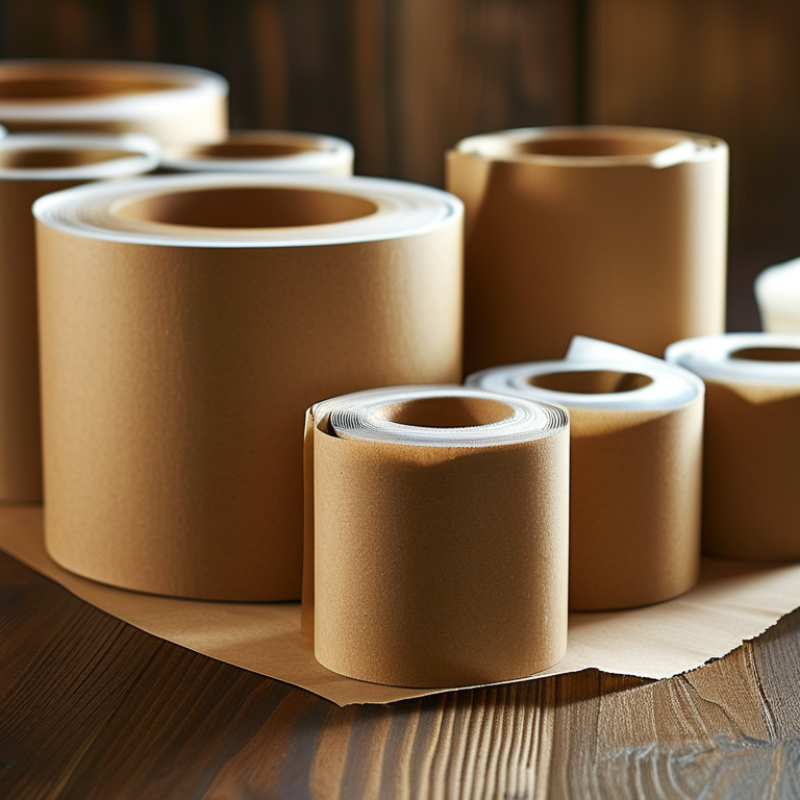
Top Tips for Choosing the Right Food Grade Paper Roll?

Understanding Food Grade Paper and Its Importance

Food grade paper is essential in many kitchens and food production settings. It ensures that food remains safe and uncontaminated. This type of paper is specifically designed for direct contact with food products. It meets strict safety regulations. This makes it vital for preserving food quality during storage and preparation.

Choosing the right food grade paper roll can affect food safety. Not all paper is created equal. Some papers may contain harmful chemicals or substances. Look for certifications that affirm its food-safe status. Each roll should have clear labeling that indicates its intended use. If in doubt, consulting local guidelines can provide additional support.

Consider the specific needs of your food application. For example, you might need greaseproof paper for oily foods. Or, you may choose parchment paper for baking. It’s essential to think about factors like moisture resistance and durability. Quality can vary, leading to potential issues in food safety. Finding reliable suppliers is crucial. They can guide you toward the best options for your needs, ensuring safe choices for your culinary environment.

Top Tips for Choosing the Right Food Grade Paper Roll

Types of Food Grade Paper Rolls Available in the Market

When it comes to food grade paper rolls, several types are available. Each type serves different purposes in food packaging and preparation. For instance, parchment paper is ideal for baking. It provides a non-stick surface that helps achieve even cooking results. Its high heat resistance makes it a favorite among bakers.

Another popular option is butcher paper. This type is often used for wrapping fresh meats and can allow for moisture to escape. It's durable and breathable, making it suitable for keeping food fresh. However, finding the right thickness can be crucial. A roll that's too thin may not offer enough protection.

Lastly, greaseproof paper is typically used in food service. It is excellent for wrapping fried foods or sandwiches. Its water and grease resistance prevents leaks and keeps items hygienic.

While each type has its advantages, the choice depends on the food item and the intended use. Do you know what works best for your needs? Assessing options requires careful thought about functionality and usability.

Key Factors to Consider When Choosing Food Grade Paper Roll

Choosing the right food grade paper roll is crucial for safe food handling. Look at the material. It must be durable yet safe for direct food contact. Options include greaseproof, waxed, and parchment paper. Each type serves a unique purpose, so think about what you need.

Consider the roll size. A proper size prevents waste and ensures efficiency. Smaller rolls fit in tighter spaces. Larger rolls are ideal for high-volume operations. Check the weight capacity too. Food grade paper must support your food items without tearing.

Don’t overlook the sourcing. Reliable suppliers ensure quality and safety. Ask about certifications that confirm the paper’s food grade status. Take time to evaluate your choices. It’s better to reflect than rush a decision, especially in food safety.

Evaluating Quality and Safety Standards for Food Grade Paper

When selecting food-grade paper rolls, evaluating quality and safety standards is crucial. You want materials that ensure the safety of the food. Look for paper certified by recognized organizations. These certifications indicate compliance with safety standards. It's essential to understand what these certifications mean. They demonstrate that the paper is free from harmful substances.

Consider the source of the paper. Sustainable sourcing often indicates higher quality. Papers made from recycled materials may not always meet the same safety standards. Pay attention to the manufacturing process. Poor production methods can introduce contaminants. Ensure the production facility follows strict hygiene and safety protocols.

Some practical tips include checking the texture and weight of the paper. Thicker paper often offers better durability. Also, request samples and perform a burn test. This can help identify the presence of unwanted chemicals. Understanding these aspects contributes to a safer choice. Quality should never be compromised, even if it appears more expensive. Prioritize safety for your customers and your brand.

Sourcing and Cost Considerations for Food Grade Paper Rolls

When sourcing food grade paper rolls, cost considerations play a crucial role. Recent industry data indicated that the global food packaging market could reach $400 billion by 2025. This growth highlights the increasing demand for safe and effective packaging materials. It is essential to balance quality with cost when selecting paper rolls for food service use.

Evaluating suppliers is vital. Look for manufacturers with certifications that ensure their products meet safety standards. Many businesses overlook this aspect, leading to potential compliance issues. Additionally, sourcing locally can reduce shipping costs and enhance sustainability. This emphasizes the importance of conscious purchasing choices.

Understanding the specifications of food grade paper rolls can also guide cost management. Different grades serve varying purposes. The thickness, barrier properties, and printability all impact pricing. Businesses often underappreciate the value of selecting the appropriate product for their specific needs. This oversight can lead to expensive waste and customer dissatisfaction.

Open chat
Scan the code
Bendet Sales Assistant
Hi There👋,
Thank you for visiting our website, How can I help you?