








When selecting Insulated Terminals, attention to detail is critical. According to Jane Smith, an industry expert in electrical connections, “The right terminals can make all the difference in a safe and effective installation.” Insulated terminals provide protection against short circuits and ensure reliable connections. Understanding specific needs is essential.
Quality varies significantly among options. It’s not just about color or size; material matters too. Insulated terminals can be made of different substances like nylon or PVC, affecting durability and temperature resistance. Selecting an unsuitable material can lead to failure.
Navigating choices requires careful consideration. The right insulated terminals depend on various factors, including application and environmental conditions. Missteps can be costly. Therefore, understanding the nuances of insulated terminals is important for anyone in the field, ensuring safety and performance in every electrical project.
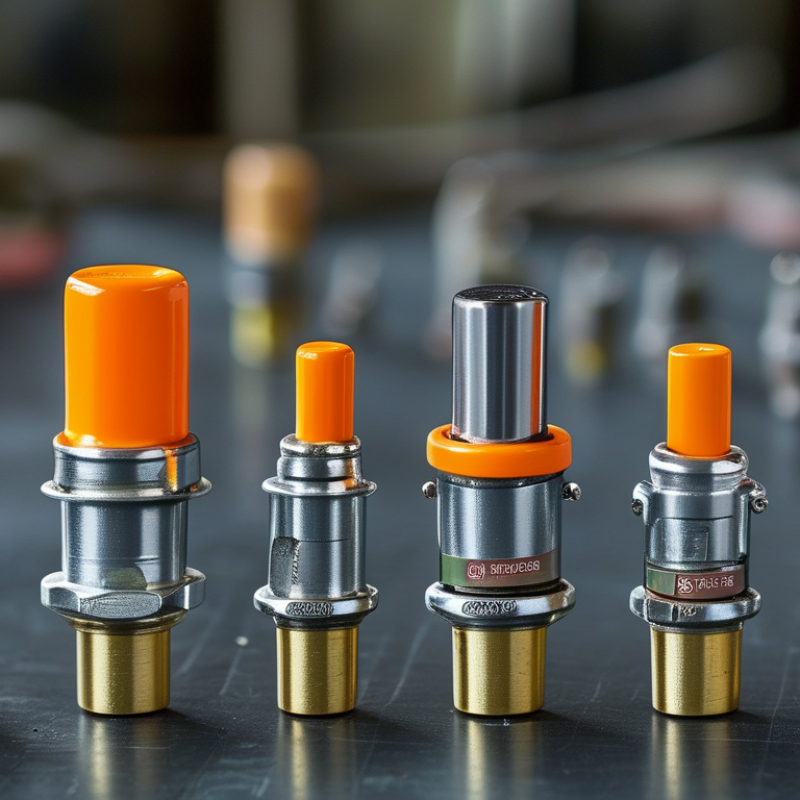
Insulated terminals play a crucial role in ensuring safe and efficient electrical connections. These components prevent accidental short circuits and protect against harmful environmental conditions. Their design often includes a plastic covering that reduces the risk of electrical shock. When selecting insulated terminals, it’s essential to understand the specifications tailored to your specific needs.
Choosing the correct size is vital for effective conductivity. If the terminal is too small, it won't make a secure connection. Conversely, an oversized terminal can lead to loose connections. Consider the wire gauge to ensure proper fit. Material quality also impacts reliability. Look for terminals made of durable materials that can withstand the conditions in which they will be used.
Another important factor is the temperature rating. Terminals must be compatible with environmental temperatures to prevent failure. High temperatures can degrade insulation, while low temperatures can cause brittleness. Additionally, assess the terminal's application. For high-vibration settings, look for terminals that offer sturdy retention. This ensures long-lasting performance and minimizes maintenance needs.
Choosing insulated terminals involves understanding key specifications, particularly voltage ratings and temperature tolerance. Voltage ratings define the maximum voltage a terminal can handle without risking failure. Selecting the right rating is crucial for safe operation in various electrical systems. For example, using a terminal rated for 300 volts in a low-voltage application may seem safe, but any unexpected spikes could lead to overheating or failure. Higher ratings usually mean better insulation but can also add to costs.
Temperature tolerance is equally important. Each terminal can withstand a specific temperature range. Operating beyond this range can lead to melting or insulation breakdown. Consider the environment where the terminals will be used. If the terminals are exposed to high heat, a higher temperature tolerance should be prioritized. It's essential to reflect on potential factors like heat buildup and ambient temperature.
When selecting insulated terminals, always consult relevant specifications and certifications. Review industry standards and guidelines to ensure reliability. Seek advice from experienced professionals when uncertain. This thoughtful approach can help prevent costly mistakes and ensure safe and effective electrical connections.
Choosing the right gauge for wire size compatibility with insulated terminals is crucial. Wire gauge affects the terminal's performance and reliability. According to the American Wire Gauge (AWG) standard, a thicker wire (lower gauge number) can handle more current. For example, a 10 AWG wire can carry up to 30 amps, whereas a 20 AWG wire is limited to just 3 amps. This difference can affect the efficiency and safety of your electrical connections.
When selecting insulated terminals, consider the wire insulation type as well. Thermoplastic and PVC insulations have different temperature ratings and flexibility. Using the wrong combination may lead to insulation failure. A report by the Institute of Electrical and Electronics Engineers (IEEE) highlights the importance of matching wire insulation to application requirements. Failure to do so can cause heat buildup or electrical shorts.
Moreover, compatibility is not always straightforward. Many users overlook the terminal's rating for various wire sizes. An improperly sized terminal can result in poor connections. A study from the Electrical Safety Foundation International indicates that improper sizing contributes to nearly 30% of electrical failures. Always refer to the manufacturer's specifications and, if possible, conduct tests to ensure a reliable connection. Balancing these factors can enhance both performance and safety in your electrical systems.
When selecting insulated terminals, the choice of material significantly impacts performance and reliability. Copper insulated terminals are renowned for their superior conductivity. According to the Electrical Engineering Handbook, copper offers a conductivity of 59.6 x 10⁶ S/m. This property makes copper terminals an ideal option for applications that demand efficient power transfer. They also provide better resistance to corrosion, which improves longevity.
In contrast, aluminum insulated terminals are gaining traction due to their lighter weight and lower cost. A study by the Institute of Electrical and Electronics Engineers indicates that aluminum terminals weigh about half as much as their copper counterparts. This can be a crucial factor in applications where weight reduction is essential, such as in the automotive or aerospace industries. However, aluminum has higher resistance, which may lead to increased energy losses over time.
Users must also consider environmental conditions while choosing between these materials. In moist environments, copper’s corrosion resistance gives it an edge. In these scenarios, aluminum may require additional coatings to enhance durability. Balancing conductivity, weight, and environment is key to making an informed decision for your specific needs. It’s a complex choice, but understanding these nuances can lead to better performance in long-term applications.
When selecting insulated terminals, it’s essential to evaluate certifications and compliance standards. These indicators reflect a product's environmental impact. Look for terminals that comply with recognized standards. These may include RoHS or REACH. Such certifications ensure that harmful substances are minimized. This is vital for protecting both the environment and human health.
Consider the production process of the terminals. Some manufacturing methods may promote pollution or waste. It's worth researching supplier practices. An environmentally friendly supplier takes steps to reduce their footprint. The use of recycled materials in production can also signal a strong commitment to sustainability.
Not all products are transparently labeled. Some may boast certifications without rigorous audits. It’s important to question these claims. Also, evaluate your specific needs. Not every insulated terminal will meet the highest standards. Careful selection with a focus on compliance will lead to better choices for both performance and the planet.
Hein Minnie
Cell nr: +27 (0) 82 564 6501
Email: sale@thecirclemachine.com
Hein Minnie Jnr
Cell nr: +27 (0) 84 284 7234
Email: sale@thecirclemachine.com
Address:
10 Apsey Street,
Heidelberg,
Gauteng,
1441
Bendet Engineering Services (PTY) LTD was established in 1987. Our team of engineers and draughtsman are ready to deliver a complete turnkey solution, from the design phase to commissioning. A dedicated team that consists of electrical, mechanical and industrial engineers, we are able to offer a comprehensive service to our clients.