7 Tips for Choosing the Best Jump Box for Global Buyers?
Choosing the right Jump Box is more difficult than comparing peak-amp numbers. Global buyers face different climates, vehicle types, plug standards, shipping conditions, and service expectations. A device that starts a compact car in Spain may struggle with a diesel truck in Canada. Cold mornings expose weak batteries quickly. Humidity can also damage poorly sealed equipment.
Richard Reina, an automotive technical expert, offers a practical reminder: “The best jump starter is the one you can operate correctly under pressure.” That advice matters. Buyers should examine starting current, battery capacity, cable length, clamp quality, reverse-polarity protection, and recharge time. Safety features are not decorative. They can prevent sparks, incorrect connections, and avoidable vehicle damage. Certification marks and clear instructions also deserve attention, especially when products cross borders.
The seven tips ahead focus on real purchasing decisions. They consider passenger cars, commercial vehicles, workshops, and emergency kits. They also examine warranty coverage, replacement support, language options, and storage performance. Do not trust one impressive specification. Some ratings use short testing conditions. Others may not reflect cold-weather performance. This is where buyers must think carefully. A smaller Jump Box can be easier to carry, yet it may offer less reserve power. A larger model may appear stronger, but its weight can discourage regular charging and transport. That is an overlooked weakness. Careful selection means matching the device to the vehicle, climate, user skill, and maintenance routine, not simply choosing the biggest number.
Understanding What a Jump Box Is and How It Works
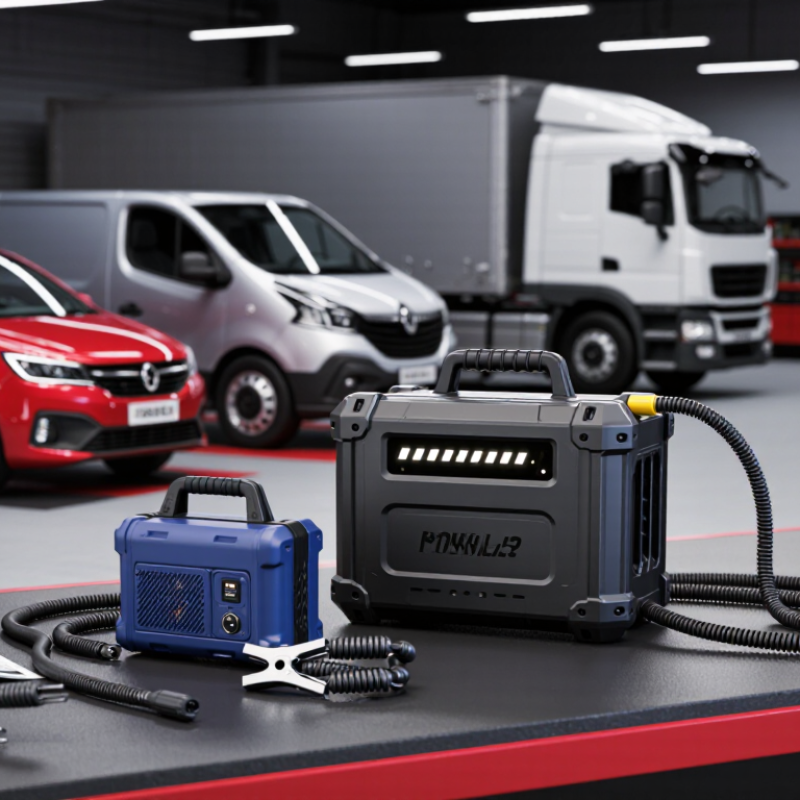
A jump box is a portable battery unit designed to start a vehicle with a weak or flat battery. It sends high-current power through two clamps connected to the battery terminals. The positive clamp connects to the positive terminal, while the negative clamp connects to a suitable ground point. Many modern units include reverse-polarity protection, short-circuit protection, USB ports, and a small work light. The process is simple, but careless connections can still cause sparks or damage.
Tip 1: Check cranking amps, not only peak amps. Cranking power reflects starting performance more realistically. Match the unit with your vehicle’s engine size and battery type. Diesel engines may require more power. Cold weather also reduces battery performance. I learned this after a compact unit struggled during a freezing morning. The advertised number was not the whole story.
Tip 2: Examine safety features and instructions. Clear indicators, insulated clamps, overload protection, and automatic shutoff improve practical reliability. Tip 3: Consider global use conditions. Choose a model with a suitable charging input, durable housing, and a battery capacity that fits local transport requirements. Lithium units are light, but extreme heat can shorten their service life. Store the jump box charged, yet do not leave it in a hot vehicle for months. That habit is easy to overlook. Check testing marks and warranty terms from the seller, because documentation can vary between markets.
Matching Battery Capacity to Your Vehicle and Usage Needs
A jump box should match the vehicle’s starting demand, not just its advertised peak current. The ADAC Pannenstatistik 2023 recorded about 3.4 million breakdowns in Germany, with starter-battery failures causing 43.2%. That figure shows why capacity matters during real roadside use. Check the vehicle manual for required cold-cranking amps, then choose a unit with a clear safety margin. Engine size helps, but it is not the whole answer.
A small gasoline car may work well with a 600–1,000-amp jump box. Larger engines and diesel vehicles usually need stronger starting output, especially below freezing. Capacity in watt-hours or amp-hours affects how many attempts the unit can support. Peak amps only describe short bursts. They do not guarantee repeated starts. More capacity is not always better. A heavy unit may remain in the trunk, unused, because carrying it is inconvenient.
Climate changes the decision. Cold temperatures reduce battery performance, while heat accelerates battery aging. Global buyers should also verify 12-volt compatibility, connector quality, recharge time, and certified protection against reverse polarity. For electric vehicles, a jump box generally supports the auxiliary 12-volt system, not the traction battery. Read the vehicle instructions carefully. One practical mistake remains common: choosing by a large number on the package instead of the vehicle’s actual starting specification. Industry testing and personal inspection should confirm both.
Checking Safety Features, Power Ratings, and Starting Performance
Tip 1: Check safety features before comparing power numbers. A reliable jump box should include reverse-polarity protection, short-circuit control, overheat protection, and overload protection. Clear warning lights also help during stressful roadside use. Look for insulated clamps, thick cables, and a secure connection. Small details matter.
Tip 2: Read the power ratings carefully. Peak current can look impressive, but cranking current often gives a more useful performance reference. Match the unit with your vehicle’s engine size and battery type. A diesel engine may require more starting power, especially in cold weather. I have found that bigger ratings do not always guarantee better results. Cable quality and battery condition can change the outcome.
Tip 3: Test starting performance in realistic conditions. A good jump box should deliver steady power without repeated resets. Check how many starting attempts it supports and how quickly it recharges. Cold-weather performance deserves attention from global buyers. Storage temperature also matters. Some specifications seem vague, so ask the supplier for test conditions and supporting documents. That step can prevent expensive assumptions. A compact model may be convenient, but a heavier unit can offer stronger clamps and more stable output. Reliability is not always obvious from the product label.
7 Tips for Choosing the Best Jump Box for Global Buyers
Compare jump boxes by output rating, recommended engine capacity, and practical starting performance. Peak-current figures are commonly used for product comparison but are not standardized across manufacturers, so buyers should also check cold-cranking performance, reverse-polarity protection, short-circuit protection, operating temperature, cable quality, and independent test results.