10 Best Cement Plant Manufacturers Worldwide?
Choosing the 10 Best Cement Plant Manufacturers Worldwide requires more than comparing production capacity or company size. A dependable Cement Plant must perform under heat, dust, vibration, and demanding delivery schedules. Its rotary kiln, clinker cooler, grinding systems, and pollution-control equipment must work together consistently.
MIT concrete sustainability researcher Jeremy Gregory has stated, “Concrete is the most widely used material on Earth.” That reality makes plant selection an important industrial decision. Manufacturers influence energy consumption, product quality, maintenance costs, and environmental performance for decades.
This overview examines global manufacturers through practical criteria. These include engineering experience, kiln technology, automation, fuel efficiency, emissions management, spare-parts support, and completed project references. A strong supplier should also understand local limestone chemistry and climate conditions. Details matter. A poorly matched mill can create unstable fineness, higher power use, and frustrating downtime.
No ranking is perfect. Market data changes. Project results can differ between regions. Some manufacturers excel at complete turnkey plants, while others perform better in upgrades or specialized grinding lines. That distinction deserves attention.
The companies discussed here represent recognized industry capabilities, not guaranteed results for every buyer. Independent technical audits remain essential before signing a contract. Buyers should verify performance records, service response times, warranty terms, and lifecycle costs. A modern Cement Plant is not judged by impressive brochures alone. It must produce reliable clinker at the site, year after year. That is the real test.
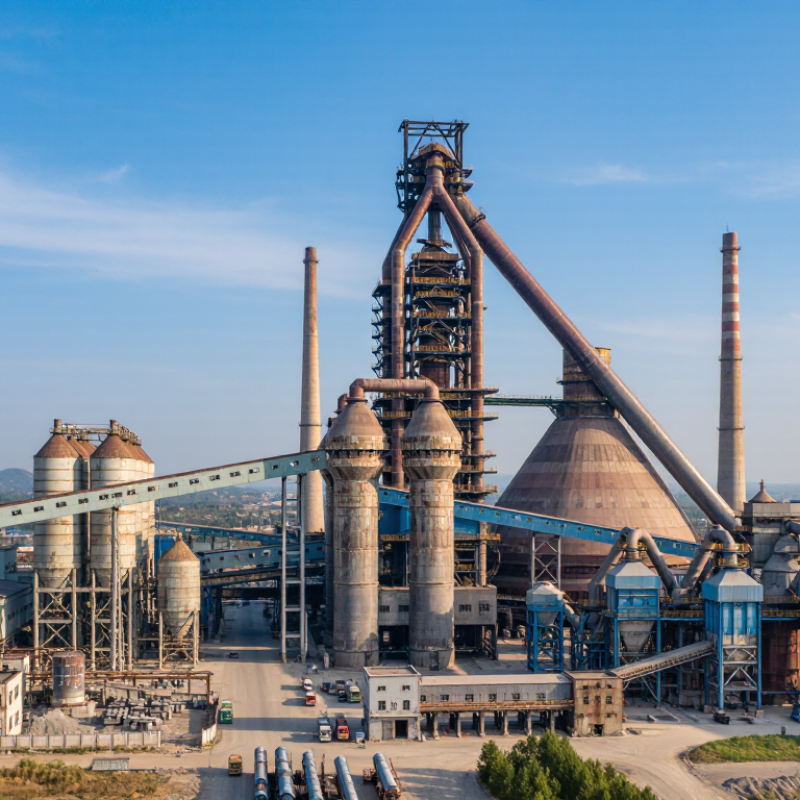
Global Cement Plant Manufacturers: Industry Scope and Evaluation Criteria
10 Best Cement Plant Manufacturers Worldwide?
Global Cement Plant Manufacturers: Industry Scope and Evaluation Criteria
A global cement plant manufacturer is judged by more than equipment size or production capacity. The industry covers quarry planning, crushing, raw material grinding, pyroprocessing, cement milling, packing, automation, and maintenance support. Experienced buyers also examine fuel flexibility, electrical demand, spare-part availability, and local service coverage.
A practical top-ten evaluation should use transparent criteria. Engineering competence matters first: Can the supplier design a stable line for local limestone, climate, and grid conditions? Proven plant performance matters too. Review kiln availability, thermal consumption, dust-control results, and product quality over several operating years. Site visits and verified operating data are stronger evidence than polished brochures.
Reliability is measurable.
Technical documents should identify guarantees, testing methods, and exclusions. Assess commissioning experience, operator training, cybersecurity controls, and response times for critical failures. Financial strength also matters because a cement plant may operate for decades. Yet no scorecard is perfect. Public data can be incomplete, and a low-cost proposal may hide higher maintenance needs. I would compare at least three references with similar capacity before ranking any manufacturer. Local regulations, transport limits, and workforce skills can change the final decision. This makes a global list useful for research, but insufficient for procurement without independent technical review.
Leading Cement Plant Manufacturers and Their Core Technologies
Choosing among the 10 best cement plant manufacturers worldwide requires more than comparing production capacity. Leading suppliers combine process engineering, field experience, and dependable after-sales support. Their work usually covers crushing, raw material grinding, pyroprocessing, clinker cooling, cement grinding, and packing. Each stage must operate as one controlled system.
Core technology often begins with vertical roller mills, which reduce energy use and floor space. Precalciner kilns support stable heat transfer and lower fuel demand. Modern plants also use high-efficiency separators, waste heat recovery, and automated quality control.
Sensors can track kiln temperature, vibration, pressure, and material flow in real time. These details matter during night shifts, when small deviations can become costly stoppages.
A reliable manufacturer should provide tested equipment, clear maintenance procedures, and practical operator training. I have seen projects perform well on paper but struggle because spare parts arrived late or interfaces were poorly documented. That weakness deserves attention. Local climate, limestone quality, grid stability, and workforce skills also influence plant design. Dust filtration, noise control, and emissions monitoring should be engineered from the beginning, not added after installation. Strong suppliers explain these trade-offs openly and support performance testing under actual operating conditions. A carefully designed control room, clean access around conveyors, and simple inspection points can improve daily safety and productivity.
Regional Strengths of the Top Cement Plant Suppliers
Regional Strengths of the Top Cement Plant Suppliers
The leading cement plant manufacturers differ more by regional expertise than by equipment catalogs. Suppliers in East Asia often excel in automated kilns, compact layouts, and high-volume production lines. Their plants may include online vibration monitoring, robotic packing, and heat-resistant refractory systems. These details matter where skilled maintenance labor is limited.
European suppliers are widely respected for process control, energy efficiency, and emissions management. Their engineers commonly integrate waste-heat recovery, advanced filtration, and low-temperature grinding systems. These solutions can reduce fuel consumption, but they often require higher capital investment. A careful feasibility study is essential. Proven technology still needs local adaptation.
Manufacturers serving India and Southeast Asia frequently offer flexible engineering and competitive project costs. They often combine imported core equipment with locally sourced steel, conveyors, and civil works. This approach can shorten delivery times and support regional maintenance teams. Suppliers experienced in the Middle East and Africa usually focus on durable designs, dust protection, and reliable spare-parts access. Remote sites need simple controls and strong field service.
Site conditions change everything. Limestone hardness, humidity, grid stability, and port access can reshape the final plant design. A low quotation may hide expensive logistics or limited technical support. That deserves scrutiny. Even experienced suppliers can underestimate commissioning delays during harsh weather or rapid construction. Independent performance testing, transparent references, and clear warranty terms help buyers compare proposals with greater confidence.
How Cement Plant Manufacturers Compare on Efficiency and Sustainability
Choosing among the 10 best cement plant manufacturers worldwide requires more than comparing production capacity. Efficiency depends on kiln design, heat recovery, grinding systems, and maintenance support. A modern plant can reduce fuel use when sensors adjust combustion within seconds. Small gains matter across millions of tonnes.
Sustainability requires measurable evidence, not attractive claims. Leading manufacturers should provide data on carbon intensity, alternative fuels, water consumption, and dust control. Closed-loop cooling can reduce freshwater demand around mills and clinker lines. Waste heat recovery may convert hot exhaust into useful electricity. The details reveal performance.
Site experience also matters. Engineers who understand local limestone, humidity, and grid instability can prevent costly operating problems. Independent audits, transparent performance guarantees, and documented commissioning results strengthen credibility.
However, even advanced equipment has weaknesses. Complex automation may require skilled technicians, while alternative fuels can create inconsistent kiln conditions. Plant owners should examine training plans, spare-part access, and five-year maintenance records. A quiet control room means little if the maintenance team is constantly repairing failed sensors. Practical reliability often matters as much as impressive efficiency figures.
Selecting the Right Cement Plant Manufacturer for a Project
Selecting the Right Cement Plant Manufacturer for a Project
Choosing a cement plant manufacturer starts with project evidence, not a polished sales presentation. The GCCA estimates that cement and concrete contribute about 7% of global carbon dioxide emissions. Therefore, energy performance deserves early attention. Request verified fuel consumption, heat recovery figures, dust-control results, and clinker quality data from comparable plants.
A reliable manufacturer should match the plant to local limestone, climate, grid stability, labor skills, and transport limits. Ask for a complete mass balance. Check kiln capacity under realistic raw-material conditions, not only ideal laboratory samples. The IEA’s cement-sector analysis highlights efficiency, alternative fuels, clinker substitution, and carbon capture as essential decarbonization measures. These options should appear in the engineering design, not as vague future upgrades.
Site references matter more than impressive brochures. Speak with operators who manage similar kilns and maintenance schedules. Review commissioning records, spare-parts availability, control-system training, and response times. Demand clear performance guarantees for output, power use, emissions, and product quality. A low purchase price can become expensive through unstable operation and long shutdowns. It happens. Independent technical review is also worthwhile, although smaller projects often skip it. That shortcut may weaken procurement decisions. A manufacturer with transparent calculations, local support, and documented operating results is usually the safer choice.