






Choosing a conveyor supplier is rarely a simple price comparison. A reliable system must match product weight, belt width, speed, layout, and working conditions. This guide examines China’s top 10 conveyor systems manufacturers from a practical purchasing perspective. It focuses on equipment quality, engineering capability, customization, delivery performance, and after-sales support.
Details matter. A food processor may need stainless steel frames, smooth welds, and washdown-friendly components. A warehouse may prioritize powered rollers, barcode integration, and quiet operation. Heavy industries often require reinforced structures, accurate load calculations, and dust-resistant drives. The selected manufacturers are assessed through product ranges, technical documentation, factory experience, certifications, customer references, and service coverage. A strong website helps, but it proves little alone.
Real purchasing decisions need deeper questions. Can the supplier provide layout drawings, load data, spare-part lists, and installation guidance? How quickly can a replacement motor or belt arrive? Are testing records available before shipment? These points often separate a dependable partner from an attractive quotation. No ranking is perfect. Manufacturing capacity, pricing, and service quality can change between projects. Buyers should verify current information directly and request samples, video inspections, or independent factory audits when practical. Small oversights can become expensive downtime. This article offers a structured starting point, not a substitute for technical validation.
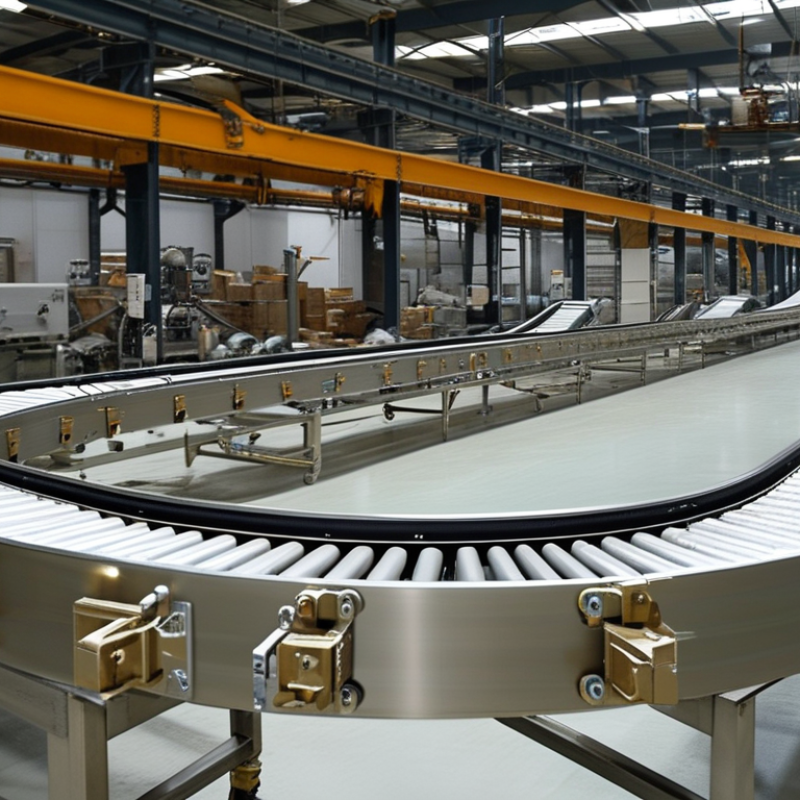
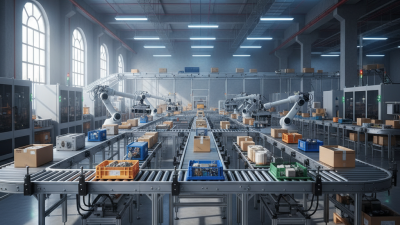
Conveyor systems move products through a facility with less manual carrying. They may use belts, rollers, chains, or flexible modules. Each design suits different loads, speeds, and working conditions. A belt conveyor can carry cartons across a packing area. Roller systems often handle boxes with flat bases. Small details matter. Motor size, frame height, belt texture, and emergency stops affect daily performance.
Chinese manufacturers matter because they combine broad production capacity with practical customization. Many suppliers can adjust conveyor length, width, sensors, guarding, and control panels for a specific factory layout. Their manufacturing networks also support motors, steel frames, electronics, and spare parts. This can shorten procurement time and control project costs. However, low price alone is not reliable evidence of quality. Buyers should review material certificates, load tests, wiring standards, factory records, and after-sales procedures. Remote communication can hide important differences.
In factory visits and equipment reviews, I have found that installation planning is often underestimated. A conveyor may fit on paper but block maintenance access in practice. It needs space for cleaning, inspections, and safe operator movement. Chinese manufacturers with engineering experience can provide drawings, trial assemblies, and commissioning support. Still, buyers should confirm every specification in writing. I once focused too heavily on throughput and overlooked noise levels. That mistake showed why performance includes comfort, safety, maintenance, and consistent operation.
| No. | Conveyor System Type | Typical Materials Conveyed | Typical Capacity or Speed | Common Incline Capability | Best-Fit Applications | Main Advantages | Key Buying Checks |
|---|---|---|---|---|---|---|---|
| 1 | Belt Conveyor | Cartons, parcels, bags, packaged goods, bulk materials, aggregates | 0.1–6 m/s; capacity varies widely with belt width, material density, and loading method | Usually up to 18°–20° with a conventional smooth belt; cleats can support steeper angles | Warehousing, logistics, mining, food processing, cement, ports, and general material handling | Versatile, continuous conveying, long-distance capability, and relatively simple maintenance | Belt material, width, tensioning method, drive power, tracking, guarding, and cleaning access |
| 2 | Roller Conveyor | Boxes, totes, pallets, trays, drums, and rigid flat-bottom loads | Common powered speeds are approximately 0.1–1.5 m/s; gravity models depend on load and slope | Generally used horizontally or on a slight controlled decline | Distribution centers, order fulfillment, pallet handling, packaging lines, and assembly areas | Modular design, easy accumulation, good access to loads, and efficient handling of rigid packages | Roller diameter, roller pitch, load weight, frame stiffness, accumulation control, and drive zoning |
| 3 | Chain Conveyor | Pallets, crates, heavy containers, metal parts, and products requiring positive movement | Often approximately 0.05–0.5 m/s, depending on load and chain configuration | Primarily horizontal; incline sections require suitable flights, guides, or product restraints | Automotive production, pallet transfer, heavy-duty manufacturing, and assembly operations | High load capacity, robust construction, and reliable movement of products with uneven bases | Chain type, working load, lubrication, sprocket design, noise level, and protection from pinch points |
| 4 | Screw Conveyor | Powders, granules, sludge, grains, cement, chemicals, and other bulk solids | Commonly selected for low-to-moderate rates, often from a few cubic meters per hour upward | Horizontal conveying is most efficient; inclined operation reduces capacity and increases power demand | Food, agriculture, wastewater treatment, chemical processing, cement, and mineral handling | Enclosed conveying, controlled discharge, compact layout, and suitability for metering or mixing | Screw diameter and pitch, trough or tubular design, material abrasiveness, moisture, and sealing |
| 5 | Slat or Modular Belt Conveyor | Bottles, cans, containers, cartons, packaged food, and products requiring stable support | Frequently operated around 0.1–1.0 m/s, subject to product and layout requirements | Usually horizontal or mildly inclined; cleated modules can support steeper conveying | Beverage filling, food processing, packaging, labeling, and inspection lines | Positive product support, easy cleaning options, flexible layouts, and good handling of irregular shapes | Food-contact compliance, belt material, transfer plates, washdown design, sprockets, and sanitation |
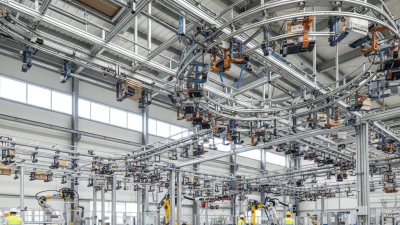
| 6 | Overhead Conveyor | Garments, painted parts, automotive components, tools, and suspended products | Speed commonly ranges from approximately 0.05–0.5 m/s, depending on process requirements | Can negotiate vertical elevation changes when the carrier and track are properly designed | Painting lines, garment handling, automotive plants, storage systems, and surface treatment | Saves floor space, supports process sequencing, and enables transport through multiple elevations | Carrier design, track load, bend radius, lubrication, clearance, noise, and operator safety |
| 7 | Bucket Elevator | Grain, pellets, fertilizer, cement, minerals, and other free-flowing bulk solids | Capacity is commonly specified by mass or volume and depends on bucket size, spacing, and speed | Designed primarily for near-vertical lifting, often over substantial building heights | Grain terminals, feed mills, cement plants, fertilizer facilities, and bulk material storage | Small footprint for vertical transport, enclosed operation, and efficient elevation gain | Bucket material, belt or chain construction, discharge type, boot design, alignment, and inspection access |
| 8 | Pneumatic Conveyor | Powders, pellets, granules, flour, plastic resin, and lightweight bulk products | Air velocities commonly fall within approximately 15–30 m/s, depending on product and system design | Flexible routing allows horizontal and vertical conveying through pipelines | Food, plastics, pharmaceuticals, chemicals, and processes requiring enclosed transfer | Closed conveying path, flexible routing, reduced floor-space demand, and good dust containment potential | Pressure or vacuum mode, air-to-product ratio, filtration, particle degradation, energy use, and grounding |
| 9 | Magnetic Conveyor | Ferrous metal parts, steel chips, stamping scrap, and iron-containing components | Speed and capacity depend on magnet strength, product shape, belt width, and material loading | Inclines are possible when magnetic holding force exceeds the forces acting on the load | Metalworking, machining, stamping, recycling, scrap removal, and parts transfer | Moves ferrous material without direct mechanical gripping and can separate metal from some waste streams | Magnetic field strength, temperature rating, product size, belt wear, chip geometry, and discharge method |
| 10 | Pipe Conveyor | Coal, ore, limestone, gypsum, fertilizer, biomass, and other bulk materials | Capacity is project-specific and depends on pipe diameter, belt width, bulk density, and speed | Suitable for long routes with horizontal, inclined, and curved sections when correctly engineered | Mining, power generation, ports, cement, steel, and environmentally sensitive bulk-handling routes | Enclosed material path, reduced spillage and dust exposure, and the ability to follow complex routes | Route geometry, belt forming, transition lengths, drive arrangement, maintenance access, and loading stability |