Top 10 Powder Coating Line Manufacturers Worldwide
Powder coating has moved from a specialist finish to a standard choice across automotive parts, appliances, metal furniture, and construction products. Grand View Research valued the global powder coatings market at USD 15.8 billion in 2023 and forecast a 5.6% compound annual growth rate from 2024 to 2030. These figures describe coatings, not equipment sales. Still, they point to sustained demand for capable production systems.
A powder coating line is more than a spray booth. It links surface preparation, drying, powder application, curing, cooling, and material handling. A poorly matched conveyor or undersized oven can limit output, even when the coating guns perform well. Buyers should compare automation, line speed, color-change design, oven temperature control, maintenance access, and support after installation. These details shape daily reliability.
Environmental performance also matters. The U.S. Environmental Protection Agency’s Control Techniques Guidelines for Miscellaneous Metal and Plastic Parts Coatings examines coating processes and their emissions considerations. Powder systems can reduce reliance on solvent-based coatings, but energy use, powder recovery, and process control still deserve careful review. No supplier is best for every factory. A compact line for short production runs has different needs from a high-throughput automotive plant. The manufacturers below are considered through their engineering capabilities, project experience, product range, and service reach. Rankings are a starting point, not a substitute for technical checks. A site visit still matters. And published market estimates have limits: definitions and forecast methods can vary between research firms.
What a Powder Coating Line Includes
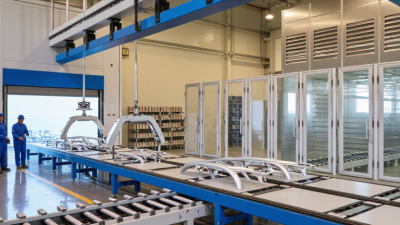
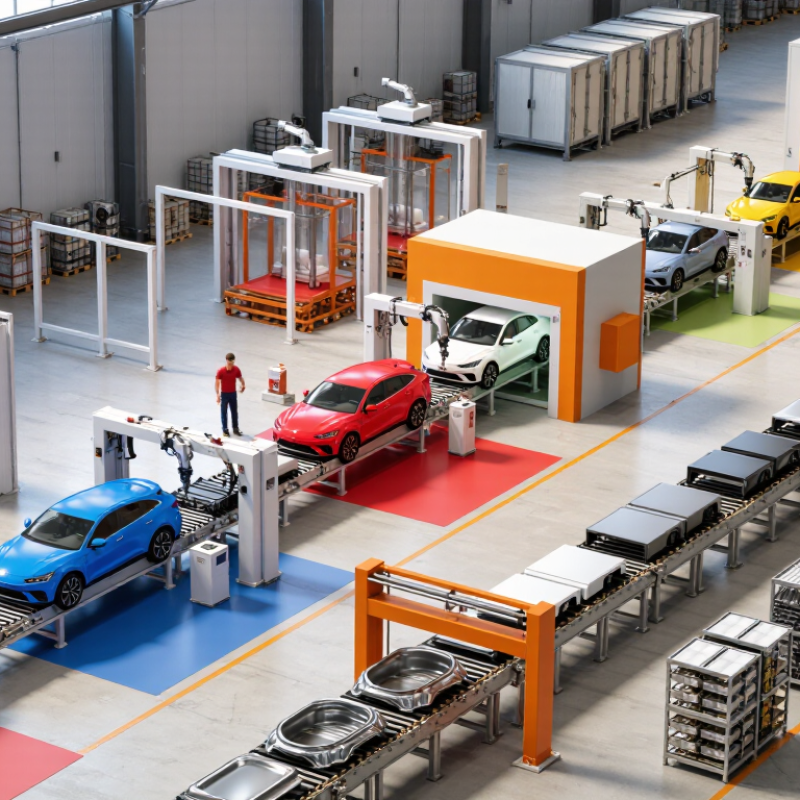
A powder coating line is a connected process, not just a booth and an oven. It typically begins with pretreatment equipment that washes parts and removes oil, dust, or other surface contaminants. Rinse stages follow, then a drying oven removes moisture before coating. Parts move between these stations on an overhead or floor-mounted conveyor. The hooks and contact points matter because they affect both part movement and electrical grounding. The details vary.
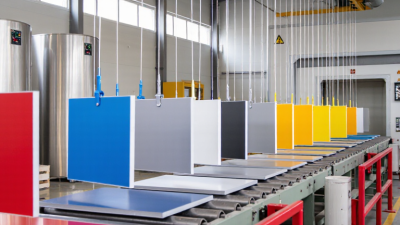
Inside the coating booth, spray guns apply charged powder to grounded parts. Airflow helps contain overspray, while recovery equipment collects usable powder for reuse when appropriate. After application, parts enter a curing oven, where controlled heat melts and bonds the coating. Oven temperature and dwell time depend on the powder and the part; one setting does not suit every job. A control system coordinates conveyor speed, temperatures, airflow, and alarms. Operators also need clear access for cleaning and inspection. A common planning mistake is giving too little thought to changeovers. Color changes, awkward part shapes, and inconsistent loading can make a technically complete line frustrating to run. The layout may need adjustment after real production begins.
A typical powder coating line moves parts through these stations in sequence. The chart shows process order, not equipment performance; layouts vary, and powder recovery is commonly integrated with the application booth.
How Powder Coating Line Manufacturers Are Evaluated
Evaluating powder coating line manufacturers requires more than comparing quoted prices. Grand View Research valued the global powder coatings market at approximately US$13.5 billion in 2022, forecasting 5.5% annual growth through 2030. That expansion makes capacity claims worth checking against real production conditions. Ask how the proposed line handles your part dimensions, color changes, and daily shifts. Request a live demonstration using a representative workpiece. Watch the powder cloud, booth recovery, and cured finish. Small details matter.
Energy and consistency deserve equal scrutiny. The U.S. Department of Energy’s Improving Compressed Air System Performance sourcebook notes that compressed air can account for about 10% of industrial electricity use. Ask manufacturers to measure air demand and disclose oven energy assumptions, not just headline efficiency. Check temperature uniformity across the oven and request coating-thickness readings from several points on a part. Numbers can mislead. A polished sample may not reflect a full shift, while a fast line may create rework. No score is perfect. Compare service response times, spare-parts access, and commissioning support, then record what remains unverified.
Top 10 Powder Coating Line Manufacturers Worldwide
Powder coating line manufacturers worldwide build systems for different production volumes, part sizes, and finish requirements. A useful comparison looks beyond headline capacity. It examines pretreatment stages, oven temperature control, conveyor speed, booth recovery, and support after installation. Small details matter. A poorly placed sensor can create uneven curing across a long batch.
When reviewing a top-ten field, buyers should compare complete line layouts rather than isolated machines. Ask how the supplier handles steel frames, thin panels, or parts with recessed corners. Request energy-use figures, maintenance intervals, and sample test results under realistic conditions. A clean-looking brochure is not enough. Site references and clear commissioning plans offer stronger evidence of practical experience.
Global manufacturers differ in engineering depth, delivery timelines, and local service coverage. Some offer modular lines that suit changing product mixes; others focus on high-volume, repeatable production. The right choice depends on the factory floor, coating material, and available utilities. Even careful rankings have limits: published specifications may not reflect daily operating conditions, and I would treat unusually precise savings claims with caution. A factory visit can reveal what a specification sheet misses.
Key Technologies and Applications Across Leading Manufacturers
Across leading powder-coating line manufacturers, the core technologies are electrostatic spray booths, automated guns, powder recovery, and controlled curing ovens. Electrostatic guns charge fine powder, which adheres to grounded metal parts. Reclaim systems return suitable overspray to the process. Convection ovens suit many parts, while infrared heating can help with short cycles or targeted zones. These lines serve appliance panels, vehicle components, architectural aluminum, and agricultural equipment.
Grand View Research valued the global powder-coatings market at about US$13.2 billion in 2023 and projected 5.3% annual growth from 2024 to 2030. This is a market estimate, not a measure of line performance. Actual results depend on part geometry, powder choice, film thickness, and oven loading. A transfer-efficiency figure can look impressive, yet hide color-change waste or uneven coverage inside corners. That deserves scrutiny.
Tips: Ask for trials using your actual parts and colors. Check film thickness at edges and recesses, then log cure temperature on the workpiece—not just the oven display. Small details matter.
How to Choose a Powder Coating Line Manufacturer
Top 10 Powder Coating Line Manufacturers Worldwide
Choosing a powder coating line manufacturer starts with your parts, not a catalogue. Share the largest and smallest items, expected daily volume, and available floor space. Ask how the proposed oven handles temperature consistency and how conveyor speed affects curing. A few degrees can matter. Request a layout showing loading areas, booth access, and room for maintenance. For example, a tight turn may complicate handling long panels. These details help you judge whether the design fits real production.
Tips: Send sample parts and coating requirements for a process review. Ask for cycle-time assumptions in writing, and check which measurements support them. Visit an operating installation if possible. Watch how operators load parts, clean the booth, and reach filters. Measure twice.
Compare more than the purchase price. Review installation scope, training, spare-parts availability, and expected service response. Ask for references from facilities with similar products and production demands. A polished proposal is useful, but it may leave practical questions unanswered. I would challenge any estimate that does not explain its assumptions. Request a clear list of exclusions before comparing offers. After installation, track defects, energy use, and throughput against the original targets; real operating data can reveal where adjustments are needed.