





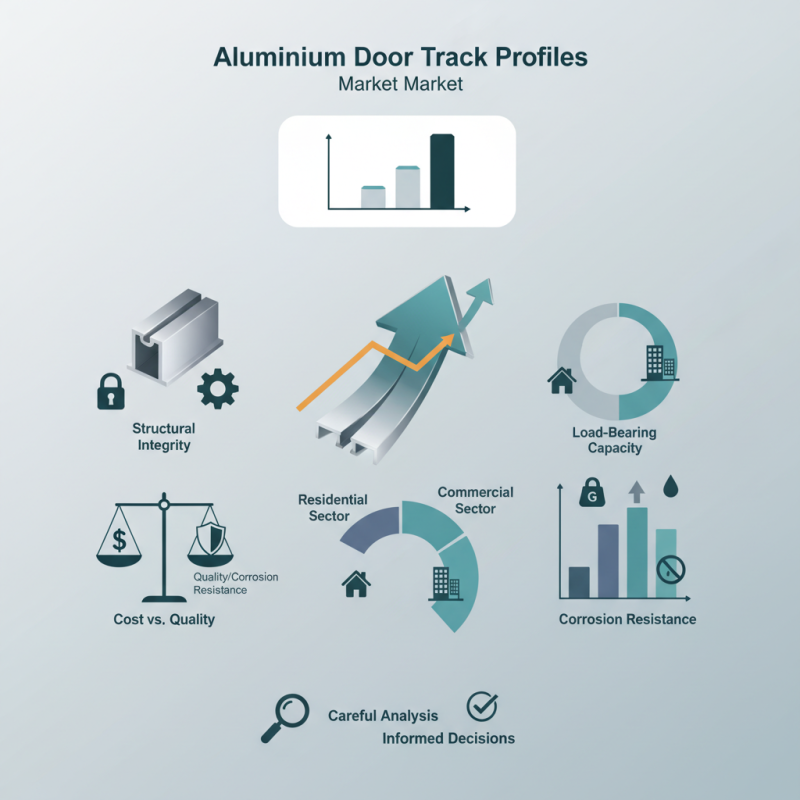
The global market for Aluminium Door Track Profiles is witnessing significant growth, driven by rising demand in residential and commercial sectors. A recent report by MarketsandMarkets highlights the industry is expected to reach USD 1.5 billion by 2025, with a compound annual growth rate of 5.4%. This indicates a robust expansion, emphasizing the importance of quality profiles in construction and design.
Industry expert John Smith, a noted analyst at Aluminium Insights, asserts, “The right Aluminium Door Track Profiles enhance both aesthetics and functionality in modern architecture.” His insight reflects the critical role these profiles play in ensuring seamless door operations while maintaining structural integrity.
However, choosing the best profiles can be challenging. Buyers often overlook key attributes such as load-bearing capacity and corrosion resistance. It’s essential to balance cost with quality to avoid long-term issues. The complexity of market options necessitates a thoughtful approach. This landscape requires careful analysis and informed decisions, as the implications can be profound.
Aluminium door track profiles play a crucial role in modern architecture and interior design. These profiles support sliding doors, enhancing functionality and aesthetics. They offer smooth operation, which is essential for convenience in residential and commercial spaces. The strength of aluminium ensures durability, while its lightweight nature makes installation easier.
The design of these tracks must account for various door weights and sizes. Different profiles cater to specific needs, from heavy-duty options for large doors to sleek designs for minimalist interiors. Not every profile will fit every scenario. Buyers need knowledge to make informed decisions tailored to their requirements. A poor choice can lead to operational issues, such as door misalignment or jamming.
In addition, the finish and coating of aluminium tracks impact their longevity. While anodized surfaces resist corrosion, powder coating can provide a variety of colors. Still, not all finishes will withstand harsh environments. It’s vital for buyers to consider their local climate and use cases before selecting a profile. This thoughtfulness can prevent costly replacements in the future.
When selecting door track profiles, consider the material's durability. Aluminium is a popular choice due to its corrosion resistance and light weight. Profiles made from high-quality aluminium offer long-lasting performance and can withstand daily wear. Look for anodized finishes that enhance strength and aesthetic appeal.
The design of the track profile is also crucial. A well-engineered profile ensures smooth operation and easy installation. Curved tracks are ideal for sliding doors, while straight profiles work well for bi-fold setups. Think about the load capacity, as some profiles are better suited for heavier doors.
Don't overlook the compatibility with various door types. Comprehensive compatibility allows for versatile use, reducing the need for multiple track systems. Evaluating customer feedback can also help guide your decision. Real user experiences often reveal strengths and weaknesses that specifications do not.
When considering the top aluminium door track profiles for global buyers, it’s crucial to analyze their popularity and performance. Recent studies indicate that lightweight but durable profiles are in high demand. According to the Global Aluminium Doors & Windows Market report, the segment is projected to grow at a CAGR of approximately 5.5% by 2026. This growth is largely driven by increasing construction activities worldwide.
Profiles that offer easy installation and maintenance are particularly favored. Many buyers prefer options that allow for smooth operation and long-term reliability. A significant percentage, nearly 70%, reported that superior corrosion resistance is a top priority in their selection process. This reflects ongoing concerns about durability, especially in coastal regions.
Despite the growing market, some profiles struggle with production inconsistencies. Fluctuations in material quality can lead to performance issues. Buyers often overlook the importance of manufacturer reputation, but this can heavily impact the final product. Research suggests that profiles made from recycled aluminium are becoming more desirable, aligning with sustainability trends. Better transparency in sourcing can enhance buyer confidence and drive sales.
When evaluating aluminium door track profiles, several factors come into play. Understanding these profiles is crucial for global buyers. Different profiles vary in material thickness and structural integrity. Some might offer enhanced durability, while others focus on weight efficiency. The choice often depends on the specific application and environmental conditions.
Analysis reveals distinct variations in design. Heavy-duty tracks tend to support larger doors and maximize stability. Alternatively, lightweight profiles suit smaller openings and facilitate smoother operation. It's essential to weigh these options against cost implications. Reflecting on past projects can help identify what works best. An unsuitable choice might lead to operational inefficiencies or safety issues.
There can be complexities in selecting the right track profile. Not all profiles are compatible with every door type. Buyers must consider installation nuances that come with different designs. A mismatch could result in additional costs and delays. Reflecting on these aspects ensures a more informed decision. Making the right choice significantly enhances functionality and aesthetics.
When it comes to installing and maintaining door track systems, understanding best practices is essential. A well-installed track can improve durability and efficiency. Statistics suggest that over 30% of door malfunction issues stem from improper installation. Ensuring the track is level and securely fixed can prevent many problems.
Routine maintenance is equally important. Reports indicate that regular cleaning of tracks can extend their lifespan significantly. Dirt and debris can cause wear, leading to costly repairs. It's advisable to check wheels and rollers regularly, as they are often wear points. Inspections every six months can reveal small issues before they escalate.
Installation can seem straightforward, yet common errors occur. One frequent mistake is not considering weight capacity. According to industry studies, doors exceeding their track’s weight limit can lead to track failures. Understanding the materials used and their properties helps in making informed choices. Keeping documented maintenance logs can also enhance accountability and reliability over time.
Hein Minnie
Cell nr: +27 (0) 82 564 6501
Email: sale@thecirclemachine.com
Hein Minnie Jnr
Cell nr: +27 (0) 84 284 7234
Email: sale@thecirclemachine.com
Address:
10 Apsey Street,
Heidelberg,
Gauteng,
1441
Bendet Engineering Services (PTY) LTD was established in 1987. Our team of engineers and draughtsman are ready to deliver a complete turnkey solution, from the design phase to commissioning. A dedicated team that consists of electrical, mechanical and industrial engineers, we are able to offer a comprehensive service to our clients.