





In the evolving landscape of window design, aluminum profiles play a crucial role. Experts in the industry emphasize the importance of high-quality aluminum profiles for optimal performance and aesthetics. Renowned architect John Smith stated, "The right Aluminum Profiles For Windows can transform a space entirely."
As homeowners seek durable and energy-efficient solutions, understanding aluminum profiles for windows becomes essential. The 2026 market showcases an array of advanced designs, each catering to specific needs. Factors such as thermal performance, customization options, and environmental impact must be considered carefully.
Many buyers find themselves overwhelmed by choices. Not all aluminum profiles offer the same level of reliability or visual appeal. As you navigate this complex field, having clear information can guide you in making informed decisions. Aluminum profiles for windows are not just about functionality; they blend artistry and engineering. This fusion is what makes the selection process both rewarding and challenging.
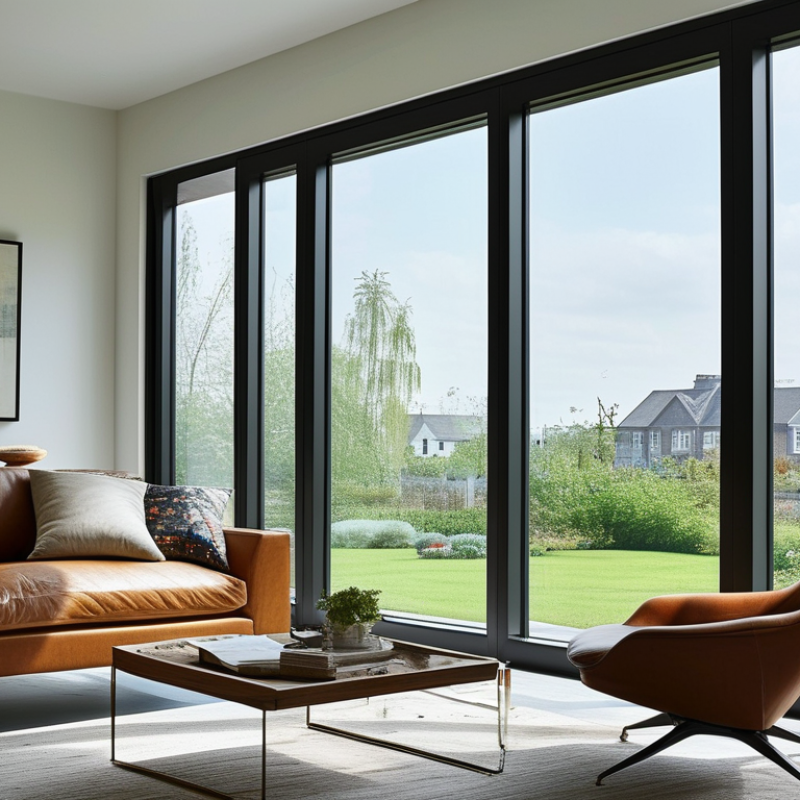
Understanding aluminum profiles for windows is essential for making informed buying decisions. These profiles provide durability and energy efficiency, making them a popular choice. The lightweight nature of aluminum helps reduce installation costs and allows for larger window designs. However, not all aluminum is created equal. Choosing the right alloy and treatment is crucial for long-term performance.
Tip: Always check the thermal insulation properties. Poor insulation can lead to increased energy bills and discomfort in your home. Look for profiles that offer thermal break features, which enhance energy efficiency.
Consider the design flexibility that aluminum profiles provide. They come in various styles, allowing for creativity in architecture. However, these aesthetic advantages may tempt buyers to overlook thermal performance. It’s vital to find a balance between elegance and functionality.
Tip: Don’t rush your decision. Compare different profiles and their specifications. Pay attention to details like corrosion resistance and maintenance requirements to ensure that your investment lasts.
| Profile Type | Thermal Performance | Wind Load Resistance | Moisture Resistance | Recyclability |
|---|---|---|---|---|
| Standard Aluminum | Moderate | Up to 1500 Pa | Good | 100% |
| Thermal Break | High | Up to 2000 Pa | Excellent | 100% |
| Architectural Aluminum | Very High | Up to 3000 Pa | Good | 100% |
| Powder Coated Aluminum | Moderate to High | Up to 1800 Pa | Excellent | 100% |
| Anodized Aluminum | High | Up to 2500 Pa | Excellent | 100% |
When selecting aluminum profiles for windows, buyers face several options. Each type has unique features and benefits. Commonly used profiles include standard, thermal break, and structural variants. Standard profiles are cost-effective for basic window designs. Thermal break profiles enhance energy efficiency by reducing heat transfer. Structural profiles provide added strength, ideal for larger windows.
Tips: Always check the thickness of the aluminum. Thicker profiles can improve durability. Consider the local climate too; profiles suited for hot climates differ from those for cold regions.
Versatile designs exist within these options. Customizable profiles allow aesthetic flexibility. Buyers may struggle with complicated specifications. Understanding the technical data can seem daunting. But investing time to research will yield better results. Look for profiles with excellent corrosion resistance to ensure longevity. Quality details matter, impacting both appearance and performance.
Choosing aluminum profiles for windows is crucial. Quality and design impact your home’s energy efficiency and aesthetics. Consider the profile's thickness and shape. Thicker profiles ensure strength and durability. Think about the finish too. It should withstand weather elements while looking appealing.
Tips: Look for profiles with thermal breaks. These features help reduce heat transfer. A better thermal performance can lead to lower energy costs.
Ensure the aluminum has a protective coating. This can prevent rust and corrosion. A well-protected profile lasts longer. It reduces future replacement costs.
Reflect on your specific needs. Not all aluminum profiles suit every environment. Climate plays a role in your choice. Research local conditions to guide your decision.
Aluminum windows are gaining popularity due to their sustainability and energy efficiency. According to the Aluminum Association, aluminum is one of the most recyclable materials. Recycling aluminum saves up to 95% of the energy required to create new aluminum. A study by the Department of Energy shows that energy-efficient windows can reduce heating and cooling costs by 7% to 15%.
Choosing aluminum windows can contribute to a greener planet. They can have a longer lifecycle compared to other materials. Many manufacturers use thermal breaks in aluminum frames. This helps improve insulation, reducing energy loss. However, not all aluminum profiles are created equal. Some may lack proper thermal insulation, leading to increased energy costs over time.
Tips: Look for windows with a high thermal performance rating. It ensures better energy efficiency. Check for certifications such as ENERGY STAR or NFRC labels. These can indicate quality and expected performance. Ask about the manufacturer's recycling programs. A responsible manufacturer should be transparent about their recycling efforts.
Maintaining aluminum window profiles is crucial for longevity. Research shows that proper care can extend their lifespan by up to 20 years. Routine cleaning is essential. Clean the surfaces with mild soap and water to prevent corrosion. It’s important to avoid abrasive materials that can scratch the finish.
Dealing with dirt and grime is not enough. Additionally, inspect the rubber seals and gaskets regularly. Over time, these components can wear out, leading to air leaks. A study found that 30% of energy loss in buildings is due to compromised window seals. Replacing them early can prevent greater issues.
Beware of excessive moisture around window frames. This can lead to oxidation. In some climates, condensation is a common problem. Applying a protective sealant can help minimize this risk. Furthermore, check for signs of wear or discoloration in the frame. Ignoring these can lead to more significant repair costs. Keeping a proactive maintenance schedule is key to preserving your aluminum windows.
This chart displays the maintenance frequency of different aluminum profiles used for windows in 2026. Regular maintenance is essential to prolong the lifespan of aluminum window profiles and ensure optimal performance.
Hein Minnie
Cell nr: +27 (0) 82 564 6501
Email: sale@thecirclemachine.com
Hein Minnie Jnr
Cell nr: +27 (0) 84 284 7234
Email: sale@thecirclemachine.com
Address:
10 Apsey Street,
Heidelberg,
Gauteng,
1441
Bendet Engineering Services (PTY) LTD was established in 1987. Our team of engineers and draughtsman are ready to deliver a complete turnkey solution, from the design phase to commissioning. A dedicated team that consists of electrical, mechanical and industrial engineers, we are able to offer a comprehensive service to our clients.