


Hydraulic And Construction Castings play a crucial role in modern engineering. These components are essential for many heavy machinery applications. Understanding the types of castings available can greatly enhance project outcomes.
In the world of construction and hydraulic systems, not all castings are created equal. Different materials and manufacturing processes can impact their performance and durability. It’s important to assess your project’s specific needs. This ensures you select the right casting for optimal efficiency.
Exploring the top 10 hydraulic and construction castings can provide valuable insights. Knowledge of these components helps engineers make informed decisions. It also promotes best practices in project management. The right choice can sometimes mean the difference between success and failure.
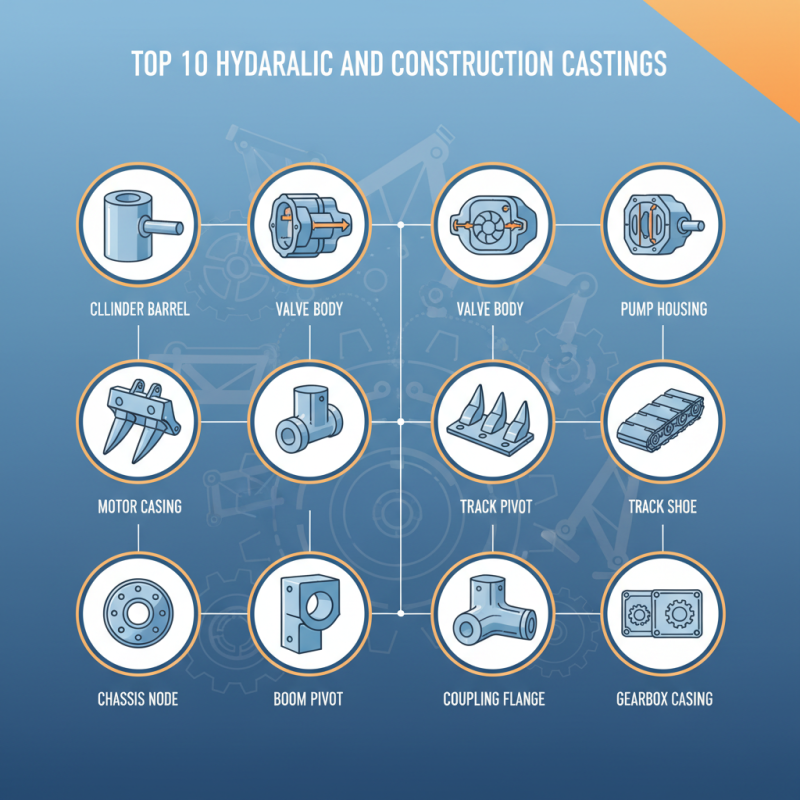
Hydraulic castings play a crucial role in modern construction. They are essential components in machinery that lift and move heavy materials. Understanding these parts can enhance your knowledge of their significance in construction projects.
One of the key advantages of hydraulic castings is their durability. These components must withstand high pressures and demanding environments. However, even the best castings can fail due to improper maintenance or design flaws. It's vital to regularly inspect these parts and ensure they are fitted correctly.
Tips for optimal use include checking hydraulic fluid levels frequently. Keep an eye on any leaks or odd sounds during operation. Remember, proper lubrication can extend the life of hydraulic systems. Investing time in routine checks will pay off in the long run, reducing downtime on your construction site.
Hydraulic and construction castings rely on specific materials for their durability and functionality. The most common materials include cast iron and ductile iron. Cast iron is known for its excellent wear resistance. It's often used in high-stress applications, such as hydraulic housings. Ductile iron offers superior ductility and strength, allowing for more complex shapes.
Another key material is steel, particularly alloy steel. Its strength-to-weight ratio makes it ideal for construction applications. Steel castings can withstand heavy loads and harsh environments. Aluminum alloys are also gaining popularity in the industry. They are lighter and resistant to corrosion, making them suitable for hydraulic components that require precision.
While these materials have advantages, there are challenges too. For instance, casting defects can occur, impacting the performance of the final product. Porosity and shrinkage are common issues that need careful monitoring. Each material presents unique properties that must be balanced with manufacturing considerations. Understanding these materials profoundly helps engineers make informed decisions in casting design.
| Casting Type | Material Used | Common Applications | Key Properties |
|---|---|---|---|
| Gray Iron Castings | Cast Iron | Hydraulic Tanks, Engine Blocks | Good machinability, excellent wear resistance |
| Ductile Iron Castings | Ductile Iron | Valves, Pump Housings | High tensile strength, excellent impact resistance |
| Aluminum Castings | Aluminum Alloy | Aerospace Components, Automotive Parts | Lightweight, corrosion resistance |
| Zinc Die Castings | Zinc Alloy | Electrical Housings, Small Devices | Good dimensional stability, excellent fluidity |
| Steel Castings | Carbon Steel | Construction Equipment, Machinery Parts | High durability, good tensile strength |
| Investment Castings | Various Alloys | Aerospace, Energy | High precision, excellent surface finish |
| Sand Castings | Silica Sand and Metal | General Purpose Parts, Large Components | Versatile, cost-effective |
| Shell Molding Castings | Resin-bonded Sand | Automotive Engine Parts | Fine detail, high productivity |
| Lost Foam Castings | Foam Patterns | Complex Shapes, Automotive Parts | Highly efficient, reduces excess material |
| High-Pressure Die Castings | Aluminum and Magnesium Alloys | Automotive Parts, Electronics | High production rates, excellent surface finish |
Hydraulic and construction castings play a critical role in various industries. Understanding the manufacturing processes behind these components is essential for engineers and manufacturers alike. The primary methods include sand casting, investment casting, and die casting. Each process has unique characteristics suited for different applications.
For example, sand casting is popular for its flexibility. It allows for intricate designs and larger parts. However, the surface finish may be less than perfect, leading to potential quality issues. Investment casting, on the other hand, offers superior dimensional accuracy. This method is ideal for complex geometries but tends to be more expensive. Die casting is efficient for high-volume production, yet it can result in defects if not monitored correctly.
Each casting method has its challenges. Manufacturers must navigate issues like material selection and cooling rates. Failures during production can lead to significant delays. Crafting quality hydraulic and construction parts is not just about machines; it requires skilled labor and continuous improvement. Emphasizing quality assurance at every stage helps mitigate these risks. Therefore, staying informed about these processes is crucial for anyone involved in the industry.
Hydraulic castings play a vital role in modern infrastructure. These components are essential for various applications, especially in construction and heavy machinery. They offer strength, flexibility, and durability, making them ideal for demanding environments. Heavy equipment often relies on hydraulic systems for lifting and moving materials. Without reliable hydraulic castings, these systems could fail, leading to potentially dangerous situations.
In many urban projects, hydraulic castings are integral to safe operations. They are used in cranes, excavators, and bridges. Using robust materials ensures these structures withstand heavy loads and pressures. However, the production of these castings can have flaws. Quality control is essential, as defects can lead to failures. Inspection and testing are crucial steps that can sometimes be overlooked in the manufacturing process. Finding the right balance between cost and quality is a challenge many manufacturers face.
Sustainability is another concern. The production of hydraulic castings may contribute to waste and pollution. Manufacturers need to adopt eco-friendly practices to reduce their environmental impact. Continuous innovation in materials and processes can help mitigate these issues. Understanding the potential pitfalls in manufacturing hydraulic castings can lead to better practices and enhance safety in construction. By acknowledging these challenges, the industry can improve over time.
This chart illustrates the production volume of various hydraulic and construction castings essential for modern infrastructure. The data highlights the demand for equipment such as excavators and cranes, showcasing their significance in the construction industry.
The future of hydraulic and construction casting technologies is changing rapidly. As industries face new challenges, innovations emerge to improve efficiency and sustainability. Advanced materials are now being explored. These materials can enhance strength while reducing weight. For instance, using aluminum alloys in hydraulic components is becoming preferred for better durability.
Tips: Consider staying updated with ongoing research in casting technologies. This can provide insights into new material options that are evolving in the market.
Automation plays a crucial role as well. Robotics and AI are streamlining the casting process. These technologies reduce human error and increase output quality. However, it's essential to reflect on the potential for job displacement within the industry. Training programs can help workers adapt to these changes, ensuring job security.
Tips: Invest in learning opportunities for your team. Keeping skills relevant can provide a competitive edge in the modern workforce.
Environmental concerns are also driving innovation. Sustainable practices in casting can significantly lower carbon footprints. Emphasizing recycling and energy-efficient manufacturing will be critical moving forward. Yet, companies must critically assess their environmental impact and strive for meaningful progress.
Hein Minnie
Cell nr: +27 (0) 82 564 6501
Email: sale@thecirclemachine.com
Hein Minnie Jnr
Cell nr: +27 (0) 84 284 7234
Email: sale@thecirclemachine.com
Address:
10 Apsey Street,
Heidelberg,
Gauteng,
1441
Bendet Engineering Services (PTY) LTD was established in 1987. Our team of engineers and draughtsman are ready to deliver a complete turnkey solution, from the design phase to commissioning. A dedicated team that consists of electrical, mechanical and industrial engineers, we are able to offer a comprehensive service to our clients.