Top Metal Hole Cutter Reviews for 2026 What to Consider?
In the ever-evolving landscape of construction and metalworking, choosing the right Metal Hole Cutter is crucial. According to a recent industry report by Global Market Insights, the demand for high-quality metal cutting tools is projected to grow by 6.5% annually. This surge emphasizes the importance of selecting reliable hole cutters that can enhance precision and efficiency.
Expert Michael Thompson, a leading authority in the metalworking industry, states, "The quality of metal hole cutters directly impacts the overall performance of metal projects." His experience underlines the need for careful consideration when purchasing these tools. Many customers still overlook key features, which can result in frustrations and wasted resources.
Understanding the various factors such as material compatibility, cutter size, and design specifications will lead to better decisions. The market is filled with options, but not all are created equal. A reflective approach is necessary. Consider how each product aligns with your specific requirements to avoid future disappointments.
Key Features to Look for in Metal Hole Cutters
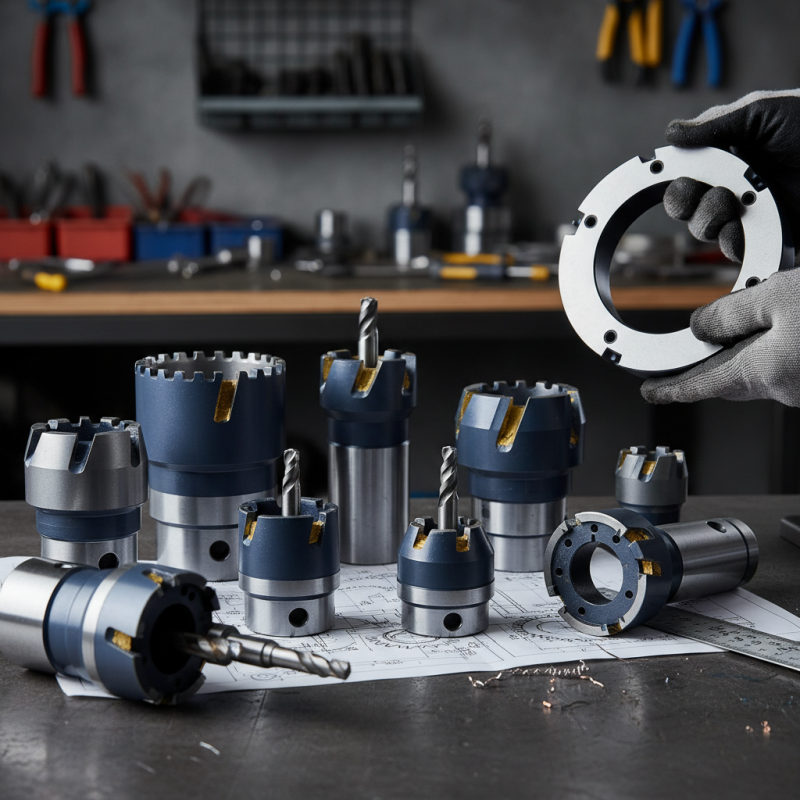
When selecting a metal hole cutter, specific features play a crucial role in ensuring efficiency and effectiveness. One important aspect is the material of the cutter. High-speed steel and carbide-tipped options provide durability. High-speed steel often cuts softer metals well. However, they may dull faster than carbide options. Carbide-tipped cutters are more robust and can handle tougher materials. According to industry reports, carbide-tipped hole cutters can last up to 10 times longer than standard high-speed steel cutters.
Another key feature to consider is the size range of the cutter. Different projects require various hole sizes. A versatile tool with multiple sizes can save time and resources. Look for models with adjustable cutting depths. This feature allows customization for specific tasks. Evidence shows that adjustable tools reduce errors during installation.
Tip: Always check for compatibility with your drilling equipment. Not all systems fit every cutter type.
Also, think about the cutter's design. A smooth cutting edge often leads to cleaner cuts and less material waste. The number of flutes affects the cutting speed and finish quality. More flutes can improve cutting efficiency, yet they may also increase chatter. Evidence from industry experts suggests balancing these elements is essential for optimal performance.
Tip: When in doubt, consult user reviews or guides specific to your project requirements. They often highlight practical challenges and user experiences.
Comparison of Popular Metal Hole Cutter Brands for 2026
When comparing popular metal hole cutter brands for 2026, several factors come into play. Quality, durability, and user reviews stand out as crucial elements. Different materials require different cutter specifications. For steel, a stronger cutter is essential than for softer metals. Look for high-speed steel or carbide-tipped options. These materials offer both sharpness and longevity.
Tips to remember: Always check for user ratings. A product with high ratings reflects real-world performance. Consider the variety of hole sizes available. Some brands offer versatile cutters, saving time and money in the long run. A well-rounded set can make your projects smoother.
Another aspect is ease of use. Some hole cutters can be tricky, especially for beginners. It's important to choose designs that facilitate accurate cuts. Read reviews that mention user experience. This information can be invaluable. Remember that your choice should also align with your skills and requirements. Avoid choosing based solely on price; quality often comes at a premium.
Understanding Different Types of Metal Hole Cutters: A Comprehensive Guide
When selecting a metal hole cutter, understanding the various types is essential. Metal hole cutters are designed for precision. They differ in materials and applications. For example, bi-metal hole cutters are versatile, while carbide-tipped options excel in cutting hard materials. According to industry reports, the bi-metal segment holds a significant market share, making it a popular choice among professionals.
Tips: Always assess your project's specific requirements before selecting a cutter. Consider factors like material thickness and hole size. This ensures optimal performance and efficiency.
Different types of cutters perform variably. Steel hole saws are suitable for soft metals, but they may struggle with harder materials. Plasma-cutting tools can produce quick results, yet they often lead to rough edges. Surveys show that many users experience inconsistent cuts when using the wrong tools. Therefore, personal testing and feedback from experienced users is crucial.
Tips: Experimentation can lead to improved outcomes. Don’t shy away from trying various tools for different tasks. Learn from mistakes and adjust your methods accordingly.
Safety Tips and Best Practices When Using Metal Hole Cutters
When using metal hole cutters, safety should always be a priority. Wearing proper personal protective equipment (PPE) is essential. This includes gloves, safety goggles, and a face shield. These items protect you from flying debris and sharp edges. Ensure your workspace is clean and organized to prevent accidents. This practice may seem basic, but it is often overlooked.
Always familiarize yourself with the tool before use. Read the user manual carefully, even if you have experience. Pay attention to any specific safety warnings related to the tool. Maintain a firm grip on the cutter to avoid slips. A sudden movement can lead to injuries. Also, keep your hands clear of the cutting path. Sometimes, even minor distractions can result in mistakes.
Check your tools regularly for wear and tear. Using a worn cutter can be dangerous and ineffective. Change dull blades promptly. It requires diligence and attention to detail. Make sure to support the material correctly to avoid movement during cutting. Reflect on past experiences; learning from mistakes enhances safety. Stay aware and stay safe.
Maintenance and Care for Prolonging the Life of Your Metal Hole Cutter
Maintaining metal hole cutters is crucial for their longevity. Regular cleaning enhances performance. A report from the Metalworking Industry Association states that properly maintained tools can last up to 30% longer than poorly cared for ones. After each use, remove metal shavings and debris. This prevents rust and corrosion, which can degrade cutting efficiency.
Lubrication is essential. Using the right lubricant reduces friction and heat buildup. Studies indicate that tools with proper lubrication see a reduction in wear by nearly 50%. However, finding the right balance is key. Over-lubrication can attract dirt, while under-lubrication might lead to premature failure.
Storage is another aspect to consider. Keep your cutters in a dry, temperature-controlled environment. Moisture accelerates degradation. Unfortunately, many users neglect this, leading to avoidable damage. Organize tools to prevent unnecessary contact, which could cause nicks or dulling. Regular maintenance not only saves money but also improves overall efficiency.