





As the demand for efficient production processes grows, the role of Rapid Injection Mold technology becomes critical. According to Dr. Emily Chen, a leading expert in the field, "Rapid Injection Mold solutions are revolutionizing global manufacturing." Her insights underscore the dynamic shift towards speed and precision in mold production.
In today's competitive market, companies seek reliable, quick, and cost-effective molding solutions. Rapid Injection Mold offers the ability to produce complex designs rapidly. This technology reduces lead times significantly, allowing businesses to respond quickly to market changes. However, it's essential to recognize that not all solutions are equal. Variability in quality can be a concern, as some providers may cut corners.
Navigating this evolving landscape requires careful consideration. Buyers must assess suppliers based on experience and past performance. Continuous innovation is vital, yet some companies may lag behind market trends. Striking a balance between speed and quality remains a challenge. By leveraging expert insights, manufacturers can make informed decisions in choosing the right Rapid Injection Mold solutions for their needs.
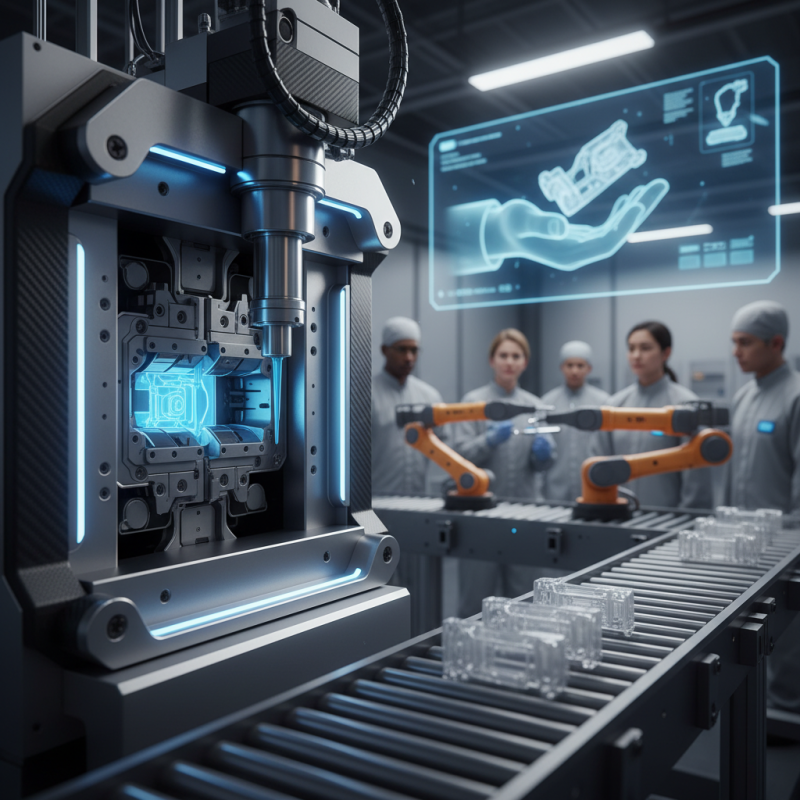
The landscape of rapid injection molding is evolving rapidly. In 2026, buyers should pay attention to several emerging trends. One significant trend is the increasing use of advanced materials. These materials enhance product durability and reduce production costs. Manufacturers are more focused on sustainability, driven by market demand. This creates innovative solutions tailored for eco-friendly designs.
Another notable trend is the integration of smart technology in manufacturing processes. Automation and AI are being utilized to enhance production speed and accuracy. This technological shift allows for agile manufacturing processes. However, the transition isn’t flawless. Companies face challenges in training workforce and integrating new systems. These hurdles can slow down progress.
Investment in training and upskilling employees is crucial. Skilled workers can better adapt to new technologies. As businesses focus on efficiency, the human element remains important. The need for a balanced approach is evident. Change brings opportunities, but also requires reflection on existing practices. Companies must continuously evaluate their strategies to succeed in this competitive market.
The demand for rapid injection mold solutions is on the rise. This growth is driven by several key factors, including the increasing need for faster product development cycles. According to a market report by Mordor Intelligence, the rapid injection molding market is projected to grow at a CAGR of 12.4% by 2026. This reflects the urgency that companies feel to innovate quickly and efficiently.
Another factor fueling this demand is the rise of customized products. As consumers increasingly seek personalized options, manufacturers must adapt. Rapid injection molding provides the flexibility needed to create bespoke solutions without extensive lead times. Furthermore, the push for sustainable practices encourages designs that reduce material waste. A report from Research and Markets estimated that the global sustainable packaging market will reach $800 billion by 2027, showcasing a shift toward eco-friendly solutions.
Tips: Embrace a culture of agility. Incorporate feedback loops with teams involved in product design. Continuously assess production methods to identify inefficiencies. Small changes can lead to significant improvements over time. Collaboration is also essential, as diverse perspectives often spur innovation. Ultimately, understanding the driving forces behind the rapid injection mold solutions will enhance your market positioning.
The global landscape of rapid injection mold suppliers is diversifying. Buyers are faced with numerous options. Each supplier has unique strengths, making the choice challenging. Comparing these suppliers is essential before making a decision.
One key factor to consider is production speed. Some suppliers excel in quick turnaround times. Others prioritize quality over speed. Understanding your project requirements will guide you to the right choice. Cost is another crucial aspect. Pricing can vary significantly among suppliers. Be sure to evaluate the total cost, including shipping and handling.
Tips: Always request samples before finalizing agreements. Test the quality of materials used. Communication is vital throughout the process. Establish clear timelines and expectations with suppliers. Engage with reviews from previous clients to gain insights into their experiences. Reflect on what is most important for your specific needs. Balancing speed, cost, and quality can lead to the best outcome.
The rapid injection molding industry is undergoing significant transformation. Innovations are emerging at a fast pace. New materials and technologies enhance efficiency and reduce costs. According to a recent report by Gartner, the global market for rapid injection molding is expected to grow by 18% annually until 2026. This surge is driven by demand for faster prototyping and production.
Recent advancements include the use of advanced polymers. They offer better durability and flexibility. Many companies are exploring 3D Printing integration with traditional methods. This hybrid approach can drastically cut down production times. Some studies indicate that this method can reduce lead times by nearly 50%. However, challenges remain. Ensuring compatibility between new materials and existing machines can be problematic. There’s a need for better calibration and training.
Increased automation is another key trend. Robotic systems are streamlining processes, but they require initial investments. Manufacturers must weigh long-term benefits against short-term costs. Additionally, quality control processes are becoming more sophisticated. Real-time monitoring helps to catch defects earlier. Yet, adoption rates vary significantly across regions. Many still rely on outdated methods. This inconsistency highlights a gap that needs addressing in the global market.
| Solution Type | Material Used | Lead Time (Days) | Production Capacity (Units) | Cost Estimate (USD) | Technology Innovation |
|---|---|---|---|---|---|
| Rapid Prototyping | ABS | 5 | 500 | 1500 | 3D Printing Integration |
| Low-Volume Production | Polypropylene | 7 | 3000 | 2500 | Automated Injection Molding |
| Precision Molding | Nylon | 10 | 1000 | 4000 | Smart Mold Technology |
| Multi-Material Molding | Rubber & Plastic | 14 | 2000 | 3500 | Hybrid Molding Techniques |
| Short-Run Molding | Polycarbonate | 8 | 1500 | 2000 | On-Demand Tooling |
Sustainability in rapid injection mold manufacturing is crucial for 2026. Industry reports indicate that about 70% of manufacturers are adopting eco-friendly practices. This shift is driven by growing consumer demand for sustainable products and regulatory pressures. Companies are now focusing on reducing waste and energy consumption.
Many manufacturers are optimizing materials. For example, using biodegradable polymers is becoming common. These materials not only reduce the environmental impact but also appeal to eco-conscious consumers. It is worth noting that the lifecycle of the product must be considered. While using sustainable materials is a step forward, the entire production process also needs scrutiny.
Despite these advancements, challenges remain. Some companies struggle with the cost of adopting sustainable practices. The initial investment can be daunting. Additionally, the performance of sustainable materials may not always match traditional ones. Ongoing research is essential to bridge this gap and enhance the reliability of eco-friendly options. As the industry progresses, a balance between sustainability and efficiency will be critical.
Hein Minnie
Cell nr: +27 (0) 82 564 6501
Email: sale@thecirclemachine.com
Hein Minnie Jnr
Cell nr: +27 (0) 84 284 7234
Email: sale@thecirclemachine.com
Address:
10 Apsey Street,
Heidelberg,
Gauteng,
1441
Bendet Engineering Services (PTY) LTD was established in 1987. Our team of engineers and draughtsman are ready to deliver a complete turnkey solution, from the design phase to commissioning. A dedicated team that consists of electrical, mechanical and industrial engineers, we are able to offer a comprehensive service to our clients.