Top 5 Side Wall Conveyor Belt Options for Global Buyers?
In today's fast-paced industrial landscape, selecting the right Side Wall Conveyor Belt is crucial for efficient material handling. These belts maximize space and enhance vertical transportation, making them a favored choice among global buyers. Various options exist, each tailored to different industries and applications. Whether you are in mining, agriculture, or manufacturing, understanding your specific needs is key.
Side Wall Conveyor Belts come with diverse features, including customizable heights and materials. They can support heavy loads while preventing spillage. However, it’s important to remember that not all belts fit every need. Misalignment or incorrect specifications can lead to inefficiencies. This underscores the importance of conducting thorough research and consulting experts.
Choosing the right Side Wall Conveyor Belt can significantly impact productivity. Buyers must weigh durability against cost, as cheaper options may not offer long-term value. Reflecting on these choices ensures a better fit for your operational demands. Familiarity with the market and awareness of the latest innovations are essential for making an informed decision.
Understanding Side Wall Conveyor Belts and Their Applications
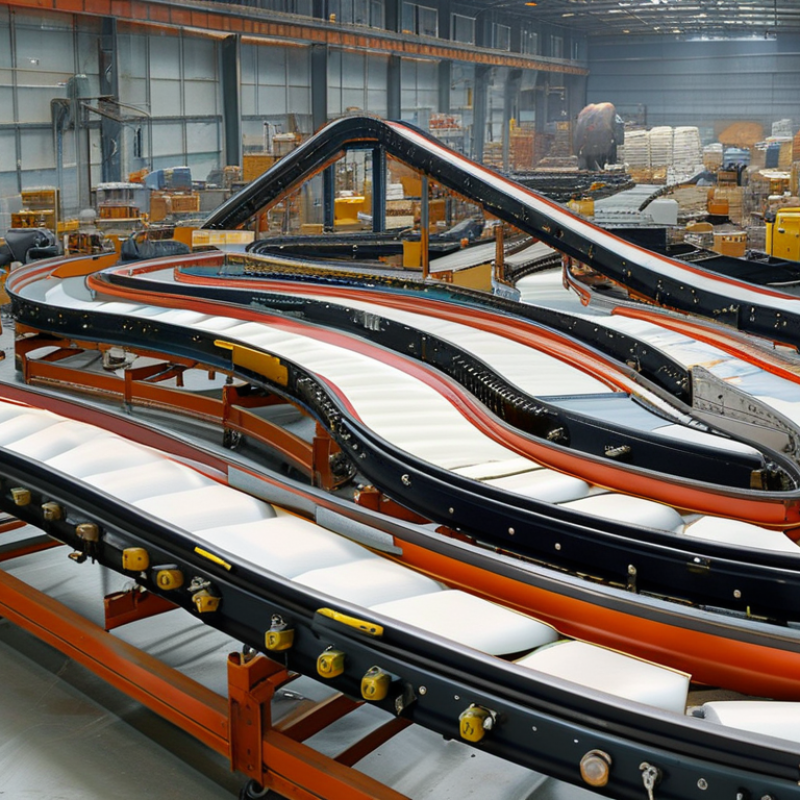
Side wall conveyor belts have gained traction in various industries due to their versatile applications. These belts are designed with vertical walls, allowing for efficient transport of materials at steep angles. According to a recent report by Global Market Insights, the side wall conveyor belt market is expected to reach $3 billion by 2026, reflecting a growing demand for efficient material handling solutions.
These belts are widely used in sectors such as mining, agriculture, and food processing. Their ability to handle bulk materials without spillage is a significant advantage. For instance, in mining, they facilitate the transport of coal and minerals over long distances. In food processing, they ensure sanitary transport of ingredients. However, the complexity of installation and maintenance can be a challenge. Not all industries find these systems easy to integrate.
Tips: Regular inspection is crucial. This can prevent unexpected downtime. Consider adjusting the angle of inclination to optimize performance. Moreover, choosing the right material for the belt is significant to enhance durability. Remember, regular maintenance can extend the life of your conveyor system.
Key Features to Consider When Selecting Side Wall Conveyor Belts
When selecting side wall conveyor belts, several key features are crucial. The belt material significantly impacts durability and flexibility. Reports indicate that 65% of breakdowns result from material fatigue. Look for belts made from high-quality rubber or thermoplastic materials. These options often offer better resistance to wear and tear.
Choosing the right height of the side walls is vital. Common dimensions range from 50mm to 300mm. A height too low can cause spillage, while walls too high may create unnecessary friction. Another important aspect is the cleat design. The cleats should be spaced to hold the materials securely during transport.
**Tip:** Regular maintenance can enhance belt lifespan. Create a schedule to inspect belts every month for wear and alignment issues.
Consider the belt’s load capacity based on your needs. Typical capacities can vary from 500 kg/m to 3000 kg/m. A mismatch can lead to inefficiency and costly downtime. Additionally, ensure compatibility with your existing equipment. Incompatibilities often lead to operational challenges.
**Tip:** Document any performance issues. This information will help improve future selections.
Lastly, vendor reliability can’t be overlooked. Look for manufacturers with a proven track record. Industry studies show that 70% of operational failures stem from subpar belt quality and installation.
Remember, investing time in selecting the right side wall conveyor belt can save significant costs in the long run.
Top 5 Global Brands Offering Side Wall Conveyor Belt Solutions
When it comes to side wall conveyor belts, choosing the right solution is essential for various industries. Several global brands deliver high-quality options, which cater to diverse operational needs. Reports indicate that the global market for conveyor belts is projected to grow significantly. This is driven by the increasing demand for efficient material handling solutions in sectors like mining, agriculture, and manufacturing.
Some market data highlights that the Asia-Pacific region accounts for about 40% of the total conveyor belt usage. Certain brands have made notable strides in this market. They focus on innovation and durability, ensuring that their products can withstand harsh operating conditions. Industry professionals often emphasize the importance of material composition and design in improving performance and longevity.
However, not all solutions fit every industry. Challenges surrounding maintenance and installation frequently arise. Companies need to assess their specific requirements carefully. They should also consider compatibility with existing systems. Being diligent in this process can save time and resources in the long run. Data shows that effective training for staff on handling these solutions can further enhance operational efficiency.
Top 5 Side Wall Conveyor Belt Options for Global Buyers
| Feature | Option 1 | Option 2 | Option 3 | Option 4 | Option 5 |
| Material Type | Rubber | PVC | Polyurethane | Composite | Fabric |
| Belt Width | 100 mm | 150 mm | 200 mm | 250 mm | 300 mm |
| Side Wall Height | 50 mm | 75 mm | 100 mm | 125 mm | 150 mm |
| Temperature Resistance | -20 to 80 °C | -10 to 60 °C | -30 to 90 °C | 0 to 70 °C | -20 to 100 °C |
| Load Capacity | 500 kg/m | 600 kg/m | 700 kg/m | 800 kg/m | 900 kg/m |
| Application | Food Industry | Mining | Packaging | Agricultural | Heavy Industry |
Comparative Analysis of Side Wall Conveyor Belt Materials and Designs
When reviewing side wall conveyor belts, the choice of materials greatly affects performance. Polyethylene and PVC are common thermoplastics used in these belts. Each has its unique properties. For instance, polyethylene is known for its durability and resistance to moisture. In contrast, PVC offers flexibility and is more economical. Understanding these differences helps buyers select the right material for their needs.
Design also plays a critical role in functionality. The angle of incline, the height of the side walls, and the belt's overall width all contribute to its efficiency. A study indicated that side wall height can impact carrying capacity by up to 30%. This means selecting the right design is not merely aesthetic; it can significantly enhance operational performance. However, some designs may require more maintenance, which can lead to higher long-term costs.
It’s important to note that not all materials lend themselves to every application. For example, while rubber provides excellent traction, it may not be suitable for certain industries due to its weight and cost. Buyers must weigh these considerations carefully. Balancing performance with budget constraints can be a challenging task, underscoring the importance of proper analysis before making a decision.
Top 5 Side Wall Conveyor Belt Options for Global Buyers
This chart displays a comparative analysis of five different side wall conveyor belt materials based on their load capacity, flexibility, and durability. The data provides insights into which materials may be more suitable for various industrial applications.
Buying Considerations for International Customers in Conveyor Belt Markets
When considering side wall conveyor belts, international buyers must focus on their unique requirements. Different industries have varying needs, and understanding these can lead to better purchasing decisions. For example, metal and rubber options offer distinct advantages. Metal belts provide strength and durability, ideal for heavy loads. In contrast, rubber belts allow for more flexibility, suitable for delicate items.
It's crucial to evaluate the technical specifications of each conveyor belt. Load capacity, belt width, and angle of inclination are key factors. Buyers should also think about the environmental conditions in which the belts will operate. High temperatures, humidity, and contaminants can impact performance. Always ask for detailed data sheets from potential suppliers.
Another aspect to ponder is the supplier's reputation. Finding a reliable manufacturer or distributor can be a challenge. Researching customer reviews and historical performance can help. Communication with the supplier is essential. Clear discussions about production timelines, maintenance support, and warranty terms can prevent future complications. These reflections can lead to smoother operations and fewer disruptions.